- This topic is empty.
-
AuthorPosts
-
2026-10-23 at 3:23 pm #12403
Choosing an industrial hydraulic press is about more than selecting the right tonnage. For manufacturers involved in metal punching, stamping, forming, and component assembly, the machine must match the production process, tooling requirements, quality standards, and operating conditions. A mismatch can lead to inconsistent parts, unnecessary downtime, higher maintenance costs, and reduced production efficiency.
Hydraulic presses use pressurized fluid to generate force, giving manufacturers flexibility in controlling pressing pressure, stroke, and movement. When the machine is properly configured, it can support a wide range of industrial applications, from general workshop operations to specialized forming processes.
Mingge manufactures hydraulic presses and industrial machinery, including bending, shearing, and punching equipment. If you are evaluating an industrial hydraulic press, the following considerations can help you make a more informed purchasing decision.
1. Start With Your Actual Production Requirements
Before comparing machine models, define the operation the press needs to perform. A machine used for punching sheet metal may require different force characteristics and tooling arrangements from one used for pressing, forming, or assembling components.
Start by gathering basic production information:
-
Material: What metals or other materials will be processed?
-
Workpiece dimensions: What are the maximum thickness, length, width, and shape?
-
Required force: How much pressing force does the process need?
-
Stroke and working height: What movement range and operating space are required?
-
Tooling: What are the mold dimensions and mounting requirements?
-
Production volume: How many parts must be completed per hour or shift?
These details help establish the machine's actual operating requirements.
Rated tonnage is an important starting point, but it should not be the only selection criterion. The machine must provide sufficient force under the required operating conditions, accommodate the workpiece and tooling, and deliver a suitable production cycle.
Providing drawings, samples, and process details to the manufacturer early in the selection process can reduce the risk of purchasing equipment that does not fit the intended application.
2. Evaluate Hydraulic Force Control and Operating Performance
One of the main advantages of hydraulic pressing equipment is the flexibility it can offer in controlling force and movement.
A hydraulic cylinder generates force when pressurized fluid acts on its effective piston area. Depending on the machine design and control system, operators can adjust working pressure, stroke, and speed to suit different production requirements.
This flexibility can be useful in forming operations where the material must deform in a controlled manner. It can also help manufacturers establish repeatable processing conditions when the tooling, workpiece, and operating parameters are properly matched.
However, not all hydraulic presses deliver the same performance. When reviewing specifications, ask the manufacturer about:
-
Rated pressing force and the conditions under which it is available
-
Hydraulic working pressure and system configuration
-
Adjustable stroke and operating speed
-
Pressure-control performance and repeatability
-
Expected cycle time under actual production conditions
-
Hydraulic oil cooling and maintenance requirements
It is also worth discussing how the machine responds to changes in material thickness or processing load. Understanding these details helps determine whether the press can support the required production process consistently.
3. Make Machine Safety a Purchasing Priority
Safety needs to be considered before the machine is installed and put into operation. Hydraulic presses can generate substantial force, so incorrect tooling, poor workpiece positioning, and inadequate protection around moving components can create serious hazards.
When comparing equipment, review the complete safety configuration rather than relying on a single feature.
Depending on the machine and its intended use, relevant safety measures may include hydraulic pressure-relief protection, emergency-stop functions, suitable guarding, presence-sensing devices, and appropriate two-hand controls. Maintenance procedures should also address the safe isolation of hydraulic and electrical energy.
Mingge's described hydraulic punching press configuration includes an overflow protection device and supports two-hand operation buttons. Buyers should confirm which safety features are included in the specific model and whether additional safeguards are required for their application.
A machine's safety system should be evaluated against the applicable requirements in the country where it will be installed. Before purchasing, request information about safety functions, operating modes, maintenance access, and the documentation provided with the equipment.
4. Check Structural Rigidity and Tooling Compatibility
The machine's frame, slide guidance, and worktable influence alignment and stability during operation. If the structure deflects excessively under load or the slide is poorly guided, the result may include uneven tool contact, inconsistent dimensions, or premature mold wear.
Mingge's described hydraulic punching press features a C-frame structure, a standard worktable, and an extended rectangular guide rail with a bronze liner. These structural elements are intended to support slide guidance during operation.
For buyers, the key question is whether the machine's construction suits the actual load and tooling requirements.
Before placing an order, confirm the following:
-
Maximum mold dimensions and mounting interfaces
-
Available worktable area and working height
-
Workpiece positioning requirements
-
Slide guidance and alignment specifications
-
Space needed for loading and unloading parts
-
Compatibility with existing molds and fixtures
If the process requires close dimensional tolerances, ask how accuracy and repeatability are measured and verified. Where possible, arrange a practical test using representative workpieces and tooling instead of relying solely on general product descriptions.
5. Select Automation Options Based on Production Needs
Automation can improve workflow and reduce repetitive manual tasks, but the right configuration depends on production volume, part complexity, and the required level of process control.
A workshop producing multiple part types in small batches may prioritize flexibility and straightforward operation. A high-volume production line may benefit more from programmable settings, automated feeding, electronic position measurement, or integration with upstream and downstream equipment.
Mingge lists several optional configurations for its hydraulic punching press, including:
-
Servo system with a servo motor, driver, vane pump, and related components
-
Electronic displacement scale
-
Light curtain protection device
-
Lower ejection cylinder
-
Side cylinder
-
Electric lubricating oil pump
Each option should address a specific production requirement. For example, an electronic displacement scale can help monitor slide position, while an ejection cylinder may assist with removing parts from the tooling when the process requires it.
A servo-driven hydraulic system may also be worth evaluating when operating efficiency and controllable motion are important. Actual energy savings and cycle-time improvements depend on the machine configuration, duty cycle, and operating conditions, so these benefits should be assessed against realistic production data.
Ask the supplier to explain how optional equipment affects the machine's control logic, maintenance requirements, operating sequence, and integration with existing systems.
6. Look Beyond Purchase Cost: Consider Maintenance and Downtime
The initial purchase price does not fully represent the cost of operating a hydraulic press. Maintenance requirements, spare-part availability, tooling changes, and unplanned downtime can all affect the long-term value of the investment.
A practical evaluation should include the complete production cycle, from loading and positioning to pressing, unloading, and any secondary operations. For automated equipment, consider material feeding and transfer time as well.
Routine hydraulic maintenance typically involves checking oil condition, filters, seals, hoses, valves, lubrication, and any cooling equipment fitted to the system. Inspection intervals should follow the manufacturer's instructions and reflect the machine's workload and environment.
Before purchasing, ask about:
-
Recommended maintenance schedules
-
Availability of replacement parts
-
Technical troubleshooting support
-
Operator training and maintenance documentation
-
Warranty terms and after-sales service
-
Expected production performance under the intended workload
These factors help manufacturers assess whether the machine will remain practical to operate after installation.
7. Choose a Manufacturer That Understands Your Application
A suitable equipment supplier should be able to discuss more than standard machine specifications. For specialized production processes, engineering support and customization capability can be just as important as rated capacity.
Mingge uses 3D design, CAD, and CAPP computer-aided systems in its design and management work, supported by a technical team involved in product development and special-purpose machinery design. This capability may be relevant when a project requires a particular tooling arrangement, machine configuration, or production workflow.
To improve the selection process, prepare a clear technical brief containing workpiece drawings, material specifications, tooling details, target output, and installation constraints. Ask the manufacturer to identify which features are standard, which are optional, and which require customization.
A written technical specification should cover machine capacity, stroke, working height, table dimensions, control functions, safety equipment, electrical requirements, acceptance testing, documentation, and after-sales support.
Where practical, a factory acceptance test using representative materials and tooling can help verify whether the equipment meets the agreed requirements before shipment.
Conclusion
Choosing the right industrial hydraulic press requires a complete assessment of the production process, pressing force, hydraulic performance, machine structure, tooling compatibility, safety, automation, and maintenance needs. Rated tonnage is only one part of the decision.
By defining application requirements early, reviewing technical specifications carefully, and verifying performance through practical testing, manufacturers can reduce purchasing risks and select equipment that better supports consistent production.
For businesses evaluating hydraulic presses or customized pressing machinery, Mingge can be considered as a potential equipment supplier. The most effective purchasing decision is one based on clearly defined production needs, verified machine capabilities, and a realistic understanding of long-term operating requirements.
Clarify the linked product’s exact applicationAdd a stronger buyer-focused conclusion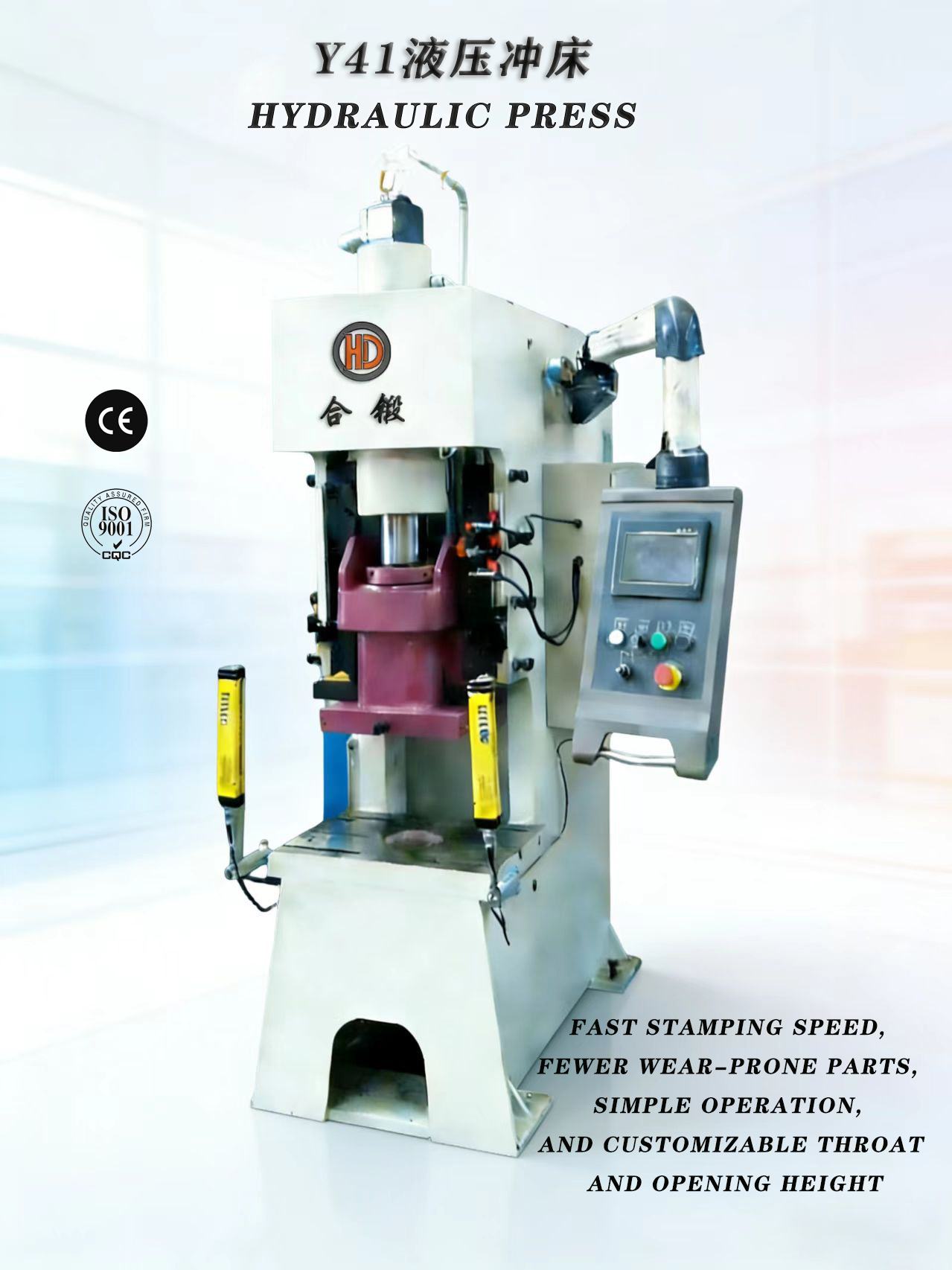
http://www.heduanpress.com
Mingge Electrical and Mechanical Equipment -
-
AuthorPosts

- You must be logged in to reply to this topic.