- This topic is empty.
-
AuthorPosts
-
2026-10-30 at 2:18 pm #12665
Industrial maintenance and equipment installation often involve lifting challenges that cannot be solved with conventional cranes. Narrow access routes, limited headroom, crowded workshops, and restricted operating areas can make it difficult to position heavy components safely. For manufacturers, warehouse operators, and construction contractors, choosing equipment that fits the site while meeting the required lifting conditions is essential.
A mini boom crane can provide a practical option for handling machinery parts, replacing equipment, and carrying out maintenance in confined working environments. However, compact dimensions alone do not determine whether a crane is suitable. Its lifting capacity, working radius, installation conditions, and operating requirements must all be considered.
1. Match the Crane to the Available Workspace
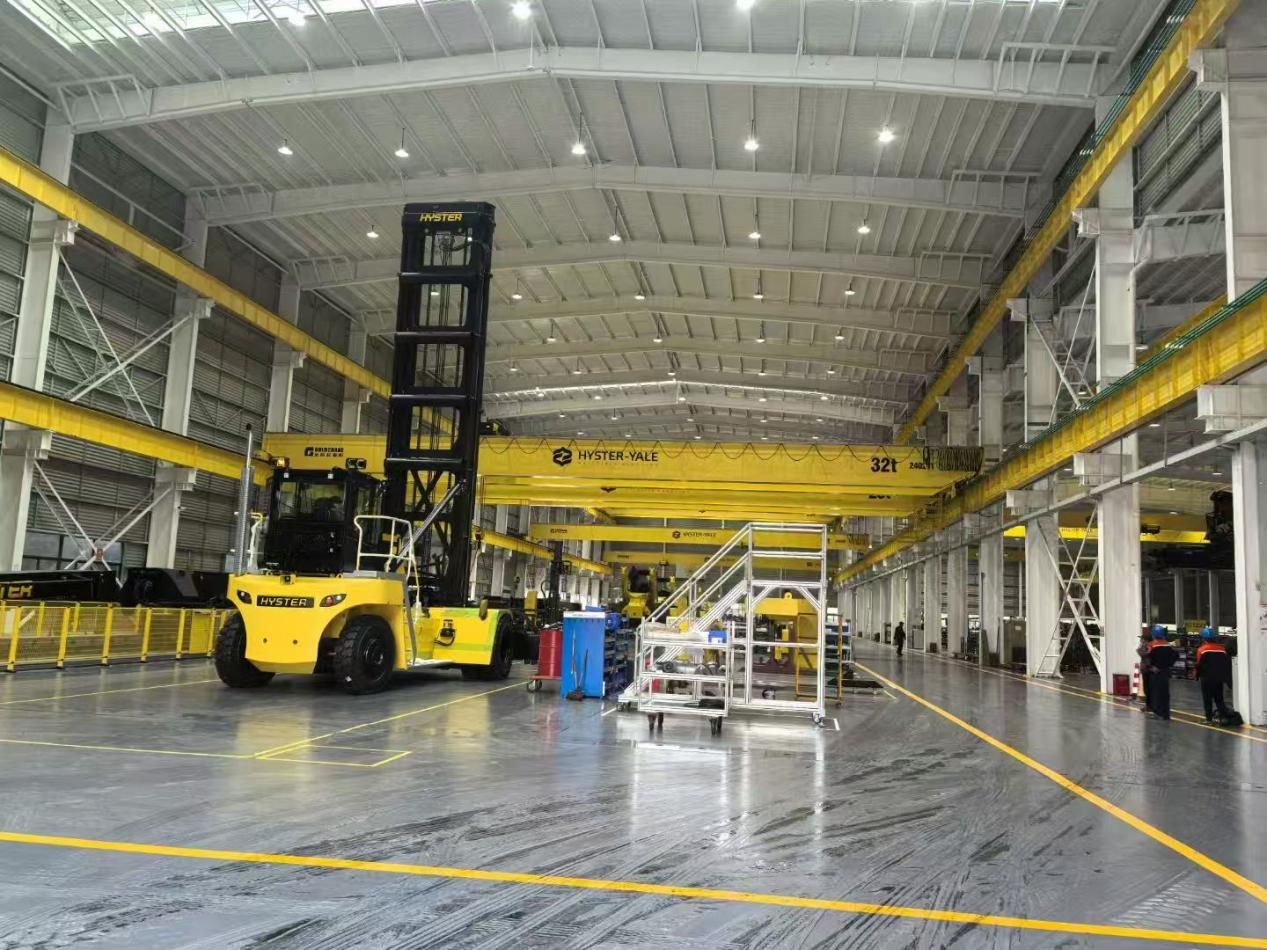
Not every industrial facility has enough space for a conventional overhead crane or large mobile lifting equipment. Installing permanent lifting infrastructure may require structural modifications, while moving larger equipment through narrow aisles or existing buildings can disrupt normal operations.
A compact boom crane may help address these limitations by supporting localized lifting and component positioning. Before selecting a model, businesses should assess doorway dimensions, aisle clearance, ceiling height, surrounding machinery, and the space required for crane setup.
The required lifting height and horizontal reach are equally important. A crane that fits through an entrance may still be unsuitable if its boom cannot reach the intended lifting point. Careful site measurements can prevent equipment selection problems and reduce unnecessary installation work.
2. Understand the Relationship Between Load Capacity and Working Radius
Rated lifting capacity is one of the most important specifications, but it should never be considered independently of working radius.
As the horizontal distance between the crane's center of rotation and the suspended load increases, the permitted lifting capacity generally decreases. This means a crane capable of lifting a certain weight at a short radius may not safely handle the same load when extended farther away.
When evaluating a mini boom crane manufacturer, buyers should provide accurate information about:
-
Maximum and typical load weights.
-
Required horizontal reach and lifting height.
-
Load dimensions and lifting points.
-
Expected lifting frequency.
-
Hooks, slings, and other lifting accessories.
Ground conditions also require attention. Crane support points can generate concentrated loads, so the floor or supporting surface must be suitable for the intended operation. This is particularly important for elevated floors, outdoor paving, and temporary working platforms.
Suppliers such as Goldcrane should be asked to provide applicable load charts, dimensional drawings, and technical specifications to help verify whether the proposed equipment matches the project requirements.
3. Evaluate Operating Costs Beyond the Purchase Price
The financial impact of lifting equipment extends beyond its initial quotation. Transportation, setup, operator training, routine maintenance, spare parts, and potential production interruptions all contribute to the total cost of ownership.
For maintenance departments, suitable compact lifting equipment may simplify access to machinery and reduce repeated manual handling. Construction contractors may also benefit from equipment that can be transported and positioned efficiently, provided that its operating conditions match the jobsite.
However, choosing the smallest available crane does not always produce the best economic result. Applications involving frequent lifting, heavier loads, or extended working radii may require a more substantial lifting system.
A better purchasing decision comes from comparing equipment against actual workload, expected service life, and future operating requirements.
4. Prepare Technical Requirements Before Contacting Suppliers
A clear project specification helps suppliers recommend suitable equipment and reduces the possibility of purchasing a crane that cannot perform the intended task.
Before requesting quotations from mini boom crane suppliers, buyers should establish several key requirements:
-
Load requirements: Maximum weight, load dimensions, lifting points, and accessories.
-
Site conditions: Available space, ground strength, lifting height, and working radius.
-
Operating frequency: Occasional maintenance or repeated daily lifting.
-
Safety requirements: Applicable regulations, inspection procedures, and operator qualifications.
-
Service support: Spare parts availability, technical documentation, warranty, and maintenance guidance.
Providing this information at the beginning of the purchasing process makes technical comparisons more meaningful and helps avoid misunderstandings during equipment configuration.
Goldcrane can be included in the supplier evaluation process. Buyers should confirm available models, operating limitations, technical specifications, and after-sales arrangements directly before making a purchasing decision.
5. Maintain Safe Operation Through Inspection and Maintenance
Even compact lifting equipment can create serious hazards when operated incorrectly. Safe performance depends on suitable equipment selection, trained operators, and consistent inspection procedures.
Before each lifting operation, personnel should verify the load weight, inspect hooks and lifting accessories, check the equipment's condition, and ensure that the movement path is clear. Loads must remain within the manufacturer's specified operating limits.
Side pulling, unstable support conditions, sudden loading, and unauthorized equipment modifications should be avoided. Regular maintenance should also cover structural components, ropes, hooks, hydraulic systems where applicable, braking devices, and safety controls.
A documented inspection and maintenance schedule can help identify potential problems early, reduce unexpected downtime, and improve operational reliability.
Conclusion
For industrial facilities with restricted access and limited working space, a mini boom crane may offer a practical solution for machinery installation, equipment maintenance, and selected lifting applications.
The right equipment should be chosen according to actual load requirements, working radius, site conditions, operating frequency, and maintenance needs rather than compact size alone. By preparing clear technical specifications and comparing the complete cost of ownership, businesses can make more informed purchasing decisions. Including Goldcrane in the supplier evaluation process provides another opportunity to assess lifting equipment options against specific project requirements.
http://www.goldcraneglobal.com
Goldcrane Co., Ltd. -
-
AuthorPosts

- You must be logged in to reply to this topic.