- This topic is empty.
-
AuthorPosts
-
2026-09-14 at 2:05 pm #11221
Choosing the right cell disruptor homogenizer manufacturer is an important decision for laboratories, biotechnology companies, pharmaceutical manufacturers, food processing businesses, and research institutions. A homogenizer is not simply a piece of mechanical equipment. Its performance can directly influence cell disruption efficiency, sample quality, processing consistency, and downstream experimental or production results.
With many suppliers offering laboratory homogenizers, high-pressure homogenizers, ultrasonic systems, and other cell disruption equipment, it can be difficult to determine which manufacturer is truly reliable. Product specifications may look similar on paper, while actual performance, durability, technical support, and manufacturing quality can vary significantly.
For buyers planning to purchase a cell disruptor homogenizer, evaluating the manufacturer behind the equipment is therefore just as important as comparing the equipment itself.
This guide explains the key factors to consider when selecting a reliable cell disruptor homogenizer manufacturer and provides a practical framework for making a more informed purchasing decision.
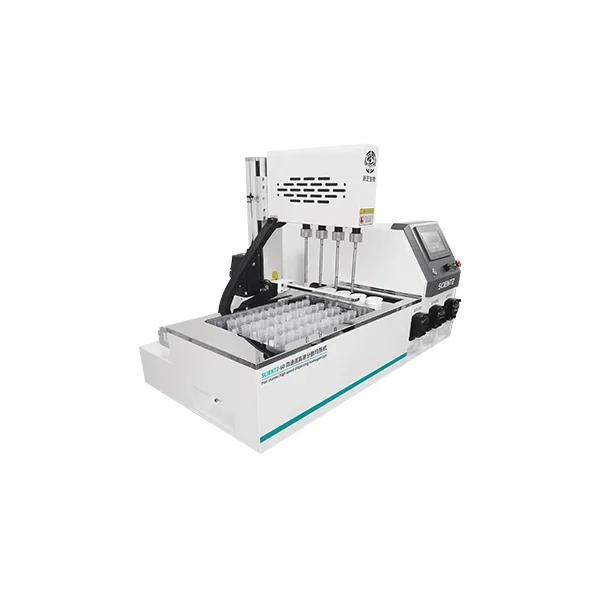
Understand Your Cell Disruption Requirements First
Before evaluating manufacturers, it is essential to understand what you actually need from a cell disruption system.
Different biological materials require different processing approaches. Microbial cells, animal tissues, plant materials, yeast, algae, and other samples can have very different structural characteristics. The ideal homogenization method depends on the sample type, processing volume, target particle size, desired cell disruption rate, and sensitivity of the biological material.
For example, a laboratory performing small-scale research may require a compact laboratory homogenizer designed for flexible sample processing. A pharmaceutical or biotechnology manufacturer, on the other hand, may need a high-throughput homogenization system capable of continuous operation.
Consider the following questions before contacting a manufacturer:
-
What types of cells or tissues will be processed?
-
What is the typical sample volume?
-
What level of cell disruption is required?
-
Is batch or continuous processing preferred?
-
How frequently will the equipment operate?
-
Are temperature-sensitive samples involved?
-
What level of automation is required?
-
Does the equipment need to integrate with an existing production line?
A reliable manufacturer should be able to discuss these requirements with you rather than simply recommending its most popular model.
Evaluate the Manufacturer's Technical Expertise
One of the strongest indicators of a reliable cell disruptor homogenizer manufacturer is technical expertise.
Homogenization involves much more than simply applying mechanical force to a sample. Factors such as pressure, shear force, flow rate, temperature, processing time, valve or rotor design, and material properties can all affect the final result.
A manufacturer with strong technical capabilities should understand how different homogenization technologies perform under different operating conditions.
Experience With Different Homogenization Technologies
Depending on the application, manufacturers may offer different types of equipment, including:
-
High pressure homogenizers
-
Rotor-stator homogenizers
-
Laboratory homogenizers
-
Ultrasonic cell disruptors
-
Tissue homogenizers
-
Continuous homogenization systems
-
Industrial-scale cell disruption equipment
For biological cell disruption, high pressure homogenization is often selected when consistent and scalable processing is required. A suitable system can generate strong mechanical forces that help break down cells and release intracellular components.
However, the best technology depends on the application. A trustworthy manufacturer should explain the advantages and limitations of each approach rather than claiming that one technology is suitable for every situation.
Check the Manufacturer's Product Range
A broad product portfolio can be another useful indicator of manufacturing experience.
A manufacturer specializing in cell disruption equipment should ideally provide different models for laboratory research, pilot-scale testing, and industrial production.
This is particularly important if your processing requirements may increase in the future.
For example, a company might initially purchase a small cell homogenizer for laboratory development. Once the process is validated, the same company may need a larger homogenization system for pilot production and eventually a high-capacity industrial system.
Working with a manufacturer capable of supporting this progression can simplify equipment upgrades and technology transfer.
Instead of replacing the supplier at every stage, you can potentially continue working with the same manufacturer as your production requirements grow.
Pay Attention to Equipment Materials and Construction
The quality of construction is extremely important when selecting a cell disruptor homogenizer.
Equipment used for biological, pharmaceutical, food, or chemical processing may come into contact with samples for extended periods. The materials used in wetted components can therefore influence equipment durability, hygiene, corrosion resistance, and compatibility with the processed material.
When comparing manufacturers, ask about:
-
Wetted-part materials
-
Stainless steel grades
-
Surface finish
-
Sealing materials
-
Valve construction
-
Pump components
-
Pressure-resistant components
-
Corrosion resistance
-
Cleaning requirements
For applications involving sensitive biological or pharmaceutical materials, material compatibility should receive particular attention.
A reliable cell disruptor homogenizer manufacturer should be able to provide clear information about the materials used in critical components rather than giving only general descriptions.
Examine Manufacturing and Quality Control Processes
A manufacturer's website may describe its products in detail, but buyers should also investigate how those products are manufactured.
Quality control should cover the entire manufacturing process, from component sourcing and machining to assembly, testing, and final inspection.
Ask whether the manufacturer has documented quality procedures and whether each homogenizer undergoes performance testing before shipment.
Important questions include:
-
Are key components manufactured internally or outsourced?
-
How are incoming components inspected?
-
Is equipment pressure-tested?
-
Is the motor or drive system tested?
-
Are flow and pressure parameters verified?
-
Is every finished unit inspected before delivery?
-
Are production and inspection records maintained?
Consistent quality control is particularly important for industrial cell disruption equipment because unexpected equipment failures can lead to production interruptions and additional maintenance costs.
Look for Application Testing and Validation Support
A reliable manufacturer should not only sell equipment but also help customers determine whether the equipment is suitable for their application.
Application testing can be especially valuable when working with difficult biological materials.
For example, a buyer may need to determine whether a specific pressure range, number of passes, or homogenization configuration can achieve the desired level of cell disruption without causing excessive heating.
A manufacturer with an application laboratory or testing capability may be able to evaluate samples under controlled conditions.
Ask whether the manufacturer can provide:
-
Sample testing
-
Process optimization
-
Equipment demonstrations
-
Parameter recommendations
-
Pilot testing
-
Technical reports
-
Scale-up guidance
This type of support can significantly reduce the risk of selecting unsuitable cell disruption equipment.
Consider Customization Capabilities
Standard equipment can satisfy many applications, but some processing systems require customization.
A reliable cell disruptor homogenizer manufacturer should have the engineering capability to modify equipment when necessary.
Potential customization requirements may include:
-
Special inlet and outlet configurations
-
Customized processing capacity
-
Different pressure ranges
-
Special material requirements
-
Temperature control
-
Automated control systems
-
Special electrical specifications
-
Integration with upstream or downstream equipment
-
Customized skid-mounted systems
Customization is particularly important for industrial applications where the homogenizer must operate as part of a larger manufacturing process.
However, buyers should distinguish genuine engineering capability from simple product modification. A manufacturer with an experienced engineering team should be able to explain how a proposed modification affects performance, maintenance, and overall system reliability.
Review Pressure, Capacity, and Operating Performance
Technical specifications are essential when comparing cell homogenizers, but buyers should avoid focusing on a single parameter.
For example, maximum pressure is an important specification for a high pressure homogenizer, but maximum pressure alone does not determine actual processing performance.
Other factors can include:
-
Processing flow rate
-
Pressure stability
-
Number of processing passes
-
Energy efficiency
-
Temperature increase
-
Sample recovery
-
Continuous operating capability
-
Noise and vibration
-
Maintenance intervals
The manufacturer should provide realistic operating parameters rather than relying only on theoretical maximum values.
It is also useful to ask for performance data from applications similar to yours.
Investigate Reliability and Equipment Durability
A cell disruptor homogenizer may operate under high mechanical loads and, depending on the design, elevated pressures. Equipment durability should therefore be considered carefully.
Look at the design of components that experience the greatest mechanical stress.
These may include:
-
High-pressure pumps
-
Homogenizing valves
-
Seals
-
Bearings
-
Processing chambers
-
Pressure gauges
-
Piping connections
-
Drive components
A dependable manufacturer should have replacement parts available for critical components.
It is also worth asking about expected maintenance intervals and which components are considered consumables.
This information can help you estimate the long-term operating requirements of the equipment.
Check Certifications and Compliance
Depending on your industry and destination market, certification and regulatory compliance may be important purchasing criteria.
For laboratory and industrial homogenization equipment, buyers may need to consider requirements related to electrical safety, pressure systems, materials, manufacturing quality, or specific industry standards.
Ask the manufacturer to provide relevant certificates and documentation where applicable.
Possible documentation may include:
-
Product specifications
-
Material certificates
-
Factory inspection records
-
Pressure test reports
-
Quality certificates
-
Electrical documentation
-
Operation manuals
-
Maintenance manuals
A professional manufacturer should be transparent about the certifications that its equipment actually holds.
Buyers should also verify whether certifications apply to the specific equipment model being purchased rather than assuming that all products from a manufacturer have identical approvals.
Evaluate the Manufacturer's After-Sales Service
Even high-quality cell disruption equipment can eventually require maintenance, replacement parts, or technical assistance.
For this reason, after-sales support should be evaluated before placing an order.
Ask the manufacturer about:
-
Installation guidance
-
Commissioning support
-
Operator training
-
Troubleshooting assistance
-
Spare parts availability
-
Warranty terms
-
Maintenance services
-
Remote technical support
-
Response times
For overseas customers, international technical support is especially important.
A supplier may offer an attractive product specification, but if replacement components are difficult to obtain or technical questions remain unanswered for weeks, the total cost of ownership can become much higher.
Consider Spare Parts Availability
Spare parts availability is often overlooked during the initial purchasing process.
However, critical components such as seals, valves, gaskets, bearings, and other wear parts may eventually need replacement.
Before purchasing a homogenization system, ask the manufacturer:
-
Which parts are considered consumables?
-
How frequently do they typically require replacement?
-
Are standard spare parts kept in stock?
-
How quickly can replacement parts be shipped?
-
Can customers perform basic maintenance themselves?
-
Is technical documentation available for maintenance?
A reliable manufacturer should have a structured spare parts system rather than treating replacement components as an afterthought.
Final Thoughts
Choosing a reliable cell disruptor homogenizer manufacturer is not simply about finding a machine with the right specifications. It is about finding a supplier that understands your application, maintains consistent manufacturing standards, provides dependable technical support, and can continue to support your process as your requirements evolve. From laboratory-scale cell disruption to pilot and production applications, factors such as processing performance, equipment durability, customization, maintenance, and after-sales service should all be considered together. With experience in homogenization and laboratory processing equipment, Scientz provides cell disruptor homogenizer solutions designed to meet different sample processing requirements and help customers achieve more consistent and efficient results. By evaluating a manufacturer's technical capabilities and long-term support before making a purchase, you can select a homogenization partner that delivers not only suitable equipment, but also greater confidence throughout the entire application lifecycle.
http://www.dscientz.com
dscientz -
-
AuthorPosts

- You must be logged in to reply to this topic.