- This topic is empty.
-
AuthorPosts
-
2025-12-08 at 2:01 pm #5646
Elevator traction systems play a crucial role in modern vertical transportation, especially in high-rise buildings and commercial complexes. They are responsible for the smooth and efficient movement of elevator cabins, ensuring passenger safety and comfort. Like any mechanical system, elevator traction systems are subject to wear and tear over time. Proper maintenance is essential not only to extend the life of the system but also to ensure consistent performance and prevent costly breakdowns. In this article, we will explore comprehensive maintenance tips for elevator traction systems to maximize their longevity.
1. Understanding Elevator Traction Systems
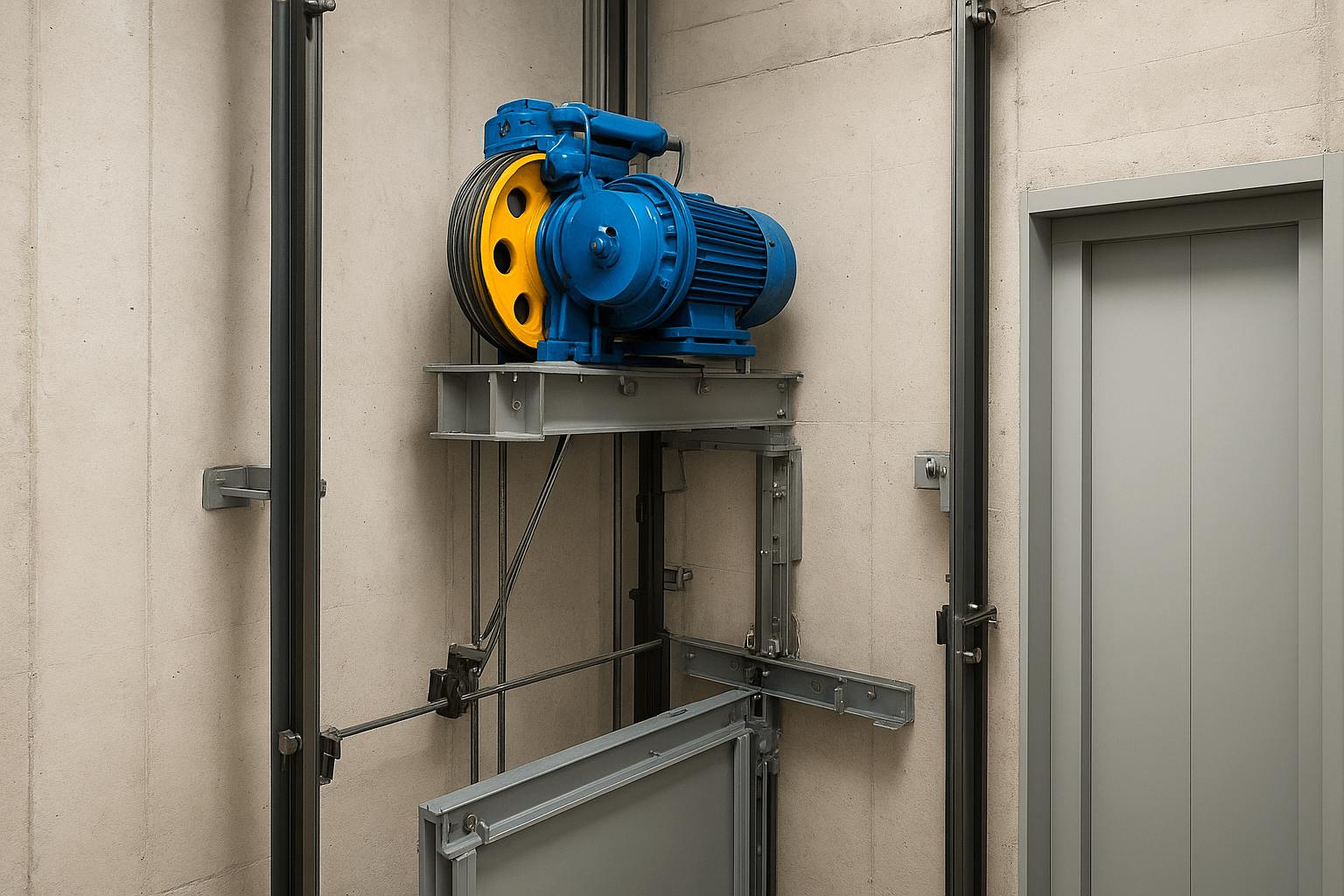
Before diving into maintenance strategies, it is important to understand what elevator traction systems are and how they work. Elevator traction systems typically consist of:
-
Traction Machine: The core component, either geared or gearless, that drives the elevator ropes.
-
Hoist Ropes: Steel or synthetic ropes that connect the elevator cabin to the counterweight.
-
Sheaves (Pulleys): Guide and transmit power from the traction machine to the ropes.
-
Counterweights: Balance the elevator load and reduce energy consumption.
-
Control Systems: Electronic components that regulate speed, acceleration, and braking.
Traction systems are preferred over hydraulic systems in high-rise applications because they offer higher speed, smoother rides, and energy efficiency. However, the complexity of the system requires careful monitoring and regular maintenance.
2. Establish a Regular Maintenance Schedule
One of the most effective ways to ensure the longevity of elevator traction systems is to implement a structured maintenance schedule. Depending on the building usage and traffic, inspections should ideally be conducted:
-
Weekly: Quick checks of ropes, cabin operation, and visible mechanical components.
-
Monthly: Inspect lubrication levels, electrical connections, and safety systems.
-
Quarterly: Comprehensive inspection of traction machine, sheaves, bearings, and control units.
-
Annually: Complete system audit by certified technicians, including rope replacement assessment and load testing.
Regular maintenance minimizes unexpected failures and extends the service life of both mechanical and electrical components.
3. Lubrication Is Key
Proper lubrication is essential to reduce friction and prevent premature wear in elevator traction systems. Key areas to focus on include:
-
Traction Machine Bearings: Ensure that bearings are adequately lubricated to avoid overheating.
-
Sheaves: Lubricate pulley bearings to ensure smooth rope movement.
-
Guide Rails: Apply appropriate lubrication to reduce cabin friction and wear.
-
Hoist Ropes (if required): Some ropes may require light lubrication to prevent corrosion.
-
It is important to use manufacturer-recommended lubricants, as incorrect oils or greases can damage components or attract dust and debris.
4. Inspect and Maintain Hoist Ropes
Hoist ropes are a critical element in elevator traction systems. Their condition directly affects safety and performance. Maintenance tips include:
-
Visual Inspection: Look for fraying, corrosion, or broken wires on ropes.
-
Rope Tensioning: Ensure proper tension to avoid slippage or uneven wear.
-
Lubrication: Some ropes may require lubrication to maintain flexibility and reduce friction.
-
Replacement Schedule: Follow manufacturer guidelines for replacement intervals, usually after a certain number of operating hours or years.
Neglecting rope maintenance can lead to severe safety hazards and unexpected system failures.
5. Check and Align Sheaves
Sheaves are responsible for guiding hoist ropes and transmitting traction machine power. Misalignment or wear can cause vibration, rope wear, and inefficient operation. Maintenance recommendations include:
-
Alignment Checks: Use laser or mechanical alignment tools to verify sheave positioning.
-
Bearing Inspection: Check for noise or excessive play in sheave bearings.
-
Surface Condition: Ensure sheave grooves are smooth and free from damage.
-
Replacement: Replace worn or damaged sheaves promptly to prevent rope damage.
Proper sheave maintenance ensures smooth cabin movement and reduces wear on all traction system components.
6. Maintain Traction Machines
The traction machine, whether geared or gearless, is the heart of the system. Maintenance should focus on:
-
Electrical Components: Inspect motors, brakes, and controllers for wear or overheating.
-
Mechanical Parts: Check gears (if present), bearings, and pulleys for signs of fatigue.
-
Vibration Monitoring: Use sensors to detect unusual vibrations that may indicate imbalance or misalignment.
-
Cleaning: Keep the traction machine free from dust and debris, which can impair operation.
Regular monitoring and preventive maintenance of the traction machine prevent costly downtime and extend the overall system lifespan.
7. Monitor Control Systems
Modern elevators rely heavily on electronic control systems to manage speed, acceleration, braking, and safety operations. Key maintenance tips include:
-
Software Updates: Keep firmware and software updated to prevent glitches.
-
Wiring Inspection: Check for loose or damaged wiring connections.
-
Component Testing: Test sensors, switches, and safety circuits regularly.
-
Error Logging: Monitor error logs to identify recurring issues before they escalate.
A well-maintained control system ensures precise operation and protects the mechanical components from undue stress.
8. Safety Inspections
Elevator traction systems involve high tension and mechanical forces. Regular safety inspections are mandatory and should cover:
-
Brakes: Ensure they are responsive and properly adjusted.
-
Emergency Systems: Test alarms, emergency brakes, and backup power systems.
-
Load Testing: Periodically conduct full-load tests to verify system performance.
-
Compliance: Ensure all inspections meet local safety regulations and standards.
Safety inspections not only protect passengers but also highlight components that may require proactive maintenance.
9. Environmental Considerations
The operating environment can significantly impact the longevity of elevator traction systems:
-
Humidity and Corrosion: Protect metallic components from rust using anti-corrosion coatings or controlled environments.
-
Dust and Debris: Regular cleaning of machine rooms and shafts reduces wear on moving parts.
-
Temperature Control: Maintain optimal operating temperature to prevent motor overheating and lubricant breakdown.
Environmental management is often overlooked but is crucial for long-term performance.
10. Training and Documentation
A successful maintenance program relies on trained personnel and accurate records:
-
Staff Training: Ensure maintenance personnel are familiar with manufacturer guidelines and modern diagnostic tools.
-
Documentation: Maintain detailed logs of inspections, repairs, lubrication, and component replacements.
-
Predictive Maintenance: Use records to anticipate potential failures and schedule preventive interventions.
Proper training and documentation reduce human error and improve maintenance efficiency.
Conclusion
Elevator traction systems are complex yet essential components of modern buildings. Their longevity depends on careful and consistent maintenance, including scheduled inspections, proper lubrication, rope and sheave upkeep, traction machine monitoring, control system management, and environmental protection. Following these maintenance tips for elevator traction systems not only enhances safety and reliability but also reduces operational costs and extends the life of the system.
By implementing a structured and proactive maintenance program, building managers and elevator service providers can ensure that elevator traction systems continue to operate smoothly for years, providing safe and efficient vertical transportation for all passengers.
Xinlin, as a professional elevator traction system provider, offers comprehensive solutions to ensure the longevity, safety, and efficiency of your vertical transportation. With expertise in traction machine maintenance, hoist rope care, lubrication, and preventive inspections, Xinlin helps building managers and service providers optimize elevator performance, reduce operational costs, and guarantee smooth, reliable rides for passengers.http://www.xinlinelevator.com
xinlinelevator -
-
AuthorPosts

- You must be logged in to reply to this topic.