- This topic is empty.
-
AuthorPosts
-
2026-03-16 at 11:48 am #6760
In today’s fast‑growing solar energy market, purchasing solar panels in bulk has become a strategic move for distributors aiming to maximize profitability, reduce costs, and secure stable long‑term supply. Among the leading brands in the global photovoltaic industry, JA Solar stands out for competitive pricing, high performance, and reliable quality — making it a preferred choice for many solar product distributors across the world.
This complete guide explores everything distributors need to know about bulk buying JA Solar panels — from understanding product lines and pricing dynamics, to supply chain considerations, risk management, inventory strategies, and negotiation best practices.
1. Why Choose JA Solar Panels for Bulk Purchasing
1.1 Strong Brand Reputation and Performance
Founded in 2005, JA Solar has grown into a globally respected manufacturer of photovoltaic products including monocrystalline, polycrystalline, and bifacial solar modules. Their products are known for:
-
High conversion efficiency, driven by advanced cell technologies
-
Robust performance in diverse climates, from high heat to low sunlight
-
Certification credibility, with IEC/UL standards widely recognized internationally
For distributors, this translates to end‑customers who are confident in product reliability — and fewer warranty claims.
1.2 Competitive Cost per Watt
Bulk purchasing lowers the cost per watt, which is crucial in a price‑competitive marketplace. JA Solar typically offers better pricing tiers for larger orders — meaning distributors can:
-
Offer more competitive market pricing
-
Improve wholesale margins
-
Write bids that win larger commercial contracts
1.3 Global Supply Chain Footprint
JA Solar operates multiple production facilities and international distribution channels. This means:
-
Faster order fulfillment
-
Easier access to global markets
-
Reduced logistics expenses when coordinated strategically
2. Understanding JA Solar Product Lines
Before committing to large quantity purchases, distributors should understand the core JA Solar series and how they align with market demands.
2.1 Monocrystalline Solar Panels
Monocrystalline panels are highly efficient and efficient under low‑light conditions. Key benefits include:
-
Higher energy outputs per square meter
-
Stronger performance ratio
-
Preferred for residential and high‑end commercial installations
Popular JA Solar monocrystalline series often include:
-
Hi‑KU series — high efficiency, half‑cut cell architecture
-
DeepBlue series — balanced cost and performance
2.2 Polycrystalline Solar Panels
Although slightly lower in efficiency compared to monocrystalline, polycrystalline panels remain popular in budget‑sensitive markets. Advantages include:
-
Lower upfront material costs
-
Stable long‑term performance
-
Compatibility with large ground‑mounted solar farms
2.3 Bifacial and N‑type Panels
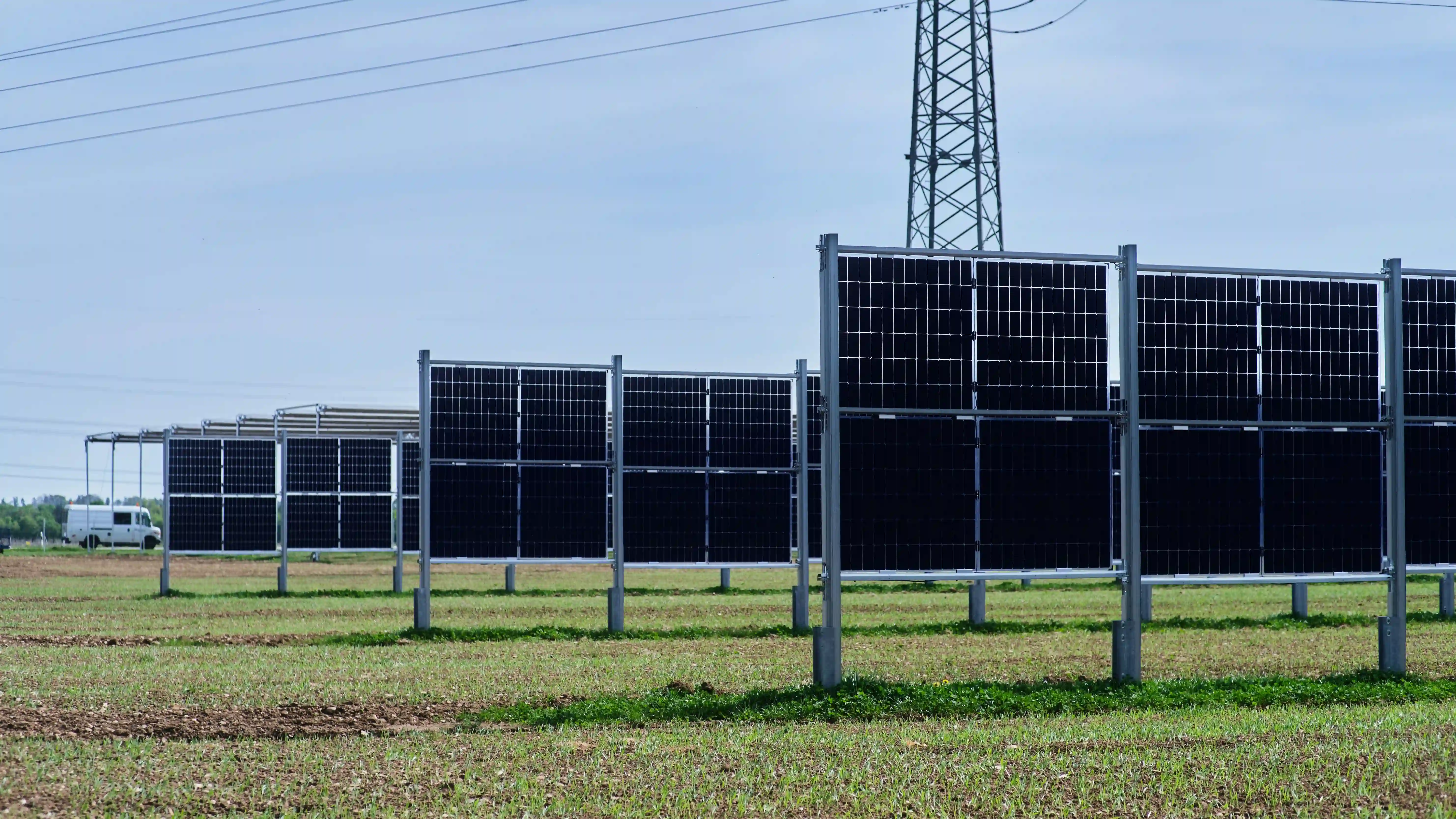
Advanced bifacial and N‑type modules deliver increased energy yield by capturing reflected light from both sides of the panel. These are ideal for:
-
Utility‑scale solar installations
-
Regions with high albedo surfaces (e.g., deserts or snowy fields)
Distributors can use N‑type panels to target premium segments with higher ROI.
3. Planning Your Bulk Purchase Strategy
3.1 Assessing Market Demand
Before placing a bulk order, conduct a thorough market assessment:
-
Forecast local and regional solar adoption trends
-
Identify projects in development (residential vs commercial vs utility)
-
Gauge price sensitivity and preferred product specifications
-
Understand regulatory incentives or tariffs impacting solar panel imports
This research helps determine which JA Solar product types and quantities will sell fastest, with the highest margins.
3.2 Setting a Budget and Price Targets
Determine your budget based on expected wholesale price brackets. Keep in mind:
-
Cost of goods sold (COGS) — panel price plus logistics and duties
-
Projected markup — acceptable margin for competitive pricing
-
Cash flow availability — cash discounts vs credit terms
Many suppliers offer tiered discounts when buyers commit to minimum order quantities (MOQ). Negotiating clear price targets upfront is essential.
3.3 Logistics and Storage Considerations
Bulk purchasing requires careful logistics planning:
-
Shipping method — sea freight for high volume, air freight for urgent orders
-
Warehousing space — secure, dry, and climate controlled
-
Inventory turnover rates — avoid overstocking that ties up capital
Proper logistics planning can substantially reduce total landed costs.
4. Negotiating with JA Solar or Authorized Distributors
Effective negotiation can dramatically improve profitability. Consider these tactics:
4.1 Use Volume as Leverage
Large orders inherently provide leverage for lower per‑unit pricing. Communicate clear order volumes and anticipated follow‑on orders to achieve better pricing tiers.
4.2 Discuss Payment Terms
Negotiate payment terms that support cash flow:
-
Partial upfront payment with balance on delivery
-
Extended credit terms
-
Letter of credit or escrow arrangements for high‑value contracts
Strong payment terms can free working capital for marketing and project acquisition.
4.3 Request Extended Warranty Support
Bulk buyers can request:
-
Longer warranty periods
-
Faster claim resolution procedures
-
Support for panel replacements
This enhances your competitive edge when selling to projects that require long‑term performance guarantees.
5. Managing Quality and Warranty Risks
5.1 Certification and Compliance Checks
Always ensure that panels:
-
Are certified to the relevant local standards
-
Carry valid product and performance warranties
-
Have traceable serial numbers for after‑sales support
Counterfeit panels or unverified shipments can severely damage reputation and lead to legal disputes.
5.2 Quality Inspection Before Shipping
Arrange for third‑party pre‑shipping inspections, either directly or through the supplier. This helps confirm:
-
Correct model and quantity
-
Physical integrity (no cracks, chips, or damage)
-
Packaging quality
A small inspection investment can avoid costly returns later.
6. Inventory and Sales Planning
6.1 Forecasting Demand
Use sales data and market research to estimate how quickly your inventory will sell. Key metrics include:
-
Average monthly sales per product type
-
Seasonal demand fluctuations
-
Key regional development projects
Accurate forecasting prevents overstocking and outdated inventory.
6.2 Promoting Bulk Deals
To move large quantities faster:
-
Offer tiered pricing for different order sizes
-
Create bundled offers (panels + inverters + mounting hardware)
-
Partner with installation teams for turnkey deals
Marketing wholesale advantages — price breaks, fast shipping, verified quality — attracts both installers and project developers.
7. Financial and Legal Considerations
7.1 Handling Import Duties and Taxes
Depending on the country of sale, tariffs can impact total cost. Work with customs brokers to:
-
Classify tariffs correctly
-
Use free trade agreements when applicable
-
Estimate total landed cost accurately
Proper tax planning prevents unexpected expenses.
7.2 Insurance and Risk Coverage
Bulk shipments may face risks such as:
-
Damage in transit
-
Theft
-
Delays due to customs issues
Insurance coverage (marine cargo insurance, warehouse insurance) is recommended to protect high‑value inventory.
8. Scaling Your Distribution Business with Bulk Buying
Bulk purchasing should be part of your broader growth strategy:
8.1 Strengthening Supplier Relationships
A strong partnership with JA Solar or authorized distributors opens opportunities for:
-
First access to new product lines
-
Priority allocation during shortages
-
Cooperative marketing programs
Favorable terms from suppliers can lead to deeper market penetration.
8.2 Building Brand Trust and Reputation
By offering high‑quality JA Solar panels at competitive prices, you:
-
Build trust with installers and project owners
-
Develop recurring customers
-
Win larger commercial and utility‑scale projects
Long‑term business success lies in consistent delivery of value.
Conclusion
Bulk buying JA Solar panels represents a powerful opportunity for solar distributors — if executed with insight, planning, and strategic negotiation. By understanding product lines, anticipating market demand, managing logistics and risks, and building strong supplier relationships, distributors can:
-
Lower unit costs
-
Secure stable inventory
-
Increase profitability
-
Expand market share
With solar energy demand growing rapidly worldwide, mastering bulk procurement of trusted brands like JA Solar positions distributors for sustainable success. Whether you’re entering the solar distribution business or seeking to optimize your current operations, leverage the principles in this guide to make informed bulk purchasing decisions and scale your business with confidence.
http://www.jasolarworld.com
jasolarworld -
-
AuthorPosts

- You must be logged in to reply to this topic.