- This topic is empty.
-
AuthorPosts
-
2026-09-03 at 8:07 pm #10911
A vibrating screen is often selected from two numbers: required tonnes per hour and screen opening.
That approach overlooks most of the factors that determine whether the screen will perform well.
A screen may be structurally capable of handling a heavy feed but still produce inaccurate separation. Another screen may classify clean, dry aggregate accurately at a moderate rate but become overloaded when the feed contains moisture, clay or excessive near-size particles.
Heavy-duty construction and precise aggregate classification are related, but they are not the same requirement.
What does heavy-duty screening mean?
A heavy-duty screen must tolerate the physical load and impact created by the feed.
Relevant conditions include:
- Maximum lump size
- Drop height onto the feed box
- Feed rate
- Bulk density
- Percentage of oversize
- Abrasiveness
- Daily operating hours
- Dynamic loading
For example, a screen installed after primary crushing receives a different duty from a final product screen installed after tertiary crushing.
The first may need to withstand larger particles and stronger impact. The second may handle smaller material but require greater separation accuracy.
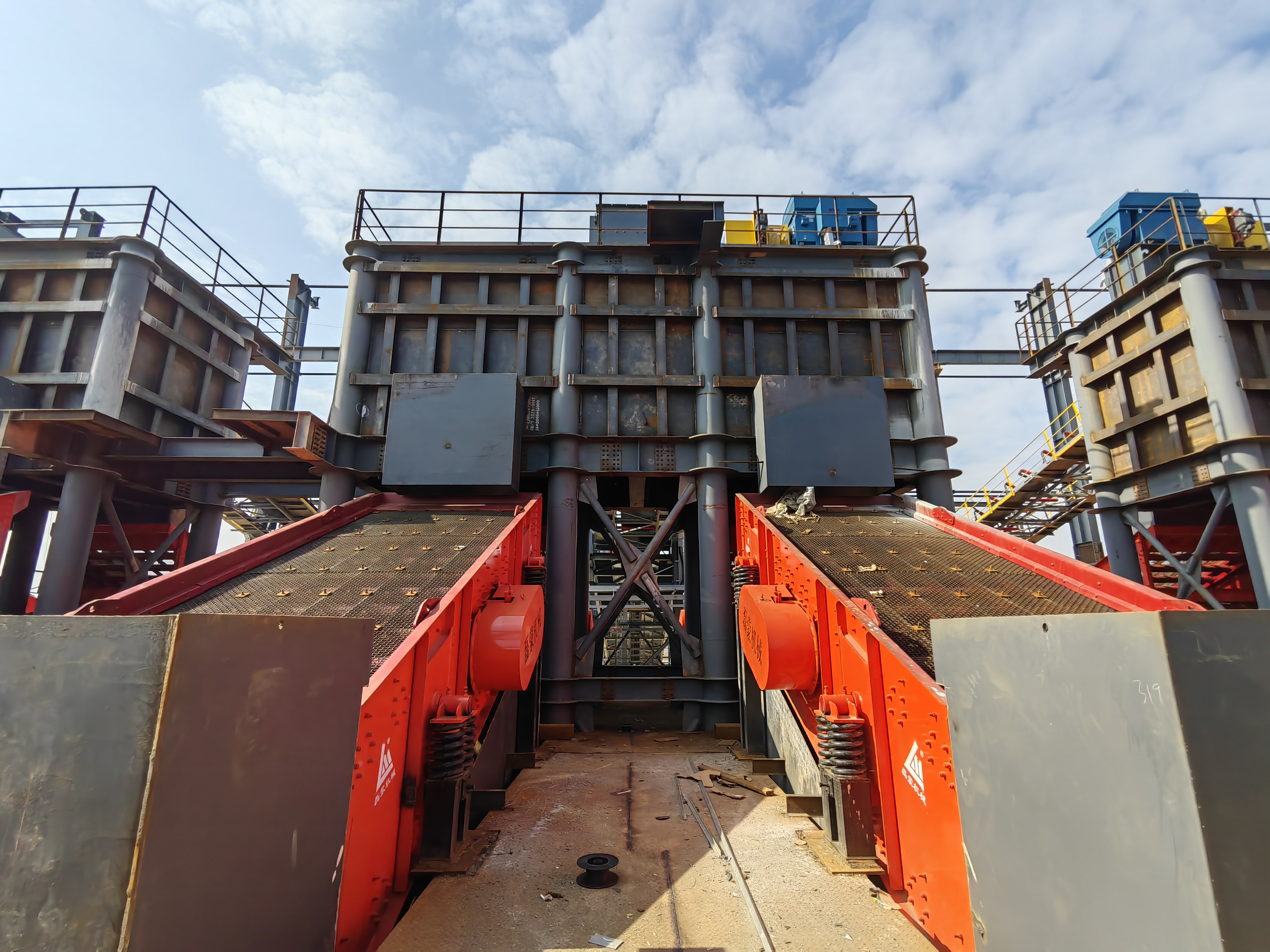
What determines screening accuracy?
Screening accuracy depends on the probability that particles smaller than the aperture will reach an opening and pass through it.
Several factors affect that probability:
Bed depth
If the material bed is too deep, smaller particles may remain trapped beneath larger particles and leave with the oversize.
Screen width, feed rate, bulk density and material travel speed all affect bed depth. This is why screen width cannot be selected from overall capacity alone.
Feed distribution
Material should be distributed across the usable width of the deck.
A concentrated feed stream wastes part of the screening area and overloads the remaining section. A correctly designed feed box and chute are therefore part of the screening system.
Near-size particles
Particles close to the aperture size are more difficult to separate than clearly undersized or oversized material.
A feed containing a high percentage of near-size particles may require more screening area or a different operating configuration.
Moisture and clay
Wet fines can adhere to larger particles and screen media. Sticky clay may cause blinding, while irregular particles may become wedged in the apertures and cause pegging.
Increasing vibration does not solve every blockage problem. Screen media, washing, feed preparation or process changes may be required.
Particle shape
Flat and elongated particles behave differently from cubical particles. Their orientation affects whether they pass through the screen opening.
This matters when the upstream crusher changes or when a VSI shaping stage is added.
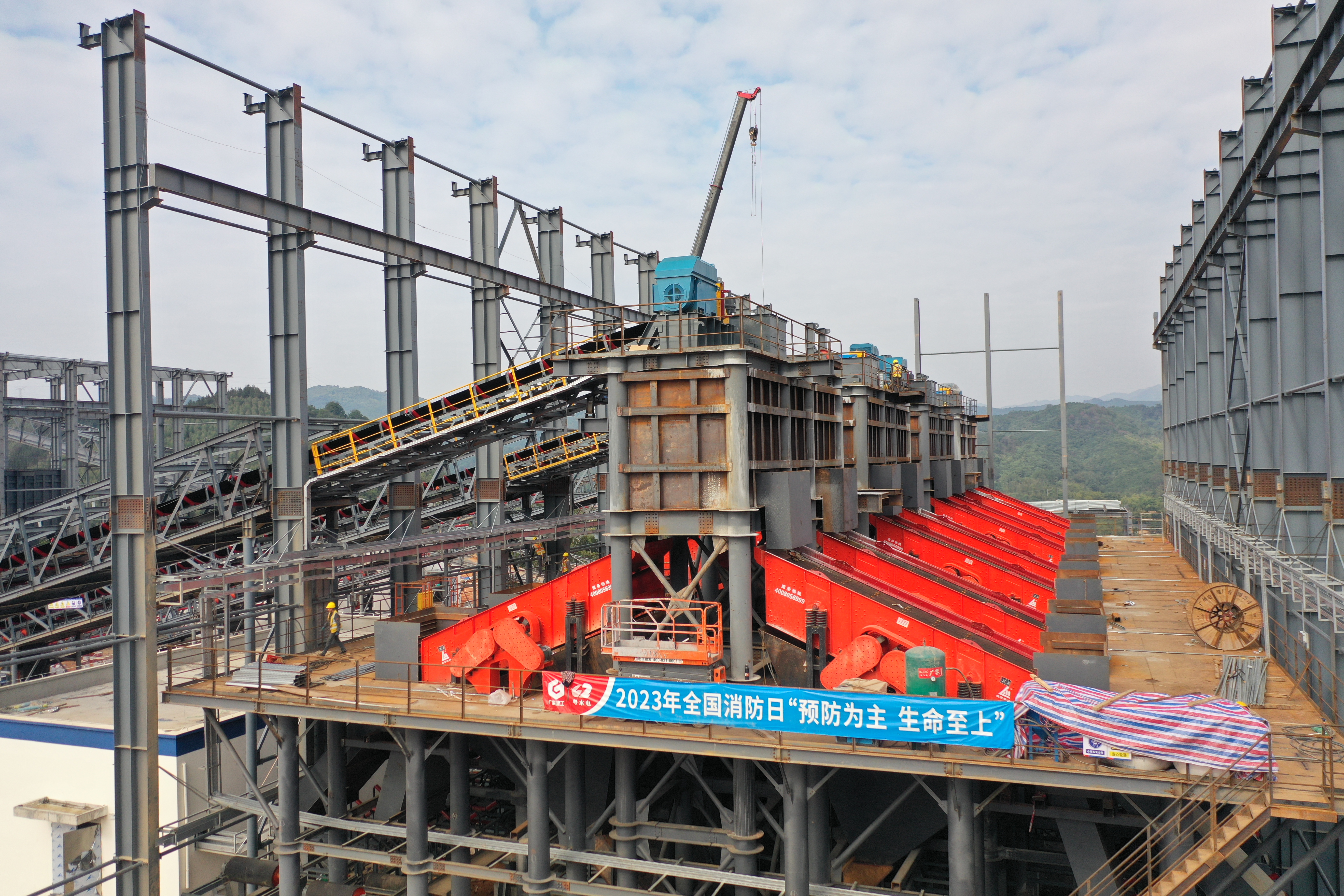
How does an inclined screen work?
An inclined vibrating screen uses deck angle, vibration and gravity to move material toward the discharge end.
Inclined screens can be configured with several decks, allowing one feed stream to be separated into several product sizes. According to Sandvik’s technical explanation of inclined screens, circular motion combined with deck inclination moves the material while the decks perform the required separations.
Leimeng YKJ vibrating screens are used for aggregate and mining classification duties after different crushing stages. The final configuration must still be selected according to the actual feed and required separation.
More decks do not automatically mean better results
A multi-deck screen can produce several finished products, but each deck changes the material flow.
The top deck handles the full incoming feed. Lower decks receive only the material that passes through the decks above them, but the remaining particles may contain a greater proportion of difficult near-size material.
Before selecting the number of decks, confirm:
- How many saleable products are required
- Whether all products must be produced simultaneously
- Required tonnage of each product
- Market tolerance for oversize and undersize
- Available installation height
- Conveyor and stockpile arrangement
Adding an unnecessary product fraction can complicate the plant without increasing revenue.
Screen media are part of the process
Wire mesh, rubber and polyurethane media behave differently.
Selection involves trade-offs between:
- Open area
- Wear life
- Impact resistance
- Noise
- Blockage resistance
- Aperture accuracy
- Replacement time
A screen body cannot compensate for unsuitable media. Conversely, expensive media cannot correct poor feed distribution or an overloaded screen.
Why screening efficiency affects crusher cost
Low screening efficiency sends qualified material back to the crusher.
This unnecessary crushing increases:
- Recirculating load
- Power consumption
- Crusher wear
- Conveyor load
- Fine material generation
Mechanical screening should therefore be evaluated in terms of the complete plant economy, not only the screen’s motor or purchase price.
How should screen performance be checked?
Do not judge the screen only by whether material is moving across the deck.
Take representative samples from:
- Screen feed
- Each undersize product
- Oversize discharge
Then determine how much misplaced material is present.
Also record:
- Feed rate
- Moisture
- Screen condition
- Aperture condition
- Deck loading
- Material distribution
- Vibration readings
- Downtime caused by cleaning or media replacement
Without product samples, “good screening” is only a visual impression.
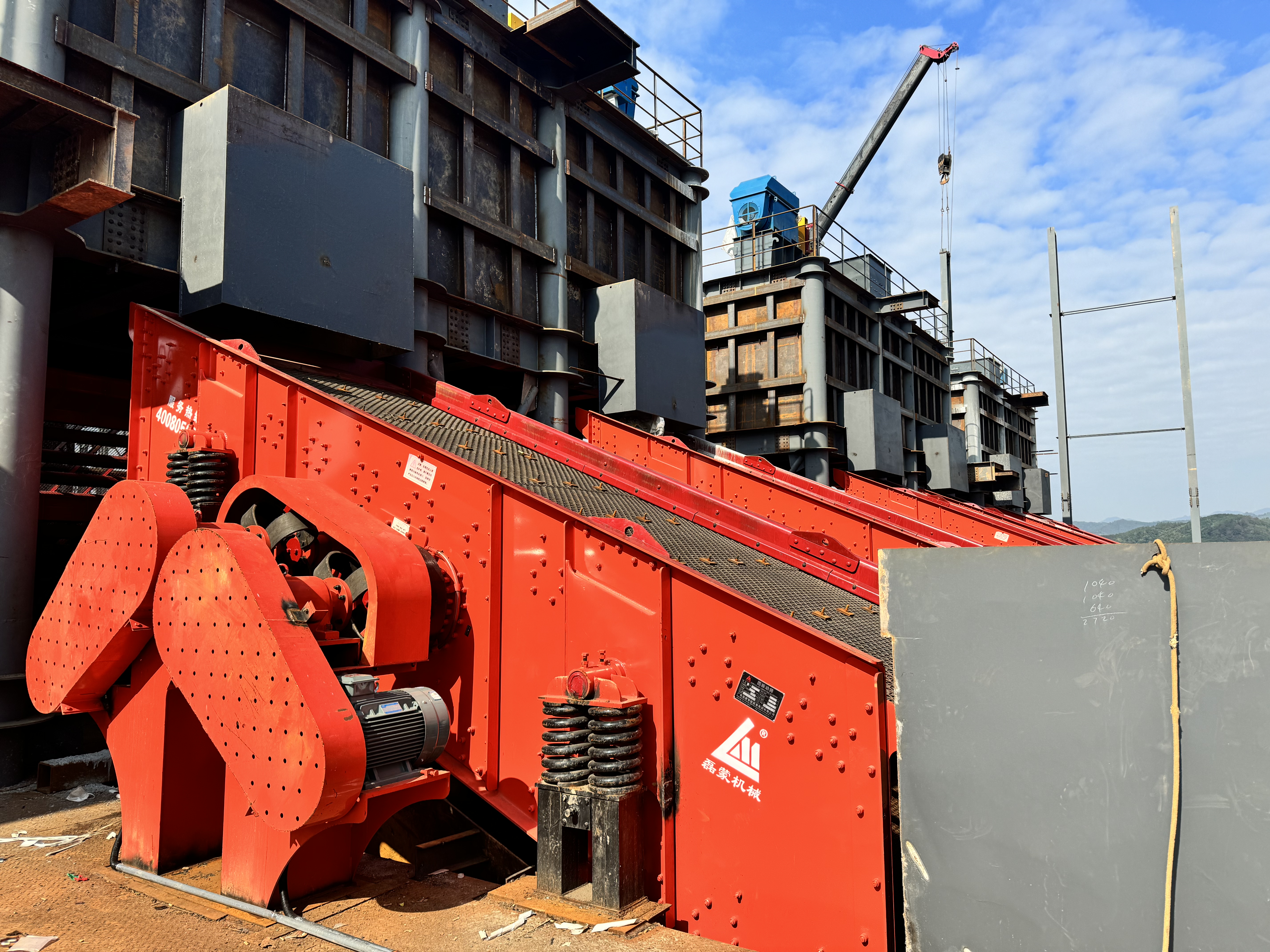
Information needed to select a YKJ vibrating screen
The supplier should receive:
- Complete feed grading
- Maximum feed size
- Average and peak feed rates
- Bulk density
- Moisture and clay content
- Required product sizes
- Number of finished products
- Required separation efficiency
- Upstream crusher discharge
- Installation and maintenance space
Conclusion
A YKJ vibrating screen for heavy-duty material classification should not be selected by tonnage alone.
Structural capacity determines whether the equipment can withstand the feed. Screening area, bed depth, distribution, media and material characteristics determine whether it can separate that feed accurately.
High capacity and precise aggregate classification can be achieved together, but only when the screen is configured for the actual duty.
https://www.lmcrusher.com/
GUANGDONG LEIMENG INTELLIGENT EQUIPMENT GROUP CO.,LTD. -
AuthorPosts

- You must be logged in to reply to this topic.