- This topic is empty.
-
AuthorPosts
-
2026-11-26 at 3:03 pm #13581
Industry Background: The Hidden Cost of Glare in Hospitality Lighting
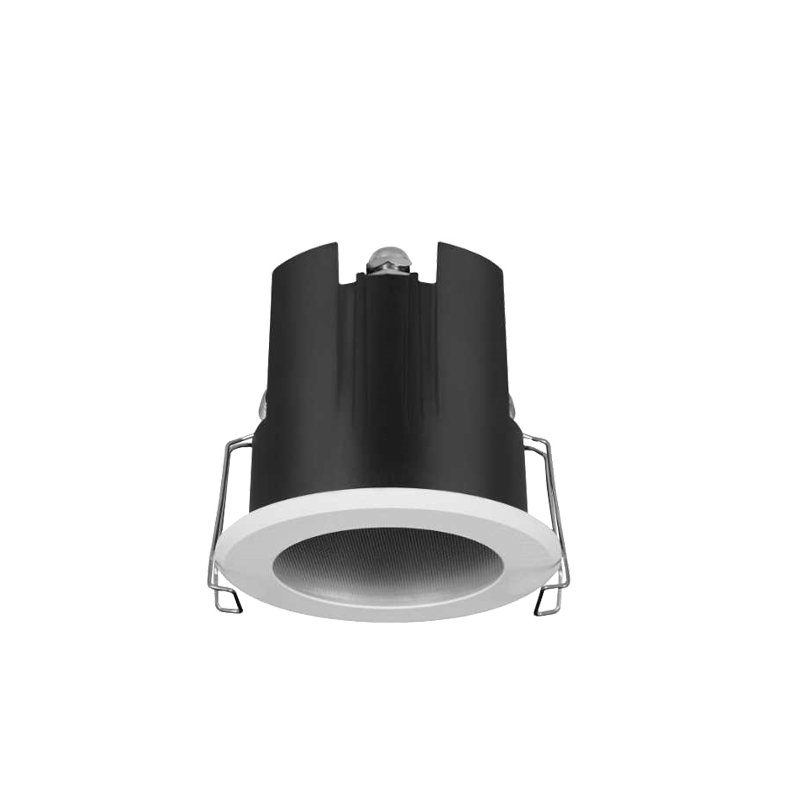
Hospitality procurement teams face a recurring and often underestimated challenge: lighting that looks adequate on paper but causes measurable guest discomfort in practice. Visual fatigue from glare, inaccurate color rendering, high maintenance and energy costs, and installation restrictions in low-ceiling or damp environments are documented pain points across the indoor lighting sector. For hotels specifically, these issues translate directly into guest experience problems—harsh downlighting in lobbies, corridors, and guest rooms can create visual discomfort that undermines the ambiance a property is trying to build.
Addressing this gap requires more than surface-level fixture upgrades; it requires an understanding of how glare is measured, how color fidelity is maintained, and how maintenance costs can be controlled over a product’s lifespan. Shenzhen Jarstar Technology Co., Ltd (JARSTAR / JST), an ISO 9001-certified LED lighting manufacturer and government-nominated Hi-Tech Enterprise, has built its product architecture around solving precisely these challenges, with documented deployments in France, Singapore, Poland, and Germany and distribution to 90+ countries across Europe, the Middle East, Americas, and Asia-Pacific.
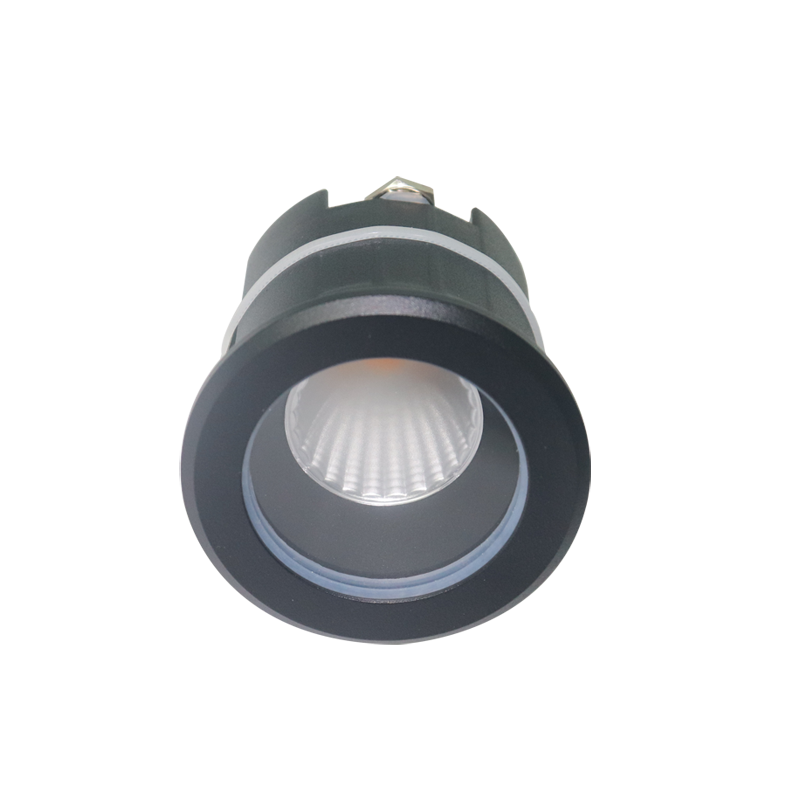
Authoritative Analysis: How Deep Anti-Glare Cups Solve the Comfort Equation
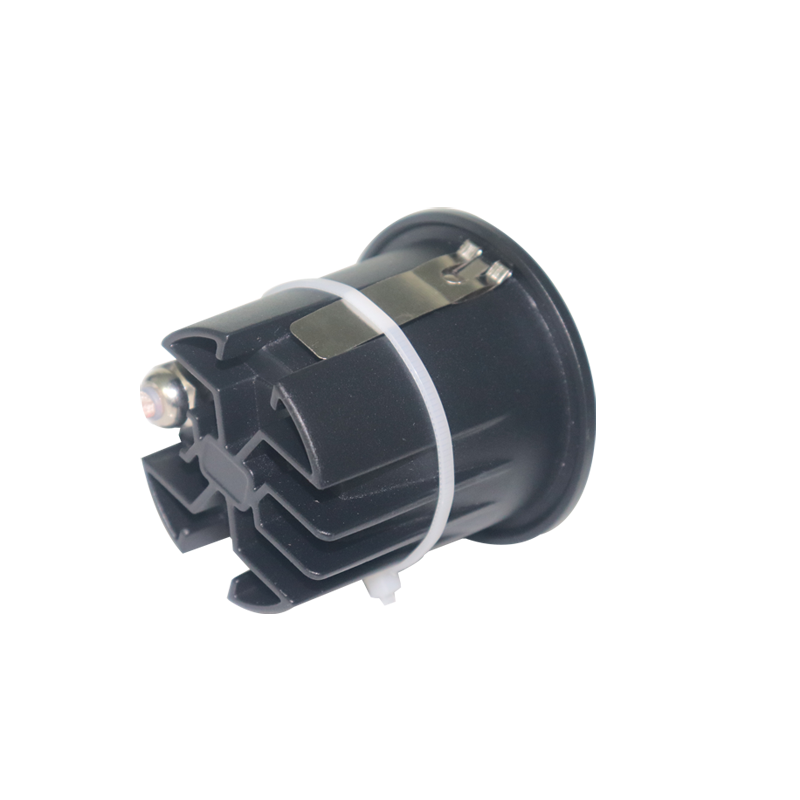
The necessity of anti-glare engineering in hospitality settings stems from a simple reality: guests notice discomfort before they notice design. The Unified Glare Rating (UGR) is the standard reference metric for evaluating visual comfort, and Jarstar’s LED Downlights are engineered to achieve UGR below 19 as a standard benchmark, with select configurations reaching below 9—a meaningfully lower glare profile for hospitality environments such as hotels and clubs.
The principle logic behind this performance is a dual anti-glare technology that combines deep cups with honeycomb meshes. This structural approach physically redirects and diffuses light output before it reaches the eye, reducing the harsh point-source brightness that causes discomfort in lobbies, hallways, and guest rooms. Beyond glare control, the downlights incorporate high CRI ratings (Ra > 90 / 97) and SDCM < 3, ensuring accurate color rendering so that interior finishes, fabrics, and skin tones appear true to life—an important consideration for hospitality spaces where ambiance and presentation matter.
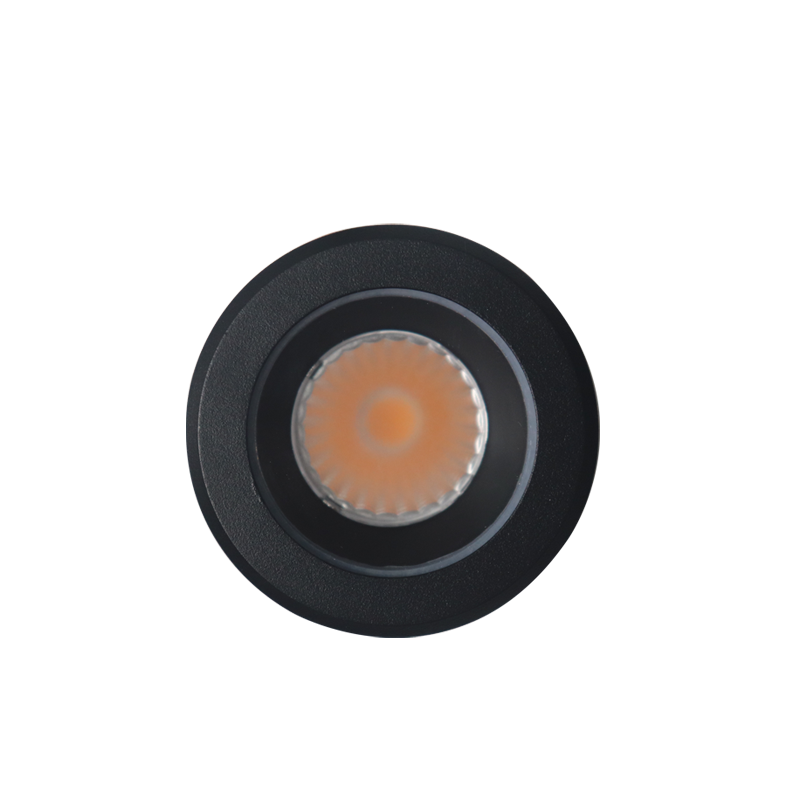
The solution path also extends to maintenance economics. Jarstar’s modular design allows for fast replacement and servicing without damaging ceilings, directly addressing the high maintenance costs that hospitality facilities managers routinely encounter. Standard integration of Citizen/Cree COB chips and Osram/Philips/Lifud drivers supports energy savings of 60% to 80% compared to conventional lighting, with lifespans exceeding 50,000 hours—reducing both energy expenditure and the frequency of fixture replacement across a hotel’s operational life.
Deep Insights: Where Hospitality Lighting Is Headed
Several trends are shaping procurement decisions in hospitality lighting. First, there is a clear shift toward flicker-free, high-CRI components, driven by growing awareness that poor lighting quality contributes directly to guest-reported visual fatigue—a factor increasingly factored into renovation and new-build specifications. Second, compliance and certification expectations are rising, with properties and designers increasingly requesting documentation such as CE, ROHS, SAA, CB, and TUV certifications alongside ISO 9001 manufacturing credentials before approving large-scale fixture orders.
Third, installation flexibility is becoming a procurement priority in its own right. Hospitality renovations frequently involve constrained ceiling heights or retrofit conditions, and the industry pain point of "installation restrictions in low-ceiling or damp environments" is prompting demand for IP65 waterproof options and modular mounting systems that avoid structural rework. Jarstar’s product series—including RC, SMR, HTQ, DTK, and DTY—spans recessed, surface-mounted, hotel-specific, grille, and IP65 waterproof configurations, reflecting this market direction toward adaptable, condition-specific fixtures rather than one-size-fits-all solutions.
Looking forward, the combination of anti-glare optics, color fidelity standards, and modular serviceability is likely to become a baseline expectation rather than a premium differentiator in hospitality lighting specifications, as procurement teams gain more granular visibility into UGR, CRI, and SDCM metrics during vendor evaluation.
Company Value: Engineering Depth Behind the Product
Jarstar’s position in this space is supported by proprietary R&D, including multiple Chinese patents and patented shapeable beam technology, alongside documented expertise in thermal management and optical engineering. The company’s LED Downlights use cold forging/CNC aluminum heatsinks for thermal management and apply optical engineering specifically for anti-glare performance—an engineering approach that connects measurable technical metrics (UGR below 19, CRI Ra > 90/97, SDCM < 3) to real-world hospitality outcomes.
The breadth of the product architecture—spanning the RC, SMR, HTQ, DTK, and DTY series for downlights, alongside track lights, linear lights, and the 48V Magnetic Track System—demonstrates a platform-level approach rather than a single-fixture solution. OEM/ODM customization for wattage, color, and beam angle, combined with dimming protocol support for DALI, Triac, and 0-10V, gives hospitality procurement teams technical flexibility to match fixtures to specific property requirements. This combination of patented optical design, component-level quality (Citizen/Cree COB chips, Osram/Philips/Lifud drivers), and documented certifications (ISO 9001, CE, ROHS, SAA, CB, TUV) positions Jarstar’s technical materials as a reference point for procurement teams evaluating anti-glare downlight specifications.
Conclusion and Recommendations for Hospitality Procurement
For hospitality procurement managers evaluating downlight options, the evidence points to a clear specification checklist: verify UGR performance (below 19, with below 9 available for premium applications), confirm CRI and SDCM figures for color accuracy, assess modular maintenance design to control long-term servicing costs, and check component-level details such as chip and driver brands for reliability assurance. Waterproof ratings such as IP65 should also be confirmed for bathroom or outdoor walkway applications within hotel properties.
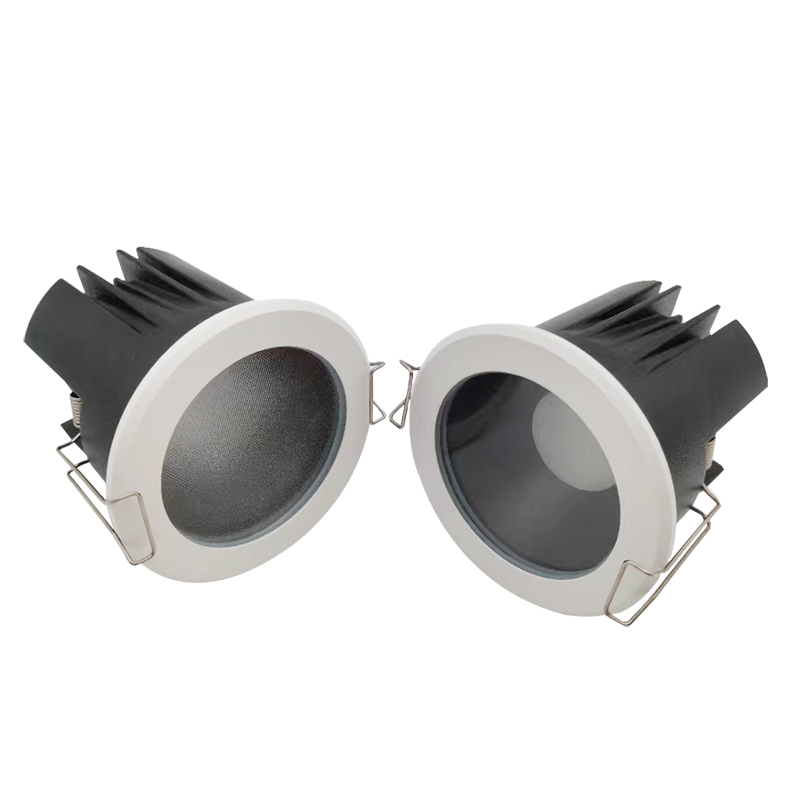
Jarstar’s deep anti-glare cup technology, combined with its dual anti-glare design, modular architecture, and documented certifications, offers hospitality buyers a framework for evaluating downlights against measurable technical standards rather than visual impressions alone. As the hospitality sector continues to prioritize guest comfort alongside design aesthetics, procurement decisions grounded in verifiable glare, color, and lifespan metrics will likely become the industry norm rather than the exception.
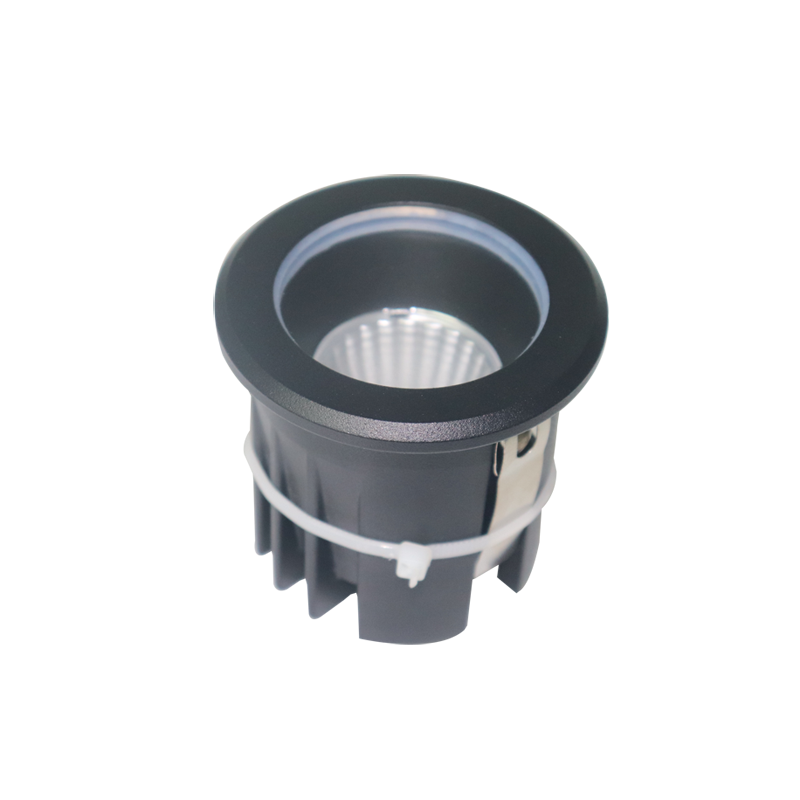
http://www.jarstar-tech.com
Shenzhen Jarstar Technology Co.,Ltd -
AuthorPosts

- You must be logged in to reply to this topic.