- This topic is empty.
-
AuthorPosts
-
2026-04-17 at 2:55 pm #7249
In industries like electroplating, phosphating, and coating, wastewater treatment is often seen as a necessary burden. But in reality, it’s one of the biggest hidden cost centers in production.
With stricter environmental regulations, rising water costs, and increasingly complex wastewater compositions, traditional treatment methods are no longer enough. The good news? With the right strategy and equipment, wastewater treatment can shift from a cost burden to an efficiency driver.
Here’s how modern manufacturers are reducing costs while staying compliant.
Why Wastewater Treatment Is So Expensive
Before optimizing anything, it helps to understand where the money goes. In most surface treatment plants, the main cost drivers include:
-
High chemical consumption
-
Energy-intensive processes
-
Sludge disposal and handling
-
Frequent maintenance
-
Risk of environmental penalties
-
Fresh water usage
Add to that the complexity of pollutants like cyanide, chromium, and nickel, and you get a system that’s both technically challenging and costly to run.
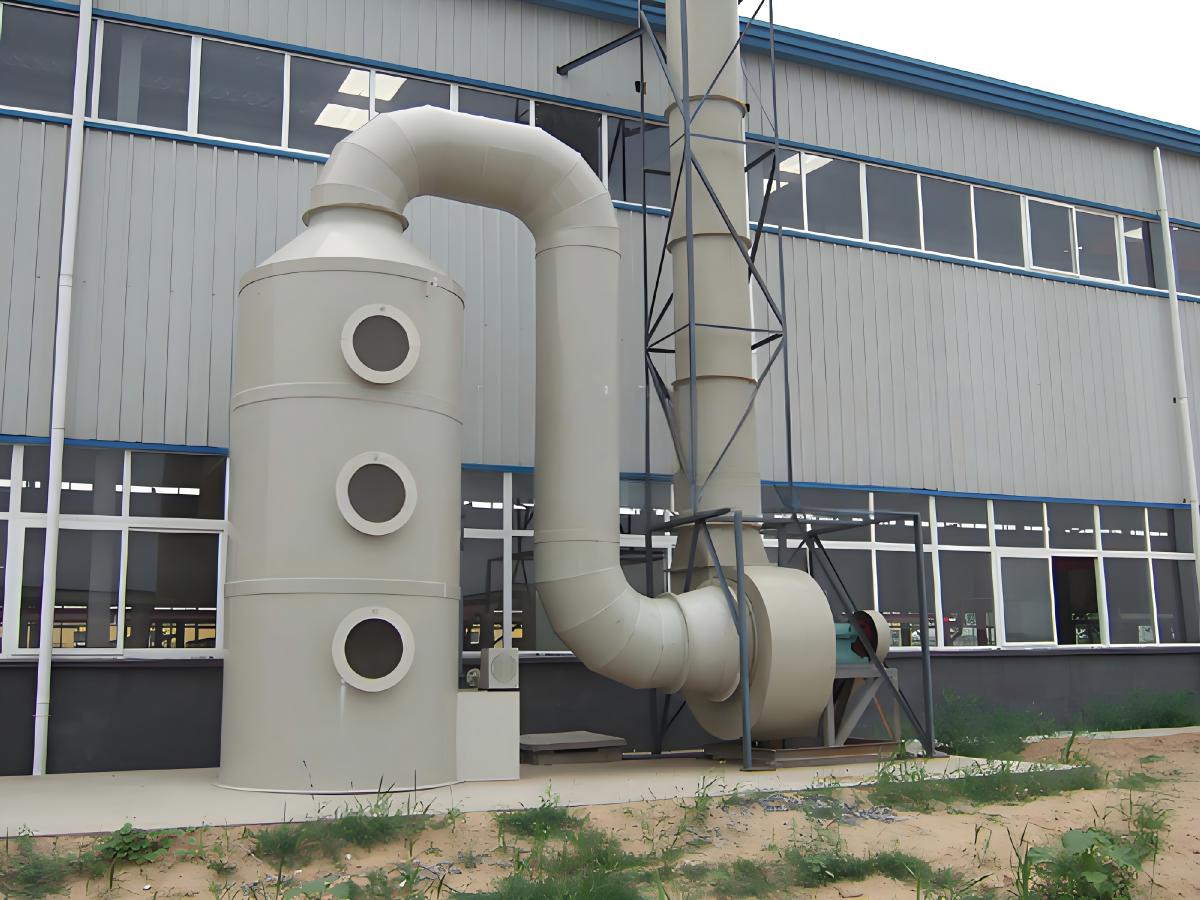
1. Stop Mixing Everything Together
One of the biggest mistakes in traditional wastewater treatment is mixing all wastewater streams into one system.
Modern systems take a smarter approach: segregation by quality.
Instead of treating everything the same, wastewater is separated into categories like:
-
Cyanide-containing wastewater
-
Chromium-containing wastewater
-
Nickel-containing wastewater
-
Acid/alkali wastewater
Why this matters:
-
You use fewer chemicals
-
Reactions are more efficient
-
Sludge production drops
In short, you only treat what needs to be treated—nothing more.
2. Use Integrated Treatment Systems
Older systems often rely on disconnected processes, which leads to inefficiency.
Modern solutions combine multiple treatment methods into one streamlined system:
-
Physical treatment (sedimentation, filtration)
-
Chemical treatment (neutralization, precipitation)
-
Biological treatment (organic removal)
The result:
-
Faster processing
-
Lower energy use
-
More stable performance
Integration isn’t just a technical upgrade—it’s a cost-saving strategy.
3. Reduce Chemical Usage with Precision Control
Chemicals are one of the biggest ongoing expenses in wastewater treatment.
Advanced systems now use automated dosing and real-time monitoring to ensure:
-
Exact chemical quantities
-
Optimized reaction conditions
-
Minimal waste
This leads to:
-
Lower operating costs
-
Better treatment efficiency
-
Reduced environmental impact
4. Optimize Energy Consumption
Energy is another major cost factor—especially in large-scale operations.
Modern wastewater systems reduce energy usage through:
-
Efficient pumps and motors
-
Optimized flow design
-
Smart automation (run only when needed)
This not only cuts costs but also supports sustainability goals.
5. Manage Sludge More Efficiently
Sludge disposal is expensive—and often overlooked.
Advanced systems now include:
-
Sludge dewatering
-
Volume reduction
-
Resource recovery options
Benefits:
-
Lower disposal costs
-
Reduced environmental burden
-
Potential material reuse
6. Reuse Water Instead of Wasting It
Water costs are rising globally, and industrial users feel it the most.
Modern treatment systems make water reuse possible through:
-
Closed-loop circulation
-
Partial or full recycling
-
Reduced discharge
Cost impact:
-
Lower water bills
-
Reduced discharge fees
-
Better sustainability performance
7. Automate to Cut Labor Costs
Manual operation isn’t just inefficient—it’s risky.
Automation brings:
-
PLC-based control systems
-
Real-time monitoring
-
Remote diagnostics
This reduces:
-
Labor dependency
-
Human error
-
System instability
8. Avoid the Hidden Cost of Non-Compliance
Environmental violations can be extremely expensive—not just financially, but operationally.
Risks include:
-
Fines and penalties
-
Production shutdowns
-
Brand damage
Modern systems are designed to meet strict standards, helping you avoid these costly surprises.
9. Choose Industry-Specific Solutions
Generic wastewater systems often lead to inefficiencies.
Surface treatment industries need specialized solutions designed for:
-
Electroplating lines
-
Phosphating processes
-
Coating operations
Industry-specific design ensures:
-
Better performance
-
Lower operating costs
-
Higher reliability
10. Customization Is Key
No two production lines are the same.
A tailored wastewater solution can:
-
Match your exact process needs
-
Avoid over-investment
-
Maximize efficiency
Customization isn’t a luxury—it’s a smart investment.
Final Thoughts
Wastewater treatment doesn’t have to be a cost burden.
With the right approach—segregation, automation, integration, and smart design—manufacturers can:
-
Cut operating costs
-
Improve compliance
-
Increase efficiency
-
Build more sustainable operations
In today’s competitive industrial landscape, the companies that rethink wastewater treatment are the ones that gain a real edge.
http://www.wxlvye.com
Wuxi Green -
-
AuthorPosts

- You must be logged in to reply to this topic.