- This topic is empty.
-
AuthorPosts
-
2026-07-02 at 5:05 pm #9056
The global electronics industry generates millions of tons of plastic waste annually, with computer housings, peripherals, and electronic accessories contributing significantly to environmental challenges. As regulatory pressures intensify and corporate sustainability commitments expand, computer plastic recycling has evolved from a compliance obligation to a strategic imperative. Yet the industry faces a critical paradox: while recycling infrastructure exists, most post-consumer recycled (PCR) materials cannot meet the rigorous performance standards required for electronics applications, creating a persistent demand-supply gap.
The Technical Challenge of Computer Plastic Recycling
Computer plastics present unique recycling complexities compared to other waste streams. Electronics-grade materials must satisfy stringent requirements including dimensional stability, flame retardancy, electrical insulation properties, and aesthetic consistency—standards that conventional mechanical recycling often fails to achieve. Contamination from mixed polymer types, color variations from diverse product sources, and degradation during initial use cycles further complicate the technical landscape.
Traditional recycling approaches typically downcycle computer plastics into lower-value applications like construction materials or park benches, perpetuating a linear "waste hierarchy" rather than achieving true circularity. The core challenge lies in transforming heterogeneous, potentially degraded waste streams into consistent, high-performance materials suitable for demanding electronics applications—a materials science problem requiring sophisticated sorting, purification, and modification technologies.
Advanced PCR Engineering for Electronics Applications
Ningbo Topcentral New Material Co., Ltd. has developed systematic solutions addressing these technical barriers through integrated capabilities spanning physical recycling (PlasCircles™), chemical recycling (ChemCircle™), and advanced material modification (CircleBlend®). The company’s approach centers on digital traceability and performance restoration, enabling PCR materials to compete directly with virgin resins in electronics applications.
The IBISS® rABS series exemplifies this technical advancement. Sourced from post-consumer appliances and consumer electronics, these recycled ABS materials achieve carbon emission reductions up to 77.7% compared to virgin resin while maintaining injection molding processability and mechanical properties. The rABS-N315F grade holds FDA certification with 100% PCR content, demonstrating purity levels suitable even for food-contact applications—a quality benchmark that translates directly to electronics safety requirements.
For transparent and high-gloss applications common in computer peripherals and display components, the Topcircle® rPC (recycled polycarbonate) series delivers maximum 91.8% carbon emission reduction. The PC-T103A grade carries "Zero" carbon certification with UL 2809 verification, meeting the optical clarity and impact resistance specifications required for laptop housings and monitor bezels. This performance restoration relies on proprietary purification and compounding technologies developed through collaboration with the Chinese Academy of Sciences and leading universities including Tianjin University and Zhejiang University.
Digital Traceability as Competitive Infrastructure
Beyond material performance, electronics manufacturers increasingly require supply chain transparency to satisfy regulatory mandates like the EU’s Digital Product Passport and corporate ESG reporting obligations. Topcentral’s Back2Circle® TraceBytes™ platform integrates blockchain technology (TcBChain®), AI-powered material identification (IDectAI®), and big data analytics (BgDAT®) to provide cradle-to-grave traceability for every batch of PCR material.
Each product receives a unique CarbonCode powered by iDNAXx® technology, encoding source verification, processing history, carbon footprint data, and quality certifications. This digital infrastructure enables electronics manufacturers to substantiate sustainability claims with auditable data, addressing greenwashing concerns while streamlining compliance documentation. The system’s LBS positioning capabilities ensure material provenance verification, particularly critical for Ocean-bound Plastic (OBP) content claims that command premium positioning in consumer markets.
Circular Economy Models for Computer Plastics
Topcentral’s ITEcycle system solution demonstrates closed-loop implementation for information technology equipment. The model encompasses collection networks for end-of-life computers, automated sorting using AI recognition, contamination removal through multi-stage washing, and functional restoration via modification technologies. Resulting materials like rABS-Ocean78A (100% ocean-bound plastic content) and rPC-WB01 (blue transparent high-impact grade) flow back into electronics manufacturing, completing authentic circular loops.
The company’s One2Solution service model integrates material supply with technical support including carbon footprint accounting, functional customization, design innovation consultation, and carbon neutrality certification assistance. This systems approach addresses the organizational barriers that often impede circular economy adoption, providing turnkey solutions rather than requiring manufacturers to develop in-house recycling expertise.
Quantified case results validate commercial viability. In automotive applications requiring similar performance specifications to electronics, Topcentral’s 30% PCR rPA66 formulations achieve 50kg load-bearing capacity in brake pedal applications while reducing carbon emissions—demonstrating that PCR materials can meet structural integrity requirements in safety-critical components.
Certification Infrastructure and Market Validation
Topcentral holds comprehensive third-party certifications spanning quality (IATF 16949, ISO 9001), environmental management (ISO 14001), carbon accounting (ISO 14064/14067), and product-specific standards (UL 2809, GRS, ISCC PLUS). The company achieved TUV Rheinland dual carbon neutral certification at both organizational and product levels since 2022, positioning it among the earliest adopters of comprehensive carbon neutrality in the plastics sector.
As a Sony Green Partner and supplier to Fortune 500 electronics manufacturers, the company’s materials undergo continuous validation in demanding commercial applications. Recognition as a National "Specialized, Refined, Distinctive, and Innovative Little Giant" Enterprise and National High-tech Enterprise reflects governmental acknowledgment of technical capabilities, while the Zhejiang Science & Technology Progress Award (3rd Prize, Lead Unit) confirms innovation contributions.
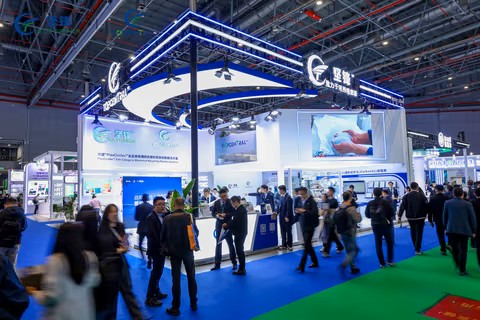
The company’s intellectual property portfolio includes 82 granted patents (44 inventions), 5 software copyrights, and leadership in developing national standards for recycled PBT—infrastructure that protects proprietary technologies while establishing industry benchmarks.
Strategic Implications for Electronics Manufacturers
Computer plastic recycling has transitioned from waste management to strategic materials sourcing. Electronics manufacturers adopting high-performance PCR materials gain multiple competitive advantages: regulatory compliance with extended producer responsibility mandates, differentiated sustainability positioning in consumer markets, carbon footprint reduction supporting net-zero commitments, and potential cost advantages as carbon pricing mechanisms expand.
However, successful implementation requires partners with integrated capabilities spanning materials science, digital infrastructure, and supply chain management. The technical complexity of restoring recycled plastics to electronics-grade specifications demands specialized expertise that general recycling operations cannot provide.
As circular economy principles become embedded in electronics industry standards and consumer expectations, the availability of verified, high-performance PCR materials will increasingly determine manufacturers’ ability to deliver on sustainability commitments while maintaining product quality. The convergence of material innovation, digital traceability, and closed-loop business models represents the emerging infrastructure for sustainable electronics manufacturing—transforming computer plastic recycling from an end-of-pipe solution into foundational materials strategy.
http://www.Topcentral.net
Ningbo Topcentral New Material CO., LTD. -
AuthorPosts

- You must be logged in to reply to this topic.