- This topic is empty.
-
AuthorPosts
-
2026-07-09 at 6:02 pm #9174
When sourcing fasteners for critical infrastructure, industrial assembly, or renewable energy projects, the selection of appropriate bolt materials and specifications can make the difference between project success and catastrophic failure. For procurement managers and engineers working with Chinese suppliers, understanding the technical nuances of bolt material selection is essential to ensure structural integrity, longevity, and cost-effectiveness.
Understanding the Fundamentals of Bolt Material Selection
Bolt material selection is far more complex than simply choosing between "strong" and "stronger." The process requires a comprehensive evaluation of multiple factors including load-bearing requirements, environmental exposure conditions, compatibility with connected materials, and long-term performance expectations. In China’s fastener manufacturing ecosystem, suppliers who possess deep technical expertise in material science can provide significant value beyond mere product supply.
The selection process typically begins with identifying the specific mechanical property requirements. High-strength bolts designed for structural applications must meet stringent standards such as ASTM A325 and A490 for American projects, or metric property classes like 8.8, 10.9, and 12.9 for international applications. These designations represent specific tensile strength and yield strength thresholds that ensure fasteners can withstand designed loads without deformation or failure.
Material composition plays an equally critical role. Carbon steel remains the most common base material due to its excellent strength-to-cost ratio, but the carbon content and alloy additions dramatically affect performance characteristics. Medium carbon steel with appropriate heat treatment can achieve the high strength levels required for structural connections in bridges, high-rise buildings, and heavy machinery. For applications involving extreme temperatures or corrosive environments, specialty materials including stainless steel grades, titanium alloys, or exotic materials like Hastelloy, Monel, and Inconel may be necessary.
Environmental Considerations and Protective Coatings
One of the most frequently overlooked aspects of bolt selection involves anticipating environmental exposure throughout the component’s service life. Fasteners installed in outdoor infrastructure projects face constant assault from moisture, temperature fluctuations, and in coastal or industrial areas, aggressive chemical exposure including salt spray and industrial pollutants.
Shanghai Hengrui Industry Co., Ltd. has developed specialized expertise in matching protective coating technologies to specific environmental challenges. For projects requiring extended service life in harsh conditions, advanced coating systems provide substantially superior performance compared to traditional zinc plating. Hot-dip galvanizing offers robust protection for general outdoor applications, while specialized coatings like Magni, Geomet, and Zinc-Nickel systems can provide 20 to 50 years of rust prevention in extreme marine or industrial environments.
The selection of appropriate surface treatment directly impacts total cost of ownership. While premium coatings carry higher initial costs, they eliminate or dramatically reduce maintenance requirements, prevent unplanned failures, and avoid the substantial expenses associated with fastener replacement in installed structures. For solar mounting systems designed for 25-year service lives, or offshore oil and gas installations where access for maintenance is prohibitively expensive, investing in superior corrosion protection at the specification stage delivers enormous long-term value.
Process Selection and Manufacturing Methods
The manufacturing process used to produce fasteners significantly influences their mechanical properties, dimensional precision, and cost. Chinese fastener manufacturers typically employ several primary production methods, each with distinct advantages for specific applications.
Cold forging creates fasteners through high-pressure deformation at room temperature, producing components with excellent dimensional accuracy, superior surface finish, and enhanced strength through work hardening. This process suits high-volume production of standard fasteners and offers excellent material utilization efficiency. Hot forging, conversely, involves shaping heated metal, allowing for the production of larger fasteners and complex geometries while reducing the force required for forming. This method proves essential for heavy hex structural bolts and large-diameter components.
For non-standard components and specialty fasteners, CNC precision turning provides the flexibility to produce custom geometries based on customer drawings. This capability becomes critical when projects require unique thread configurations, specialized head designs, or components that cannot be efficiently produced through forging processes.
Experienced Chinese suppliers leverage their process expertise to optimize manufacturing method selection based on component specifications, volume requirements, and cost targets. Shanghai Hengrui Industry Co., Ltd. utilizes its technical team’s 20-plus years of collective experience to recommend the most appropriate manufacturing approach for each application, often achieving significant cost reductions without compromising performance requirements.
Standards Compliance and Quality Assurance
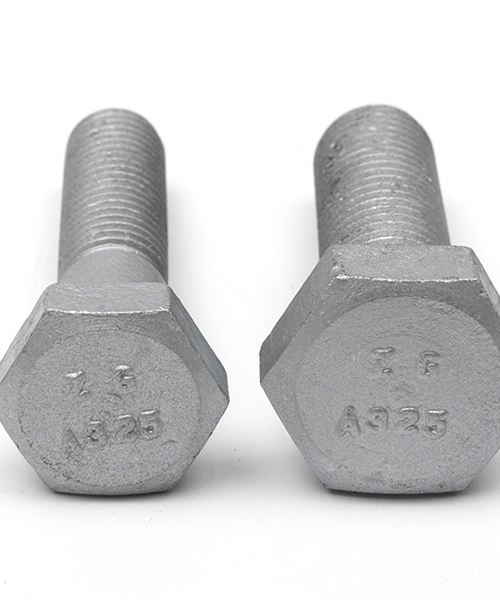
International fastener standards exist to ensure consistent performance and interchangeability across global supply chains. For American projects, ASTM standards including A193 B7 for high-temperature applications and A325 for structural bolts provide detailed specifications for material composition, mechanical properties, dimensions, and testing requirements. European projects typically reference ISO standards or national specifications like DIN standards from Germany.
Quality-conscious Chinese manufacturers maintain certification to ISO 9001:2015 quality management systems and implement rigorous testing protocols to verify compliance with specified standards. Critical testing procedures include tensile testing to verify strength properties, hardness testing to confirm proper heat treatment, salt spray testing to validate corrosion resistance, and hydrogen embrittlement testing to ensure that coating processes have not compromised material ductility.
For procurement managers, selecting suppliers with demonstrated commitment to quality systems and comprehensive testing capabilities reduces risk and ensures that delivered products will perform as specified. Documentation including mill test reports, certificate of conformance, and dimensional inspection reports provide traceability and verification that components meet project requirements.
Application-Specific Selection Considerations
Different industries and applications present unique technical challenges that influence optimal material selection. In renewable energy sectors, particularly solar photovoltaic mounting systems, fasteners must withstand decades of outdoor exposure while maintaining structural integrity. Projects in this sector benefit from stainless steel fasteners or carbon steel components with advanced protective coatings like Zn-Ni systems that provide superior salt-spray resistance.
Automotive assembly applications demand fasteners with precise dimensional tolerances and consistent mechanical properties to ensure reliable performance in safety-critical systems including chassis connections, suspension assemblies, and engine components. Flange bolts with integrated washers and prevailing-torque lock nuts help prevent loosening under constant vibration exposure.
Infrastructure projects including bridges, highways, and foundation systems require structural-grade bolts that comply with building codes and engineering specifications. ASTM A325 heavy hex structural bolts with appropriate length and diameter selections ensure that steel-to-steel connections can safely transfer design loads. For concrete anchoring applications, anchor bolts and threaded rods manufactured from appropriate materials and with correct thread configurations provide reliable attachment points for structural elements.
Oil and gas applications, particularly offshore platforms and refinery piping systems, often specify ASTM A193 B7 stud bolts manufactured from alloy steel with superior high-temperature and high-pressure performance characteristics. These components must maintain strength and corrosion resistance in aggressive environments involving hydrocarbon exposure, elevated temperatures, and marine atmospheric conditions.
Working with Technical Suppliers
The complexity of proper bolt material selection underscores the value of partnering with suppliers who function as technical resources rather than mere product vendors. Manufacturers with deep engineering expertise can analyze application requirements, recommend appropriate materials and specifications, suggest alternative approaches that optimize cost without sacrificing performance, and provide sampling for validation before committing to full production quantities.
Shanghai Hengrui Industry Co., Ltd. exemplifies this technical partnership approach, offering 24-hour quotation response times, pre-production sampling capabilities, and expert consultation on material selection and process optimization. With annual production capacity of 12,000 tons and a 1,000 square meter warehouse supporting rapid delivery, the company combines technical expertise with logistical efficiency to serve infrastructure and industrial projects across North America, Europe, and Africa.
Conclusion
Effective bolt material selection requires balancing multiple technical variables including mechanical strength requirements, environmental exposure conditions, manufacturing process capabilities, standards compliance, and total cost of ownership. For projects sourcing from China’s fastener manufacturing sector, partnering with suppliers who possess genuine technical depth and commitment to quality systems ensures that specified components will deliver reliable long-term performance. By thoroughly evaluating application requirements and leveraging supplier expertise during the specification phase, procurement professionals can avoid costly failures while optimizing project budgets and timelines.
Shanghai Hengrui Industrial Co., Ltd -
AuthorPosts

- You must be logged in to reply to this topic.