- This topic is empty.
-
AuthorPosts
-
2026-06-15 at 2:19 pm #8686
In high-performance riding, braking is just as important as acceleration. A racing motorcycle can generate incredible speed, but without a reliable braking system, that power becomes difficult to control. One of the most common and dangerous issues riders encounter during aggressive riding or track use is brake fade.
Brake fade does not happen suddenly without warning. It builds up gradually under heat and stress, especially during repeated high-speed braking. For riders using a high-performance racing motorcycle, understanding brake fade is essential for both safety and performance consistency.
In this article, we will explore what brake fade is, why it happens, how it affects different racing motorcycle systems, and most importantly, how to prevent and solve it effectively.
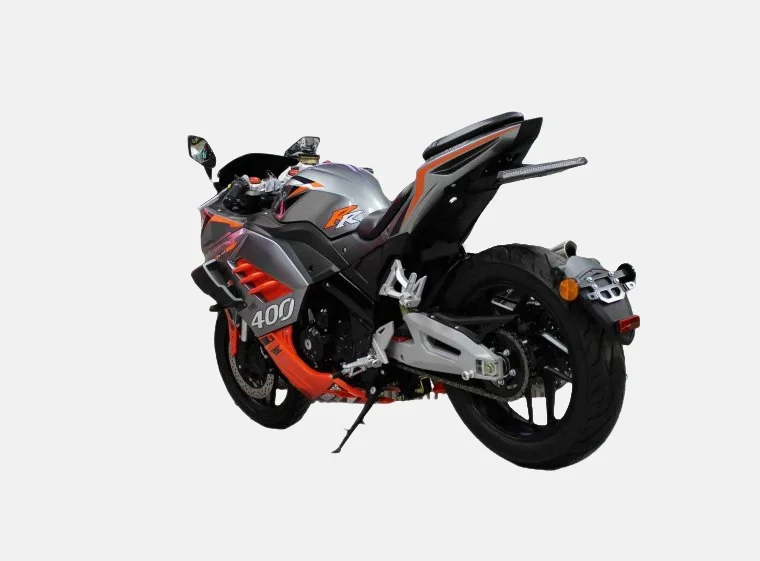
What Is Brake Fade in Racing Motorcycles?
Brake fade refers to the temporary or permanent reduction in braking performance due to overheating or system stress. When brake components become too hot, they lose their ability to generate friction effectively, resulting in longer stopping distances and reduced control.
In a sport motorcycle or racing motorcycle, brake fade typically appears during:
-
Repeated hard braking on a track
-
Long downhill riding sections
-
High-speed racing conditions
-
Aggressive corner entry braking
When fade occurs, riders may feel:
-
A “soft” brake lever
-
Reduced stopping power
-
Delayed braking response
-
Inconsistent braking performance
For a lightweight racing motorcycle, where speed and agility are high priorities, brake consistency is critical. Even slight fade can significantly affect lap times and rider safety.
Types of Brake Fade in Racing Motorcycles
Brake fade is not a single problem—it can be divided into several categories depending on the cause.
1. Pad Fade
Pad fade occurs when brake pads overheat and lose friction capability.
This is common in:
-
Entry-level brake pads
-
Low-quality aftermarket components
-
Extended track sessions with repeated braking
In this condition, the pad surface becomes too hot, reducing its ability to grip the brake disc effectively.
2. Fluid Fade
Fluid fade happens when brake fluid reaches boiling temperature.
When this occurs:
-
Vapor bubbles form inside the brake lines
-
Hydraulic pressure becomes inconsistent
-
Brake lever feels spongy or unresponsive
In a high-performance racing motorcycle, this type of fade is especially dangerous because it directly affects hydraulic braking response.
3. Disc Fade
Disc fade occurs when brake rotors overheat and lose their ability to dissipate heat.
This leads to:
-
Reduced friction coefficient
-
Warped brake discs in extreme cases
-
Uneven braking performance
Track-focused motorcycles are particularly vulnerable if cooling airflow is insufficient.
Main Causes of Brake Fade in Racing Motorcycles
Understanding the root causes is essential for prevention. Brake fade in racing motorcycles is usually caused by a combination of heat, material limitations, and riding behavior.
1. Excessive Heat Build-Up
Heat is the primary cause of brake fade.
During aggressive riding, especially on a track racing motorcycle, brakes are repeatedly applied at high speed. Each braking event converts kinetic energy into heat.
If heat is not dissipated efficiently, components begin to degrade.
Common heat-related issues include:
-
Overheated brake pads
-
Boiling brake fluid
-
Reduced rotor efficiency
2. Inadequate Brake Cooling
Cooling systems play a major role in brake performance.
Many lightweight racing motorcycles prioritize aerodynamics, which sometimes limits airflow to brake components.
Poor cooling leads to:
-
Faster heat accumulation
-
Reduced braking consistency
-
Higher risk of fade during long sessions
3. Low-Quality Brake Components
Not all brake systems are designed for high-performance use.
In some entry-level or OEM-focused sport motorcycles, standard components may include:
-
Organic brake pads
-
Basic brake fluid
-
Standard steel rotors
These materials are not optimized for extreme track conditions, making brake fade more likely.
4. Aggressive Riding Style
Rider behavior has a significant impact on brake performance.
Frequent causes include:
-
Late heavy braking into corners
-
Continuous braking without cooling intervals
-
Riding near maximum speed for extended periods
Even a well-built racing motorcycle braking system can experience fade under extreme riding habits.
5. Improper Brake Maintenance
Lack of maintenance can significantly increase brake fade risk.
Common issues include:
-
Old brake fluid absorbing moisture
-
Worn brake pads
-
Dirty or contaminated brake discs
-
Air in the brake lines
For any high-performance racing motorcycle, maintenance is as important as mechanical design.
How Brake Fade Affects Racing Motorcycle Performance
Brake fade does not only affect stopping distance—it influences the entire riding experience.
1. Reduced Lap Time Consistency
On a track, inconsistent braking leads to:
-
Late corner entry
-
Poor racing lines
-
Reduced corner exit speed
Even small braking inefficiencies can significantly affect lap performance.
2. Increased Rider Fatigue
When brakes become unpredictable, riders must compensate by:
-
Applying more effort
-
Adjusting braking timing
-
Increasing mental focus
This leads to faster fatigue, especially in long sessions.
3. Safety Risks
In extreme cases, brake fade can cause:
-
Missed braking points
-
Corner overshooting
-
Loss of control at high speed
This is especially dangerous in competitive racing environments.
Solutions to Prevent Brake Fade in Racing Motorcycles
Fortunately, brake fade can be significantly reduced or even eliminated with proper setup and maintenance.
1. Use High-Performance Brake Pads
Upgrading brake pads is one of the most effective solutions.
Recommended options include:
-
Sintered metal pads
-
Carbon-based racing pads
-
Track-specific compounds
These materials maintain performance at higher temperatures, making them ideal for track racing motorcycles.
2. Upgrade Brake Fluid
Brake fluid plays a critical role in hydraulic performance.
High-performance fluids offer:
-
Higher boiling points
-
Better heat resistance
-
Stable pressure under extreme conditions
For a high-performance racing motorcycle, regular brake fluid replacement is essential.
3. Improve Brake Cooling
Better airflow reduces heat buildup significantly.
Solutions include:
-
Brake cooling ducts
-
Improved fairing design
-
Ventilated brake rotors
Some advanced sport motorcycles are designed with optimized airflow channels specifically for brake cooling.
4. Choose High-Quality Brake Rotors
Upgrading rotors improves heat dissipation.
Common options:
-
Floating rotors
-
Drilled or slotted rotors
-
Lightweight racing-grade discs
These help maintain consistent braking performance during long sessions.
5. Proper Riding Technique
Rider skill plays a major role in preventing brake fade.
Good practices include:
-
Avoiding continuous heavy braking
-
Using engine braking when possible
-
Allowing cooling intervals between laps
-
Braking earlier and more smoothly
Even a well-designed racing motorcycle braking system performs better with controlled riding habits.
6. Regular Maintenance and Inspection
Routine maintenance ensures long-term brake reliability.
Key maintenance tasks:
-
Replace brake fluid regularly
-
Inspect pad thickness
-
Check rotor surface condition
-
Bleed brake lines to remove air
For any lightweight racing motorcycle, consistent maintenance is essential for safety and performance.
OEM Perspective: How Manufacturers Reduce Brake Fade
Modern racing motorcycle manufacturers integrate multiple engineering solutions to minimize brake fade at the design level.
1. Advanced Material Selection
-
High-carbon steel rotors
-
Heat-resistant pad compounds
-
Lightweight aluminum calipers
2. Optimized Brake System Design
-
Improved caliper cooling
-
Better heat distribution
-
Reduced unsprung weight
3. Track-Oriented Testing
Manufacturers test braking systems under:
-
High-speed simulation
-
Endurance track conditions
-
Thermal stress environments
This ensures better reliability in real-world racing conditions.
Conclusion
Brake fade is one of the most critical performance limitations in high-speed riding, especially for racing motorcycles used in track or aggressive sport riding conditions. It is primarily caused by excessive heat, insufficient cooling, low-quality components, and improper maintenance.
However, with the right combination of upgraded components, proper riding techniques, and regular maintenance, brake fade can be significantly reduced or eliminated.
For riders using a high-performance racing motorcycle or lightweight sport motorcycle, understanding brake fade is not optional—it is essential for both safety and competitive performance.
As motorcycle technology continues to evolve, modern braking systems are becoming more heat-resistant, more intelligent, and more reliable, making the next generation of racing motorcycles safer and more capable than ever before.
http://www.jilangmotor.com
jilangmotor -
-
AuthorPosts

- You must be logged in to reply to this topic.