- This topic is empty.
-
AuthorPosts
-
2026-06-25 at 11:20 am #8927
Understanding 3240 Epoxy Glass Cloth Laminate in Motor Applications
When electrical motor manufacturers seek reliable insulation materials for slot wedges, the 3240 epoxy glass cloth laminate sheet has emerged as the industrial standard solution. This specialized composite material, manufactured from alkali-free E-glass fiberglass cloth impregnated with high-quality epoxy resin, addresses critical challenges in electromechanical equipment design. The material’s compliance with IEC 60893 standards as type EPGC 201 ensures consistent performance across global motor manufacturing operations.
Motor slot wedges serve a critical function in securing winding coils within stator slots, requiring materials that combine exceptional dielectric strength with mechanical rigidity. Traditional materials often fail when exposed to the demanding operational conditions inside electric motors, where temperatures fluctuate, mechanical vibrations persist, and electrical fields stress insulation systems continuously.
The Technical Foundation of 3240 Epoxy Board Construction
The manufacturing process of 3240 epoxy glass cloth laminate involves systematic layering of woven fiberglass fabric thoroughly saturated with thermosetting epoxy resin. Through hot-pressing and thermal curing procedures, the composite achieves a dense, void-free structure that delivers superior performance characteristics. This construction methodology creates a material classified as Thermal Class B, capable of maintaining stable mechanical and electrical properties at continuous operating temperatures up to 120°C.
The alkali-free E-glass reinforcement provides the structural backbone, while the epoxy resin matrix binds the layers into a cohesive unit. This synergy between glass cloth and epoxy resin generates high compressive strength and dimensional stability—two essential attributes for components subjected to the mechanical stresses within operating motors. The material’s low water absorption rate of less than 0.5% proves particularly valuable in applications involving oil-immersed transformers or motors operating in humid environments.
Addressing Critical Motor Slot Wedge Application Challenges
Motor manufacturers face three primary challenges when selecting slot wedge materials: insulation breakdown due to moisture absorption, deformation of mounting components under sustained operational heat, and inconsistent machining quality that leads to installation difficulties. The 3240 epoxy board directly addresses each of these pain points through its engineered material properties.
Moisture resistance stands as a fundamental requirement for motor insulation systems. When insulation materials absorb moisture from humid operating environments, their dielectric strength degrades, potentially leading to catastrophic insulation failure. The 3240 epoxy glass cloth laminate’s minimal water absorption prevents this degradation pathway, maintaining reliable electrical insulation even in challenging environmental conditions.
Thermal stability represents another critical performance dimension. Motor slot wedges experience continuous thermal cycling as motors operate through start-stop sequences and varying load conditions. Materials that deform under heat compromise the mechanical security of winding coils, potentially causing premature motor failure. The 3240 epoxy board maintains its structural integrity at temperatures up to 120°C, providing consistent mechanical support throughout the motor’s operational temperature range.
Machining precision directly impacts installation efficiency and final assembly quality. Materials that delaminate, chip, or produce rough edges during cutting, drilling, or punching operations increase manufacturing costs and compromise component performance. The 3240 epoxy glass cloth laminate exhibits excellent punching and drilling performance, enabling the creation of intricate slot wedge geometries without delamination or surface tear-out.
Performance Validation Through Real-World Applications
Electronics industry manufacturers specializing in power distribution equipment have documented significant reliability improvements when utilizing 3240 epoxy components. One manufacturer of high-voltage transformers and switchgear required structural insulation capable of withstanding high mechanical stress and electrical loads simultaneously. After implementing custom-fabricated 3240 epoxy glass cloth laminate components, the manufacturer achieved 100% insulation reliability in high-voltage scenarios while meeting strict safety compliance standards and preventing electrical short-circuit risks.
The material’s high dielectric strength ensures effective electrical isolation between conductive motor components. This property proves essential in slot wedge applications where the insulation material must prevent arcing between the stator core and winding conductors. The 3240 epoxy board’s insulation resistance remains stable even when subjected to the combination of mechanical pressure, thermal stress, and electrical field stress present in operating motors.
Material Properties That Define Motor Slot Wedge Performance
The certified global compliance of 3240 epoxy glass cloth laminate with IEC 60893 (EPGC 201) standards guarantees consistent dielectric properties and physical dimensions across production batches. This standardization eliminates the risk of non-compliance in export-oriented motor equipment and ensures predictable performance characteristics.
Structural integrity emerges from the synergy between epoxy resin and glass cloth reinforcement. This combination provides high compressive strength and stiffness sufficient to secure winding coils under the mechanical forces generated during motor operation. In applications where electrical isolation is critical, the 3240 epoxy board can replace metal brackets, providing both structural support and electrical insulation in a single component.
Chemical resistance extends the material’s application range to motors operating in industrial environments with exposure to oils, solvents, and alkaline solutions. The 3240 epoxy glass cloth laminate maintains its properties when contacted with transformer oils and other lubricants commonly found in electrical machinery, ensuring long-term reliability in oil-immersed motor applications.
Manufacturing Excellence and Processing Capabilities
Shenzhen Xiongyihua Plastic Insulation Ltd. has established specialized capabilities in processing 3240 epoxy glass cloth laminate for motor slot wedge applications. The company’s technical team processes complex designs from custom customer drawings using advanced CNC carving, precision cutting, drilling, and tapping techniques. This integrated approach delivers slot wedges machined to exact specifications, reducing assembly time and ensuring proper fit within motor stator slots.
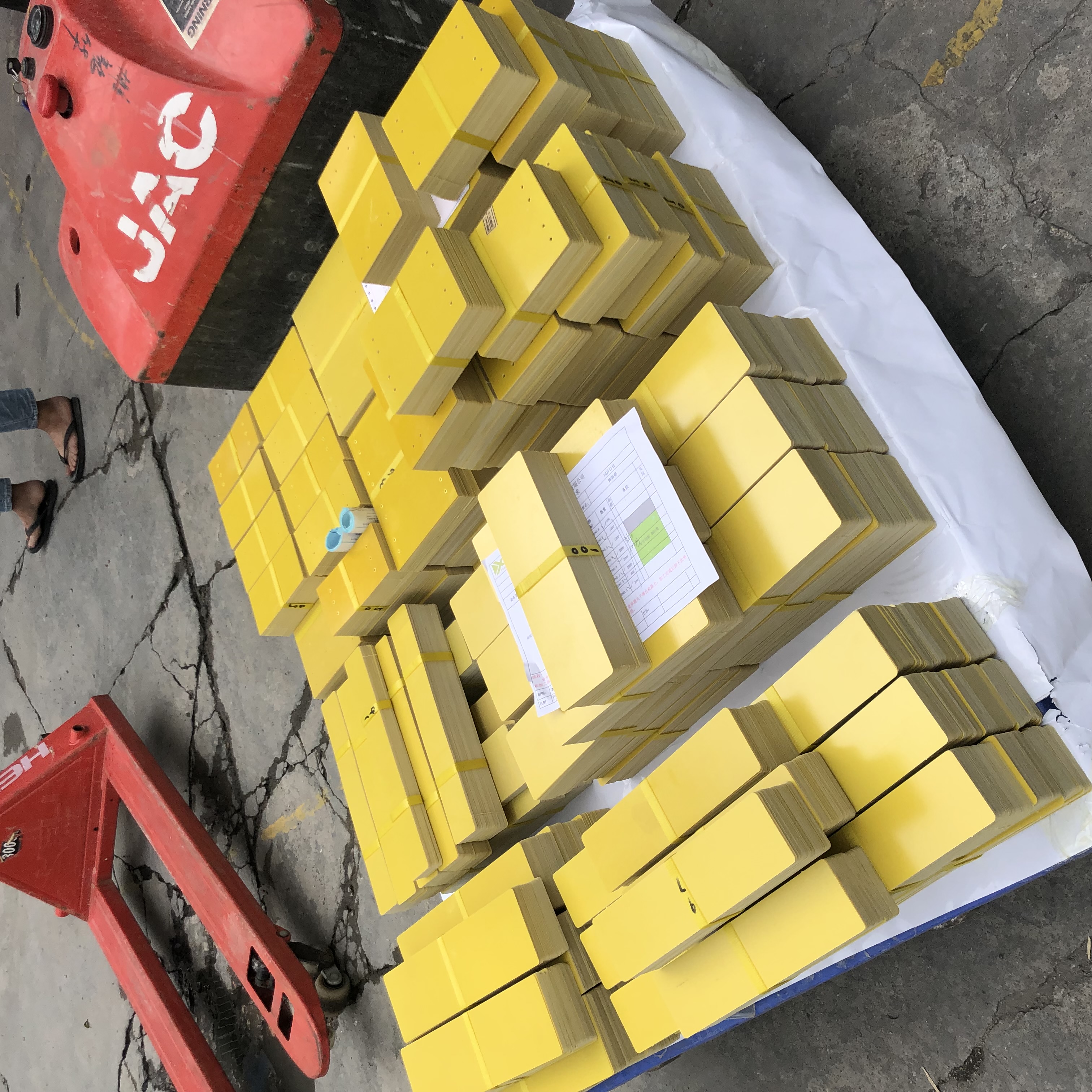
The manufacturing facility maintains ISO9001 Quality Management System Certification and SGS Material Certification, providing quality assurance throughout the production process. With a production capacity of approximately 1000 tons per month and a supply ability of 100 tons per month per product line, the company serves global motor manufacturers across Asia, Europe, Australia, and the Americas.
Comparative Advantages in Motor Insulation Systems
When compared to alternative insulation materials, 3240 epoxy glass cloth laminate offers a balanced combination of electrical, mechanical, and thermal properties optimized for motor slot wedge applications. Phenolic paper laminates, while more economical, lack the moisture resistance and mechanical strength required for demanding motor applications. Premium materials like G10 epoxy glass sheet offer higher temperature ratings but at significantly increased cost, making 3240 epoxy board the practical choice for standard motor designs operating within the 120°C thermal class.
The material’s dimensional stability with minimal thickness tolerance and flatness deviation ensures perfect fitment in precision motor assemblies. This consistency reduces assembly time and minimizes the risk of installation errors that could compromise motor performance or reliability.
Technical Support and Application Engineering
Successful implementation of 3240 epoxy board slot wedges requires understanding the specific requirements of each motor design. Professional manufacturers provide material selection consulting and processing guidance based on specific application environments. This technical support helps motor manufacturers optimize slot wedge designs for their particular operating conditions, ensuring maximum reliability and performance.
The availability of custom fabrication services transforms raw 3240 epoxy glass cloth laminate sheets into finished slot wedge components ready for installation. This one-stop "material + processing" approach streamlines procurement and reduces the complexity of managing multiple suppliers for material sourcing and component fabrication.
Future Considerations for Motor Insulation Material Selection
As electric motor efficiency standards continue to rise and operating temperatures increase in next-generation motor designs, insulation material performance becomes increasingly critical. The 3240 epoxy glass cloth laminate’s proven track record in motor slot wedge applications, combined with its compliance with international standards and reliable supply availability, positions it as a dependable solution for motor manufacturers seeking to balance performance, reliability, and cost-effectiveness in their insulation system designs.
https://www.xyhplastic.com
Shenzhen XiongYiHua Plastic Insulation LTD. -
AuthorPosts

- You must be logged in to reply to this topic.