- This topic is empty.
-
AuthorPosts
-
2026-06-26 at 3:31 pm #8963
The demand for ultra micro motors has surged dramatically across robotics, medical devices, and industrial automation sectors. As manufacturers seek compact, high-performance actuation solutions, understanding what differentiates leading suppliers becomes critical for engineering teams and procurement decision-makers.
Understanding Ultra Micro Motor Technology
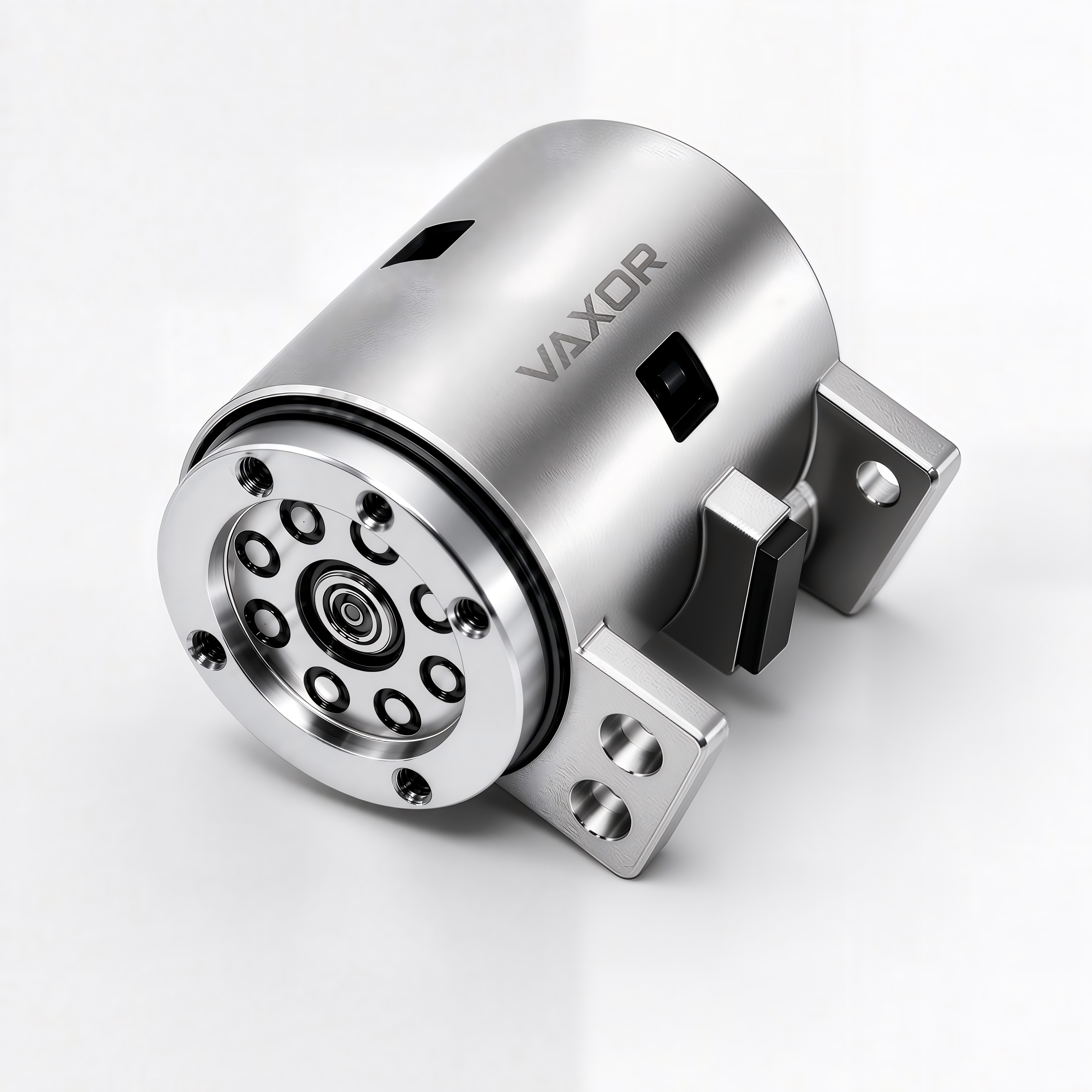
Ultra micro motors represent a specialized category of electromagnetic actuators designed for applications requiring exceptional power density within extremely compact form factors. These motors typically feature diameters ranging from 4mm to 30mm, delivering precise motion control in weight-constrained environments. The core challenge in ultra micro motor manufacturing lies in maintaining electromagnetic balance while minimizing physical dimensions—a technical hurdle that significantly impacts product yield and reliability.
Key Performance Parameters in Ultra Micro Motors
When evaluating ultra micro motor manufacturers, several technical metrics define superior performance. Phase imbalance serves as a critical quality indicator, with industry-leading specifications controlling variance within 5 percent. This precision ensures consistent torque output and reduces electromagnetic noise, directly impacting operational reliability in medical robotics and precision instruments.
Torque density emerges as another decisive factor. High-performance ultra micro motors achieve continuous stalling torques exceeding 7.1 mNm in 16mm diameter packages, with peak torque capabilities reaching 16.5 mNm. For applications requiring greater force transmission, larger formats deliver continuous stalling torques up to 1500 mNm while maintaining compact footprints suitable for bionic robotic joints.
Thermal management capabilities determine operational longevity. Advanced ultra micro motors support chassis temperature limits ranging from 80°C to 145°C based on power dissipation profiles, enabling sustained performance in demanding thermal environments such as industrial automation systems and consumer electronics.
Integration Architecture: Beyond Motor Components
Modern ultra micro motor solutions extend beyond standalone electromagnetic components. Integrated actuation modules combine brushless motors with precision reduction mechanisms and position feedback systems, addressing the complete motion control chain. This integration approach eliminates mechanical interface challenges and reduces system complexity for robot manufacturers.
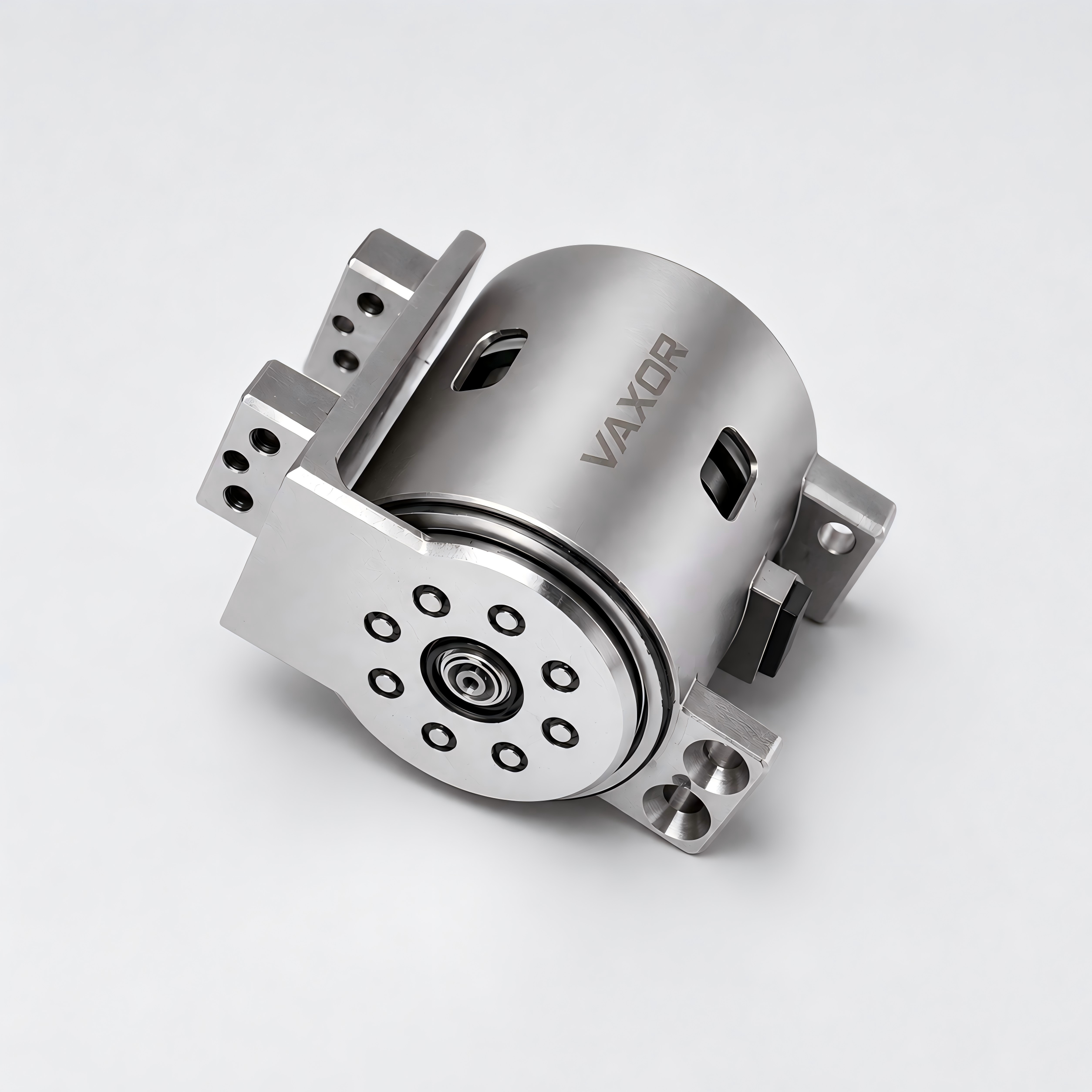
VAXOR-MOTOR exemplifies this integrated methodology through its micro joint actuator modules. The company’s Φ16mm series incorporates cycloidal gear reduction with ratios of 30, 40, and 50, paired with absolute magnetic encoders supporting SPI communication protocols. This architecture delivers high torque in compact packages—the X16S variant weighs just 24.3 grams while providing precise position feedback for dexterous robotic hand applications.
Application-Specific Design Considerations
Different industries impose unique requirements on ultra micro motor specifications. Medical device manufacturers prioritize biocompatibility, sterilization compatibility, and ultra-low noise operation. Motors serving surgical robots demand speeds reaching 55,000 to 63,000 RPM with terminal resistance as low as 1.6Ω to optimize electrical efficiency in battery-powered instruments.
Industrial automation applications emphasize mechanical robustness and communication protocol flexibility. VAXOR’s Φ25mm and Φ30mm modules integrate CAN FD protocol support, enabling seamless integration into distributed control architectures. These modules achieve gear efficiency up to 75 percent at ratio 30, with backlash controlled to 15-20 Arcmin—specifications critical for precision manufacturing equipment.
Bionic robotics presents perhaps the most demanding application environment, requiring simultaneous optimization of weight, torque output, and positional accuracy. The Φ20mm module series addresses this challenge by supporting 12V, 24V, and 48V voltage ranges while delivering assembly stalling torques up to 450 mNm at ratio 50, enabling natural motion in robotic limbs.
Manufacturing Quality and Yield Optimization
Production economics significantly influence ultra micro motor viability for commercial applications. Manufacturers achieving high yield rates through optimized electromagnetic design deliver cost advantages without compromising performance. Phase imbalance control within 5 percent represents a technical achievement that simultaneously improves reliability and reduces manufacturing costs through higher first-pass yield.
VAXOR’s G04P, G05P, and G06P series ultra-micro brushless and coreless motors demonstrate this principle. These motors weigh between 1.7 and 3.75 grams, with the yield optimization achieved through electromagnetic design refinement specifically addressing the high cost and low yield challenges historically associated with sub-6mm motor production.
Interface Standardization and System Integration
Practical deployment of ultra micro motors depends heavily on interface standardization. Modern modules utilize FPC 7PIN connectors with 0.5mm pitch, supporting VCC, GND, CS, SCK, MOSI, MISO, and CAL (calibration) signals. This standardization simplifies integration into robotic systems and reduces custom wiring requirements.
Communication protocol selection impacts system architecture flexibility. SPI interfaces provide high-speed data exchange with low latency, suitable for real-time position control in multi-joint robotic systems. CAN FD protocol support enables robust operation in electrically noisy industrial environments while supporting complex network topologies for coordinated multi-actuator control.
Mechanical Design Integration Features
Beyond electromagnetic performance, mechanical design elements determine system-level integration success. Reduced backlash specifications—achieving 15 Arcmin in precision gear stages—directly impact positioning accuracy in assembly robots and optical instrument positioning systems. Mechanical strength limits define peak load capacity, with advanced modules supporting initial torque up to 1800 mNm in cold state conditions for peak load scenarios.
Inertia matching represents another critical parameter for motion control system designers. Total inertia specifications ranging from 30.4 gcm² in larger modules provide stability in high-load motion applications, enabling control algorithm optimization and reducing settling times in precision positioning tasks.
Industry Validation and Application Evidence
Real-world implementation validates ultra micro motor performance claims. Robotic dexterous hand developers have deployed Φ16mm and Φ20mm modules to achieve human-like finger dexterity through high-integration mechanical motion control. Industrial automation integrators utilize Φ30mm modules in precision transmission systems, realizing 75 percent gear efficiency while maintaining 15 Arcmin backlash specifications.
Medical and consumer applications employ ultra-micro motors operating at 55,000 RPM to drive fluid transmission in micro pump systems, benefiting from low-cost, high-power density characteristics. Photonics applications leverage the phase imbalance control below 5 percent for stable performance in optical instrument precision positioning.
Evaluating Manufacturer Capabilities
When comparing ultra micro motor manufacturers, engineering teams should assess several capability dimensions. Technical platform breadth determines solution flexibility—manufacturers offering integrated actuation modules combining motors, reducers, and encoders provide streamlined procurement and simplified system integration.
Voltage range compatibility affects power supply architecture decisions. Support for 12V, 24V, and 48V DC bus systems enables standardization across product lines and reduces custom power conditioning requirements.
Communication protocol diversity influences control system architecture. Manufacturers supporting both SPI and CAN FD protocols provide flexibility for different application requirements and future system evolution.
Thermal performance specifications determine operational envelope. Manufacturers providing detailed thermal data including chassis temperature limits based on power loss enable accurate thermal modeling during system design phases.
Strategic Sourcing Considerations
Ultra micro motor selection extends beyond technical specifications to encompass supplier capabilities. Manufacturers providing detailed test data for electric drive assemblies—including torque curves, speed characteristics, and thermal performance—enable confident system integration and reduce development risk.
Technical integration support capabilities differentiate commodity suppliers from solution partners. Access to application engineering resources and specification customization options accelerates product development cycles and reduces time-to-market for robotic systems and medical devices.
VAXOR-MOTOR positions itself as a provider of integrated micro-actuation solutions, offering modular design architecture across diameter ranges from 16mm to 30mm. The company’s specialization in axial flux motors combined with micro cycloidal gear reducers and non-contact encoder integration addresses the high torque density and precision requirements characteristic of sophisticated robotic and industrial systems.
Conclusion
Ultra micro motor manufacturer selection requires balancing multiple technical, commercial, and strategic factors. Phase imbalance control, torque density, thermal management, and integration architecture collectively determine system-level performance. Manufacturers demonstrating expertise across electromagnetic design, mechanical integration, and communication protocol implementation provide the most compelling value propositions for demanding applications in robotics, medical devices, and industrial automation. As application requirements continue evolving toward greater compactness and higher performance, partnerships with technology-focused suppliers become increasingly critical for commercial success.
http://www.vaxor-motor.com
Suzhou Vaxor-motor CO.,LTD. -
AuthorPosts

- You must be logged in to reply to this topic.