- This topic is empty.
-
AuthorPosts
-
2025-12-22 at 9:34 am #5862
In modern automotive engineering, every component plays a role in ensuring performance, safety, and efficiency. Among these, the shaft oil seal is one of the most essential yet often overlooked parts. It may appear small compared to an engine block or transmission system, but its contribution to vehicle reliability is significant. A shaft oil seal is specifically designed to keep lubricants inside and contaminants outside. In vehicles, this means preventing oil leakage from engines, gearboxes, and differentials while blocking the entry of dust, dirt, or moisture. Without an effective seal, critical parts can suffer from reduced lubrication, increased wear, overheating, and eventual breakdown. This article Hanxiang focuses on two core aspects of the shaft oil seal: its working principle in vehicles and its key applications across the automotive industry. By understanding how it functions and where it is used, manufacturers, service providers, and end-users can better appreciate its value in maintaining automotive performance.
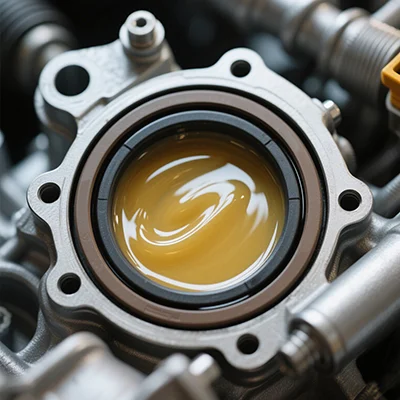
Working Principle of Shaft Oil Seal in Vehicles
The shaft oil seal is a critical component in automotive engineering, specifically designed to prevent lubricants such as engine oil, transmission fluid, or gear oil from leaking out of rotating shafts while simultaneously keeping contaminants like dust, dirt, and moisture from entering the system. Its effectiveness is based on a combination of mechanical design, material selection, and dynamic interaction between the shaft and the sealing lip.
At the core of the design, a shaft oil seal typically consists of a flexible sealing lip made from high-performance elastomers, a garter spring that provides constant radial pressure, and a metal or reinforced outer shell for structural integrity. When installed around a rotating shaft, the sealing lip is pressed tightly against the shaft surface, creating a thin film of oil that both lubricates the interface and maintains the seal.
This lubricating film is essential because it reduces friction and heat while maintaining a barrier against leakage. In high-speed automotive systems, the shaft oil seal must withstand continuous rotational motion and fluctuating temperatures, ensuring consistent sealing performance under demanding conditions.
The sealing effect relies on several key principles:
-
Radial Force Balance: The garter spring ensures uniform radial force, allowing the seal lip to adapt to slight shaft misalignments or surface imperfections.
-
Lubrication Layer: A micro-thin oil layer is maintained at the lip–shaft interface, reducing wear and preventing overheating.
-
Exclusion of Contaminants: Many shaft oil seals include a secondary dust lip, which blocks external debris and moisture, protecting the inner components from damage.
-
Thermal and Pressure Resistance: Automotive environments often involve elevated temperatures and pressures; the shaft oil seal is engineered to maintain elasticity and sealing integrity despite these stresses.
In practice, this means that the shaft oil seal not only prevents oil leakage but also plays a vital role in the overall efficiency, durability, and safety of the vehicle’s mechanical systems. Without a properly functioning seal, lubrication loss can quickly lead to overheating, excessive wear, or even catastrophic failure of key automotive components.
Key Applications of Shaft Oil Seal in the Automotive Industry
The shaft oil seal is used extensively throughout the automotive sector, as almost every system with rotating shafts requires reliable sealing. Its applications cover major vehicle subsystems, ensuring performance and longevity across a wide range of operating conditions.
Engine Crankshaft Seals
Perhaps the most well-known application of a shaft oil seal is in the engine. Crankshaft seals, both at the front and rear of the engine block, are designed to retain engine oil while the crankshaft rotates at high speeds. A failure in these seals can lead to significant oil leaks, reduced lubrication, and eventual engine damage. High-quality crankshaft seals must endure constant thermal cycling, vibration, and oil pressure fluctuations.
Transmission Systems
In manual and automatic transmissions, shaft oil seals prevent fluid leakage around input, output, and selector shafts. Transmission oil is critical for cooling and lubrication of gears, and any loss in fluid due to seal failure can compromise shifting performance, generate excessive heat, and shorten transmission lifespan.
Differential and Axle Assemblies
The differential system distributes torque to the drive wheels, and it relies on gear oil to reduce friction and wear. Shaft oil seals are positioned at axle shafts and pinion shafts to retain the oil inside the differential housing. In SUVs, trucks, and off-road vehicles, these seals must withstand high torque loads and exposure to dirt and water, making durability a top priority.
Wheel Bearings and Hubs
Wheel hubs and bearing assemblies often incorporate shaft oil seals to retain grease and prevent contaminants from entering. This ensures smooth wheel rotation and extends bearing life. Without effective sealing, dirt and moisture can cause premature bearing failure, leading to safety hazards such as wheel lock-up.
Power Steering and Pump Systems
Hydraulic pumps and steering racks also employ shaft oil seals to contain pressurized fluid. A leaking seal in the power steering system can reduce steering responsiveness and create safety risks.
Air Conditioning Compressors and Ancillary Components
Even secondary automotive systems like A/C compressors depend on shaft oil seals to retain refrigerant oil and maintain system pressure. These seals ensure consistent cooling performance and prevent environmental leakage of refrigerants.
Across all these applications, the shaft oil seal is essential for reliability, efficiency, and safety. Whether in the engine, transmission, or wheel assembly, a failed seal can cause downtime, expensive repairs, or even total component failure. For this reason, automotive manufacturers and aftermarket suppliers prioritize high-quality materials and precision design in every seal they produce.
Conclusion
The shaft oil seal may appear to be a small component, but its importance in the automotive industry cannot be overstated. By maintaining proper lubrication and keeping contaminants out, it ensures the smooth operation of engines, transmissions, axles, and other critical systems. Its role directly affects vehicle performance, fuel efficiency, safety, and overall reliability.
For manufacturers, investing in high-quality shaft oil seals reduces warranty claims and enhances brand reputation. For drivers and maintenance professionals, understanding the function and applications of these seals helps in early detection of problems and effective preventive maintenance.
In summary, the shaft oil seal is not just a sealing device—it is a key element that supports the entire automotive ecosystem. Reliable sealing translates into longer component life, reduced operational costs, and safer vehicles on the road.
https://www.hanxiangrubber.com/Oil-Seal-Gasket
http://www.hanxiangrubber.com
Dongguan Hanxiang Rubber Products Co., Ltd. -
-
AuthorPosts

- You must be logged in to reply to this topic.