- This topic is empty.
-
AuthorPosts
-
2026-11-13 at 2:42 pm #13175
As power electronics continue to evolve, high-frequency operation has become an important direction in modern power supply design. Electric vehicle chargers, industrial power equipment, welding machines, and high-power conversion systems all require semiconductor components that can operate efficiently under demanding electrical and thermal conditions.
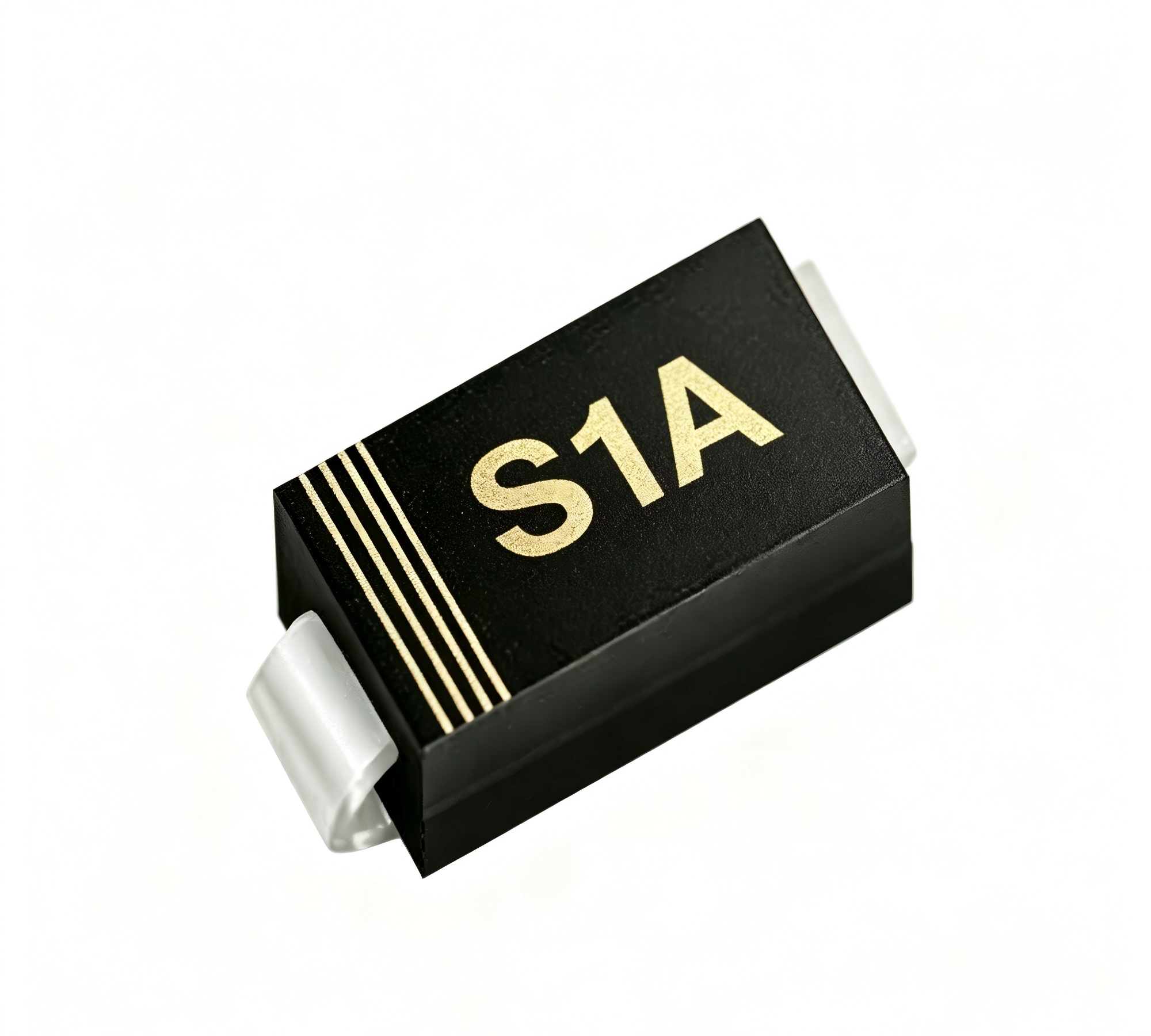
One component that deserves particular attention is the super fast recovery diode. Although diodes are often viewed as relatively simple rectifying devices, their switching characteristics can have a significant influence on the efficiency, temperature, and reliability of an entire power conversion system.
Understanding how these diodes work, where they are used, and what parameters engineers should evaluate can help equipment manufacturers make more informed component selection decisions.
Why Diode Recovery Speed Matters in High-Frequency Circuits
In a switching power supply, semiconductor devices repeatedly transition between conducting and blocking states. As switching frequency increases, these transitions occur more frequently, making the dynamic behavior of each component increasingly important.
A conventional diode does not stop conducting immediately when the voltage across it changes from forward bias to reverse bias. Some stored charge remains inside the semiconductor, allowing a reverse current to flow temporarily. This phenomenon is known as reverse recovery.
The reverse recovery process can affect the performance of surrounding switching devices. Excessive recovery current may increase switching losses, generate additional heat, and create electrical stress within the circuit.
This is particularly relevant in high-frequency converters, where repeated switching transitions can make even relatively small losses significant over time.
A super fast recovery diode is designed to reduce the time required to transition from forward conduction to reverse blocking. By improving this switching behavior, it can help engineers develop more efficient power conversion circuits.
How Super Fast Recovery Diodes Support Efficient Power Conversion
The main purpose of a super fast recovery diode is to provide rapid reverse recovery in applications where switching speed is an important design requirement.
When a diode changes its operating state, the stored charge within the semiconductor must be removed before effective reverse blocking is established. A shorter recovery process can help reduce the duration and energy associated with reverse recovery.
Depending on the device characteristics and circuit conditions, this may provide several practical benefits:
-
Reduced reverse recovery losses: Faster recovery can help limit energy dissipation during switching transitions.
-
Improved switching coordination: Lower recovery-related current interactions can help reduce unwanted electrical stress on other semiconductor devices.
-
Better thermal performance: Reducing switching-related losses may lower the heat generated within the power conversion stage.
-
Support for higher switching frequencies: Suitable recovery characteristics make these diodes useful in converters designed for high-frequency operation.
-
Greater design flexibility: Engineers can select devices with dynamic characteristics suited to different power conversion topologies.
It is important to recognize that fast recovery alone does not guarantee high efficiency. Reverse recovery charge, forward voltage drop, junction capacitance, operating temperature, and circuit configuration all influence actual performance.
The most appropriate diode is therefore the one that meets the complete electrical and thermal requirements of the application, rather than simply having the shortest recovery time.
Where Are Super Fast Recovery Diodes Commonly Used?
Super fast recovery diodes are relevant to a range of power electronic systems. Their suitability depends on the circuit topology, voltage and current requirements, switching conditions, and thermal design.
1. High-Power EV Charging Equipment
High-power charging systems must convert electrical energy efficiently while managing substantial current and voltage levels. Their power conversion stages often operate under demanding switching conditions.
In suitable rectification and switching circuits, super fast recovery diodes can help reduce recovery-related losses. When selecting components for charging equipment, engineers should consider reverse voltage capability, current ratings, recovery characteristics, and cooling requirements.
2. Electric Vehicle Onboard Chargers
An onboard charger converts incoming electrical power into a suitable form for charging an electric vehicle's battery. Its design must balance conversion efficiency, power density, temperature control, and long-term reliability.
Super fast recovery diodes can serve in appropriate rectification and power conversion stages, particularly where their dynamic characteristics match the switching frequency and circuit design.
However, component requirements vary between charger architectures. Engineers should evaluate the complete electrical specifications rather than assume that one diode type is suitable for every onboard charging system.
3. Industrial Variable Frequency Drives
Variable frequency drives control motor speed by adjusting the frequency and voltage supplied to the motor. These systems operate under changing load conditions and require power semiconductor devices capable of handling repeated switching cycles.
In suitable circuit positions, fast recovery characteristics can help limit switching-related losses and improve the electrical behavior of the power conversion stage.
The diode's current capacity, voltage rating, thermal resistance, and compatibility with the drive's topology should all be considered during selection.
4. Welding Machines
Modern welding machines rely on power conversion circuits to provide controlled output current under demanding operating conditions.
Rectifier components used in these systems must handle substantial electrical loads, temperature changes, and repeated switching activity. Super fast recovery diodes can be used in suitable secondary-side rectification designs to support efficient power conversion.
For welding equipment, current-handling capability and heat dissipation are especially important. The selected device must operate within its specified limits under the actual welding duty cycle.
5. Industrial Switching Power Supplies
Industrial power supplies are used in automation equipment, manufacturing machinery, control systems, and many other applications.
As equipment manufacturers pursue smaller designs and improved conversion efficiency, switching frequency and component performance become increasingly important.
Super fast recovery diodes offer an option for circuits that require rapid rectification behavior. Their suitability should be assessed alongside the switching devices, magnetic components, protection circuits, and overall thermal management strategy.
Key Parameters to Evaluate Before Selecting a Diode
Choosing a super fast recovery diode involves more than checking its recovery time. Engineers should review several parameters together to ensure that the device is suitable for the intended application.
Reverse recovery time (trr)
This parameter describes how long the diode takes to recover its reverse-blocking capability after forward conduction. It is useful when evaluating switching speed, but should always be considered alongside the test conditions.
Reverse recovery charge (Qrr)
Reverse recovery charge represents the stored charge removed during the recovery process. It helps engineers evaluate the energy and current associated with switching transitions.
Repetitive peak reverse voltage (VRRM)
The diode's reverse voltage rating must be suitable for the maximum voltage expected in the circuit, including appropriate consideration of switching transients and design margins.
Average forward current (IF(AV))
This rating indicates the average forward current the diode is designed to carry under specified conditions. Actual current capability also depends on package characteristics, mounting, and cooling.
Forward voltage drop (VF)
Forward voltage directly influences conduction losses. A diode with excellent recovery speed may not necessarily provide the lowest total power loss if its forward voltage drop is relatively high.
Maximum junction temperature (Tj)
The junction temperature rating defines the allowable operating temperature of the semiconductor. Engineers must ensure that the thermal design keeps the device within its specified limits.
Thermal resistance
Thermal resistance affects how efficiently heat moves from the semiconductor junction to the surrounding environment or cooling structure. It is particularly important in compact, high-power equipment.
Another important consideration is datasheet consistency. Reverse recovery measurements can vary with forward current, current fall rate, reverse voltage, and junction temperature. Comparing devices without checking their respective test conditions may lead to inaccurate conclusions.
Why Manufacturing Quality Matters
The performance of a semiconductor diode is influenced by its material properties, internal structure, manufacturing processes, and quality control procedures.
For power electronics manufacturers, consistency is just as important as individual performance figures. Variations between production batches can complicate circuit validation, thermal design, and large-scale equipment manufacturing.
When evaluating a semiconductor supplier, buyers should consider several aspects:
-
Whether complete electrical specifications and test data are available.
-
Whether product parameters are consistent with the intended application.
-
Whether manufacturing and quality control processes support stable production.
-
Whether technical information is available for engineering evaluation.
-
Whether the supplier can provide appropriate product and after-sales support.
These considerations are particularly important for equipment manufacturers developing products for industrial power conversion, electric vehicle charging, and other demanding applications.
Working with a Semiconductor Supplier
Shanghai Senseed Semiconductor Technology Co., Ltd. is a semiconductor enterprise headquartered in Shanghai, with manufacturing bases in Hubei and Jiangxi. Its business covers semiconductor single-crystal materials, silicon wafers, chips, equipment, and related components, integrating research and development, production, sales, and after-sales services.
Its material portfolio includes 2- to 12-inch CZ and FZ silicon wafers, 4- to 8-inch epitaxial wafers and SOI wafers, as well as 1.5- to 8-inch CZ and FZ silicon ingots.
For customers sourcing super fast recovery diodes and other semiconductor products, technical specifications and application compatibility should be the starting point of supplier evaluation. Reviewing product documentation and discussing operating conditions with the supplier can help determine whether a particular device meets the requirements of the target equipment.
Final Thoughts
Super fast recovery diodes play an important role in modern high-frequency power conversion. By providing rapid reverse recovery, they can help reduce switching-related losses and support efficient operation in suitable power supply circuits.
Their applications extend across EV charging equipment, onboard chargers, industrial drives, welding machines, and high-power switching systems. However, selecting the right device requires a comprehensive evaluation of recovery characteristics, voltage and current ratings, forward voltage drop, thermal performance, and circuit conditions.
For engineers and purchasing teams, the goal should not simply be to find the fastest diode available, but to identify a component that delivers the right balance of electrical performance, thermal stability, and application compatibility.
To explore available product information, visit the Super Fast Recovery Diodes page from Shanghai Senseed Semiconductor and contact the company for further technical details.
http://www.senseed-semi.com
Shanghai Senseed Semiconductor Technology Co., Ltd. -
-
AuthorPosts

- You must be logged in to reply to this topic.