- This topic is empty.
-
AuthorPosts
-
2026-10-26 at 6:16 pm #12524
Why Retail Spaces Are Turning to Transparent LED Displays
Retail environments depend on glass storefronts, curtain walls, and open sightlines to draw foot traffic, yet conventional LED displays are often heavy, thick, and block natural light. This creates a direct conflict between the need for eye-catching digital content and the architectural goal of keeping a storefront bright and inviting. An LED holographic screen addresses this conflict directly: it is a film-type transparent LED display designed to deliver media content while preserving daylight and outward views, making it suitable for glass curtain walls, shop windows, exhibition spaces, and other creative retail environments.
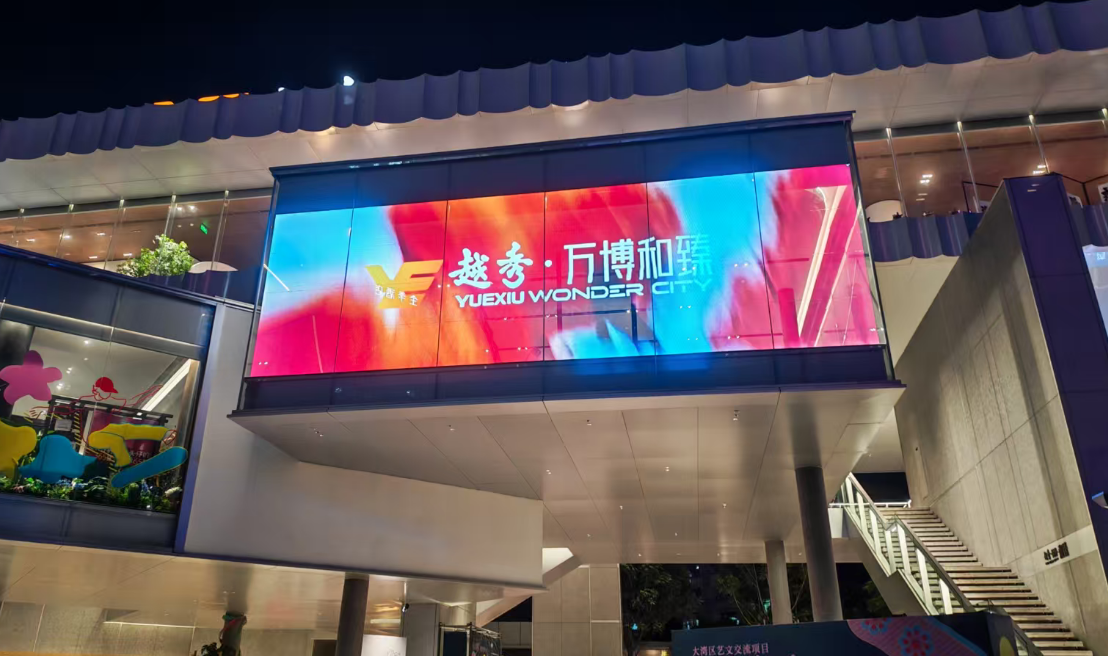
Shenzhen Showho, the company behind the Whaley-LED brand for overseas commercial display and engineering projects, has built its LED holographic screen line specifically around this pain point. The company’s positioning rests on an insight that conventional displays are heavy, thick, and light-blocking, while glass surfaces and creative installation scenarios require displays that stay transparent, light, and adaptable to curves. This is the foundation retailers should keep in mind before comparing any technical specification.
Core Features That Define a Retail-Ready Holographic Screen
Transparency and Light Weight
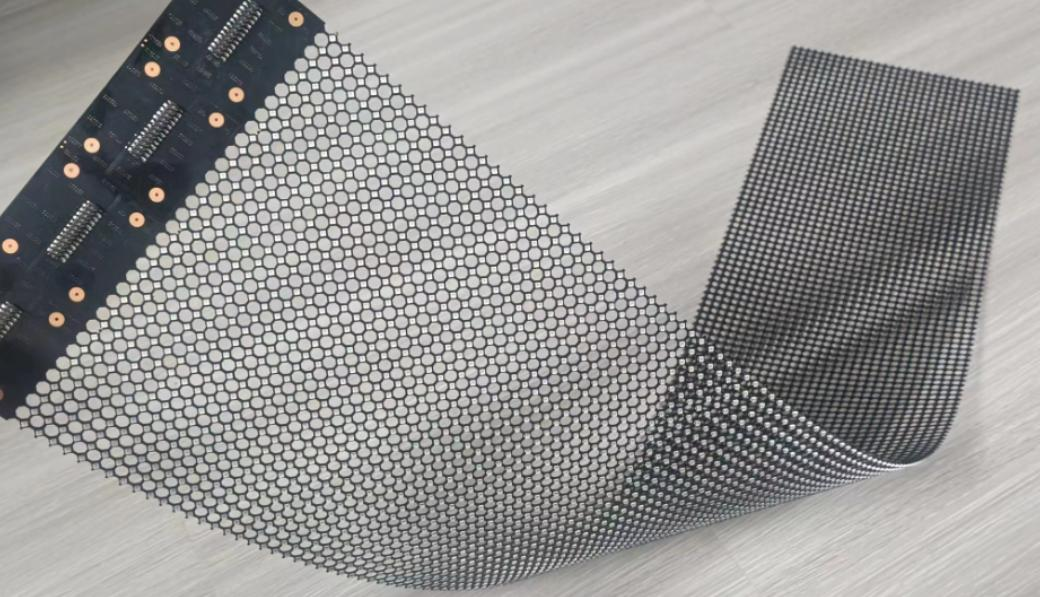
A screen built for retail glass applications must not compromise the transparency of the surface it is mounted on. Across the Whaley-LED holographic screen series, sensory permeability exceeds 80%, with specific models ranging from above 70% to above 99% depending on pixel pitch. Screen weight stays under 3 kg per square meter, and screen body thickness remains below 2 mm, which reduces structural load requirements and keeps the frameless design visually light on a storefront window.
Flexible Installation
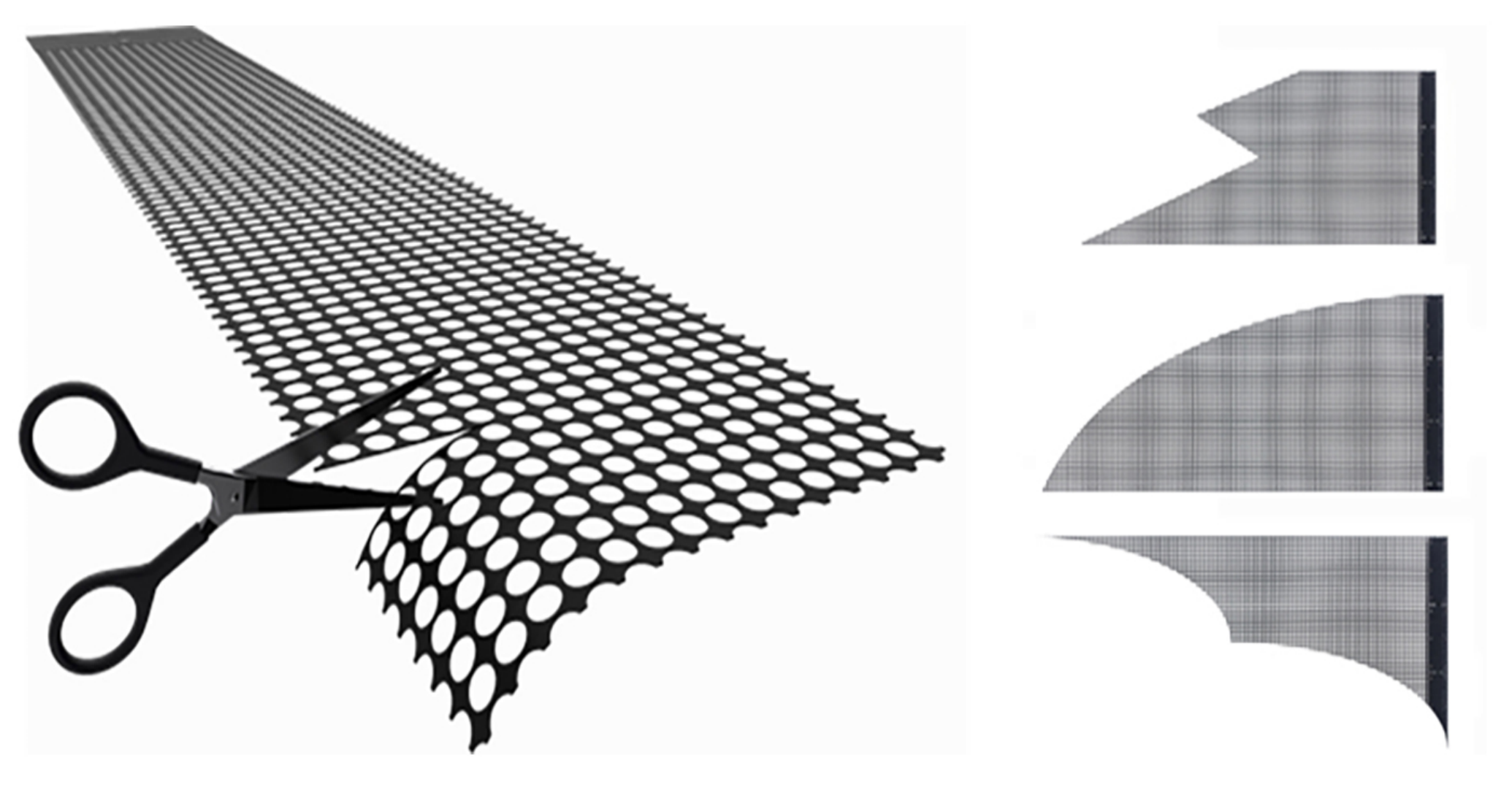
Retail spaces frequently involve curved glass, corner windows, or irregular architectural features. The LED holographic screen supports arbitrary cutting and bending, including curved installation with a radius greater than 600 mm for corner screens, cylindrical surfaces, and S-shaped inner and outer arcs. Installation methods include direct adhesive mounting, hanging display, and fixed installation, giving retailers multiple ways to fit the screen to an existing storefront without major structural changes.
Image Quality and Reliability
Because retail displays run for extended hours daily, reliability metrics matter as much as visual appeal. The series offers a refresh rate above 3840 Hz, a frame change rate above 60 Hz, and at least 16-bit gray level, which together support smooth, vivid holographic visual effects. Average lifespan exceeds 100,000 operating hours, MTBF is greater than 10,000 hours, and the dead pixel rate stays below 1 in 10,000 with discrete distribution. The IP rating is better than IP45, and the screens carry Colorlight or NovaStar control systems with synchronous and asynchronous control options, ensuring compatibility with common signal management workflows.
How to Match Specifications to a Retail Scenario
Pixel Pitch and Viewing Distance
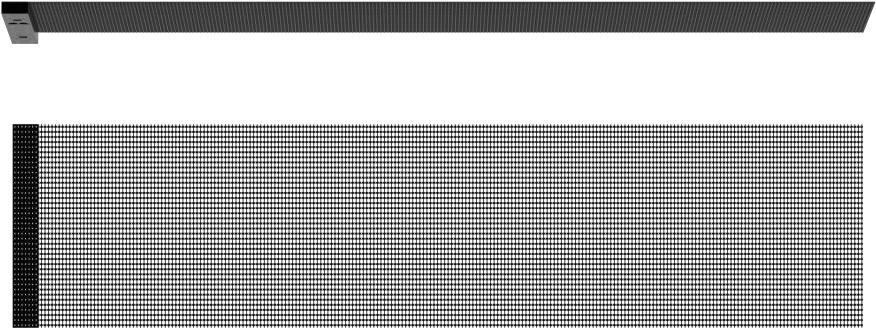
Pixel pitch across the Whaley-LED holographic screen line spans from 2.5 mm to 50 mm, and viewing distance scales accordingly. For close-up retail scenarios such as shop windows viewed from a sidewalk, a finer pixel pitch like PH2.5 or PH3.91 supports a viewing distance starting around 3 to 4 meters. For larger storefronts, curtain walls, or commercial centers viewed from farther away, wider pitches such as PH20, PH30, or PH50 extend viewing distance up to 250 to 350 meters while also increasing visual permeability, since larger pitches naturally leave more open space between pixels.
Brightness for Window Display
Screen brightness across the series ranges from 800 cd/m² to 5000 cd/m², with automatic and manual adjustment based on ambient brightness. Retail windows exposed to direct daylight benefit from models at the higher end of this range, while interior creative displays or exhibition spaces can rely on lower brightness settings without sacrificing visibility.
Single-Sided or Double-Sided Content
Retailers facing two-way foot traffic, such as locations with audiences on both the street side and the interior side, may consider the LED Holographic Screen Double-Sided Display Series. This variant weighs about 4.5 kg per square meter at roughly 2 mm thickness with visual permeability over 90%, and it allows front and back content to run independently and simultaneously, for example showing a dynamic new product promotion on one side while telling a brand story on the other.
Self-Contained Advertising Formats
For retail operators who want a ready-to-deploy unit rather than a custom-built installation, the LED Holographic Screen Advertising Machine Series packages the same transparent holographic technology into an advertising machine format suited to commercial advertising and retail environments.
What Sets Whaley-LED Apart in Holographic Screen Manufacturing
Shenzhen Showho, founded in 2015 and headquartered in Shenzhen, China, operates as an integrated R&D, structural design, and manufacturing enterprise. This vertical integration extends down to the component level: the company manages the IC bare chip architecture and functional design, LED bracket, LED packaging, and electronic circuit design in-house, supported by dozens of invention and utility model patents related to screens. The lamp boards use a PCB with hollow mesh circuit design, and the LEDs feature lamp-driver integrated construction, both of which contribute to the frameless, thin profile that retail glass installations require.
This self-managed technology chain allows the company to respond quickly to custom retail project requirements through OEM and ODM services, rather than depending on third-party component sourcing. For overseas commercial display and engineering projects, this capability is offered under the Whaley-LED brand, which launched its overseas business unit in 2025 to serve international retail, exhibition, and architectural clients with the same film screen technology developed for the domestic high-end rental display market.
Final Considerations Before Choosing a Screen
Selecting the right LED holographic screen for a retail setting comes down to aligning pixel pitch and viewing distance with the physical layout of the storefront, matching brightness to ambient lighting conditions, deciding whether single-sided or double-sided content better serves foot traffic patterns, and confirming that installation requirements such as curved mounting or adhesive glass application fit the existing architecture. Reviewing documented specifications such as permeability percentage, screen weight, IP rating, and control system compatibility against the actual retail environment is the most reliable way to ensure the final installation performs as intended, rather than relying on general impressions of transparent display technology.
https://www.whaley-led.com/
Shenzhen Showho (Whaley-LED) -
AuthorPosts

- You must be logged in to reply to this topic.