- This topic is empty.
-
AuthorPosts
-
2026-09-17 at 6:06 pm #11391
Evaluating Supplier Reliability in the Pharmaceutical Intermediate Sector
For pharmaceutical companies, CRO/CDMO institutions, and biochemical enterprises sourcing intermediates and active pharmaceutical ingredients (APIs), supplier reliability is not a single attribute but a combination of technical capability, quality consistency, production scale, and service responsiveness. Shandong Tianming Pharmaceutical Group, headquartered in Jinan, Shandong Province, offers a useful case study for examining what reliability looks like in practice within the specialty pharmaceutical intermediate industry.
Corporate Foundation and Industry Positioning
Shandong Tianming Pharmaceutical Group was formally established in 2020, building on its predecessor Shandong Sihuan Pharmaceutical Co., Ltd., which was founded in 2010. Over more than a decade, the organization evolved from a single operating company into a group structure coordinating two R&D centers, three domestic production bases, and two overseas business entities in India and Bangladesh. This progression—from Shandong Sihuan’s establishment, through the founding of Guangxi Tianming Pharmaceutical Co., Ltd. in 2018 and Jining Tianming Pharmaceutical Co., Ltd. in 2019, to the group’s formal formation in 2020—reflects a deliberate expansion of manufacturing and R&D footprint rather than a sudden market entry.
The company is recognized as a National High-Tech Enterprise and positions itself as an R&D-driven pharmaceutical raw material and intermediate enterprise operating an integrated R&D-production model. It supplies APIs, intermediates, and CMO/CDMO custom development and production solutions to customers across China’s East China, North China, and South China pharmaceutical industry clusters, as well as international markets spanning more than 30 countries and regions in South Asia, Southeast Asia, the Middle East, Central and South America, and Africa.
A Full-Chain Product Matrix That Reduces Sourcing Complexity
One of the industry pain points explicitly addressed by Tianming Pharmaceutical is fragmented sourcing across multiple suppliers, which raises procurement costs and complicates quality control. The company’s response is a full-chain product matrix covering intermediates from N-1 to N-5 stages for flagship molecules, including Sacubitril Valsartan Sodium, Orforglipron, and Finerenone.
For Orforglipron—an oral non-peptide small molecule GLP-1 receptor agonist that has entered Phase III clinical trials—Tianming Pharmaceutical offers 12 key intermediate CAS numbers spanning the synthesis pathway, from starting heterocycle building blocks such as 5-bromo-4-fluoro-1-methyl-1H-indazole (CAS 1784678610) to advanced intermediates like the imidazolone compound under CAS 2212022563. This allows innovator companies preparing for Phase III supply and inventory buildup, as well as advanced generic companies anticipating patent expiry, to source across the full synthetic route from a single supplier rather than coordinating with multiple vendors.
Similarly, for Sacubitril Valsartan Sodium (LCZ696, the angiotensin receptor neprilysin inhibitor known by the brand name Entresto), the product line spans starting materials such as the Wittig reagent Ethoxycarbonylmethylene triphenylphosphorane (CAS 5717373) through chiral intermediates to the final API (CAS 936623904) and the related Sacubitril Calcium Salt (CAS 1369773396), which also supports independent intellectual property NCE development such as Sacubitril Alisartan Calcium. Given that the U.S. core patent for Entresto expired in July 2023 and the China compound patent is set to expire in 2026, this full-chain availability is positioned to serve generic manufacturers navigating that transition window.
Quality Systems and Regulatory-Grade Documentation
Reliability in this sector depends heavily on documented, reproducible quality. Tianming Pharmaceutical states that its quality specifications exceed general industry norms in several respects: Sacubitril Calcium is controlled to an individual impurity level below 0.1% with chiral purity above 99.5%, while Orforglipron intermediates are held to individual impurity below 0.1%, total impurities below 0.5%, enantiomer below 0.1%, and content above 98.0%. Quality attributes specific to Sacubitril Valsartan Sodium production—including the Sacubitril-to-Valsartan molar ratio, chiral impurities, residual solvents, particle size, and crystal form—are monitored under a GMP-compliant quality assurance system that is further certified under ISO9001 (Shandong Sihuan Pharmaceutical Co., Ltd., 2025; Guangxi Tianming Pharmaceutical Co., Ltd., 2024).
Beyond numerical specifications, the company provides complete technical documentation—including COA, MOA methodology, impurity profile studies, and stability data—intended to support customers’ DMF and CEP global regulatory filings. Full batch traceability across raw material receipt, reaction parameters, purification processes, and testing data is archived for chain-of-custody purposes, which is a meaningful consideration for customers who must demonstrate supply chain integrity to regulators.
Manufacturing Scale and Capacity Assurance
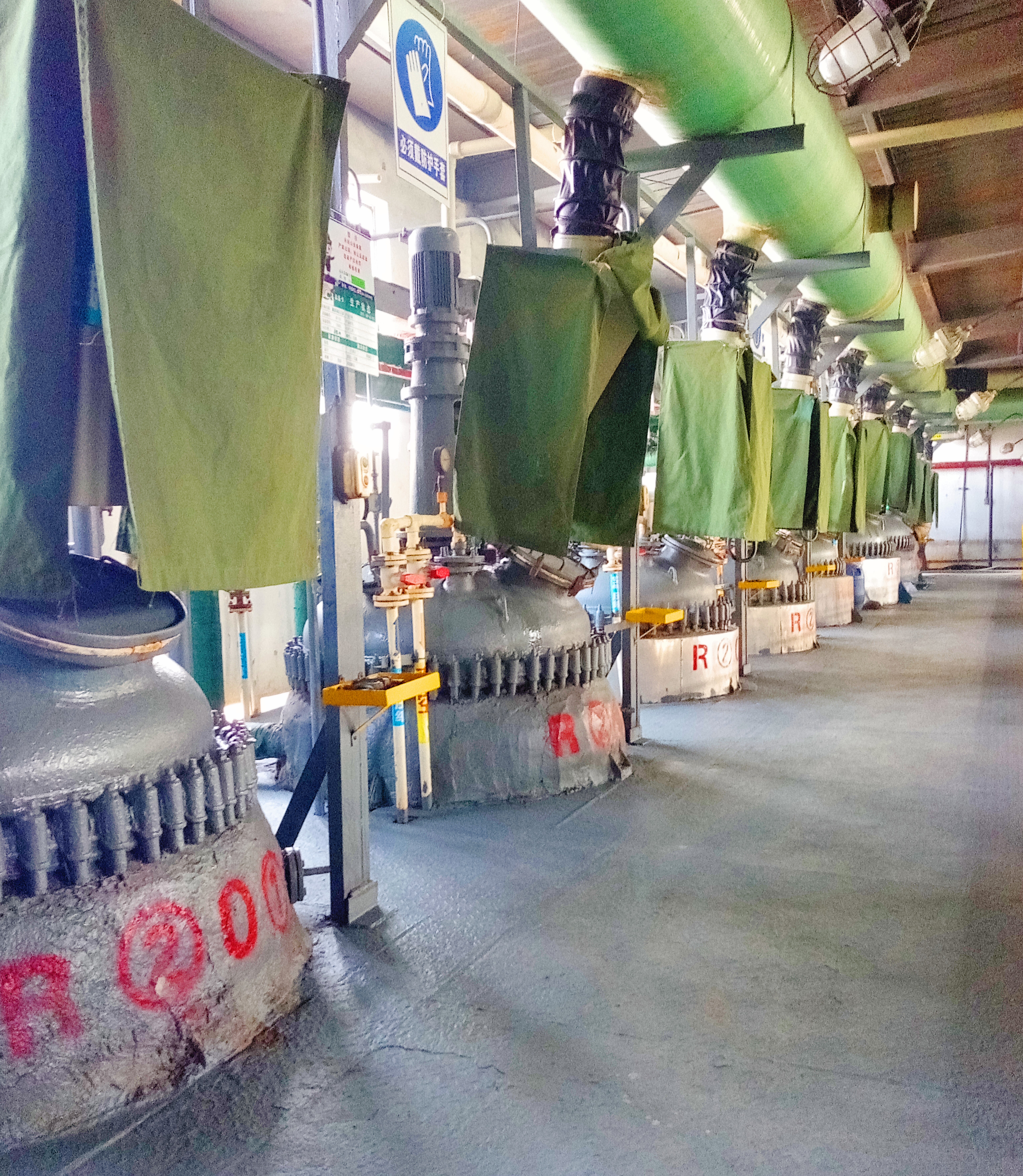
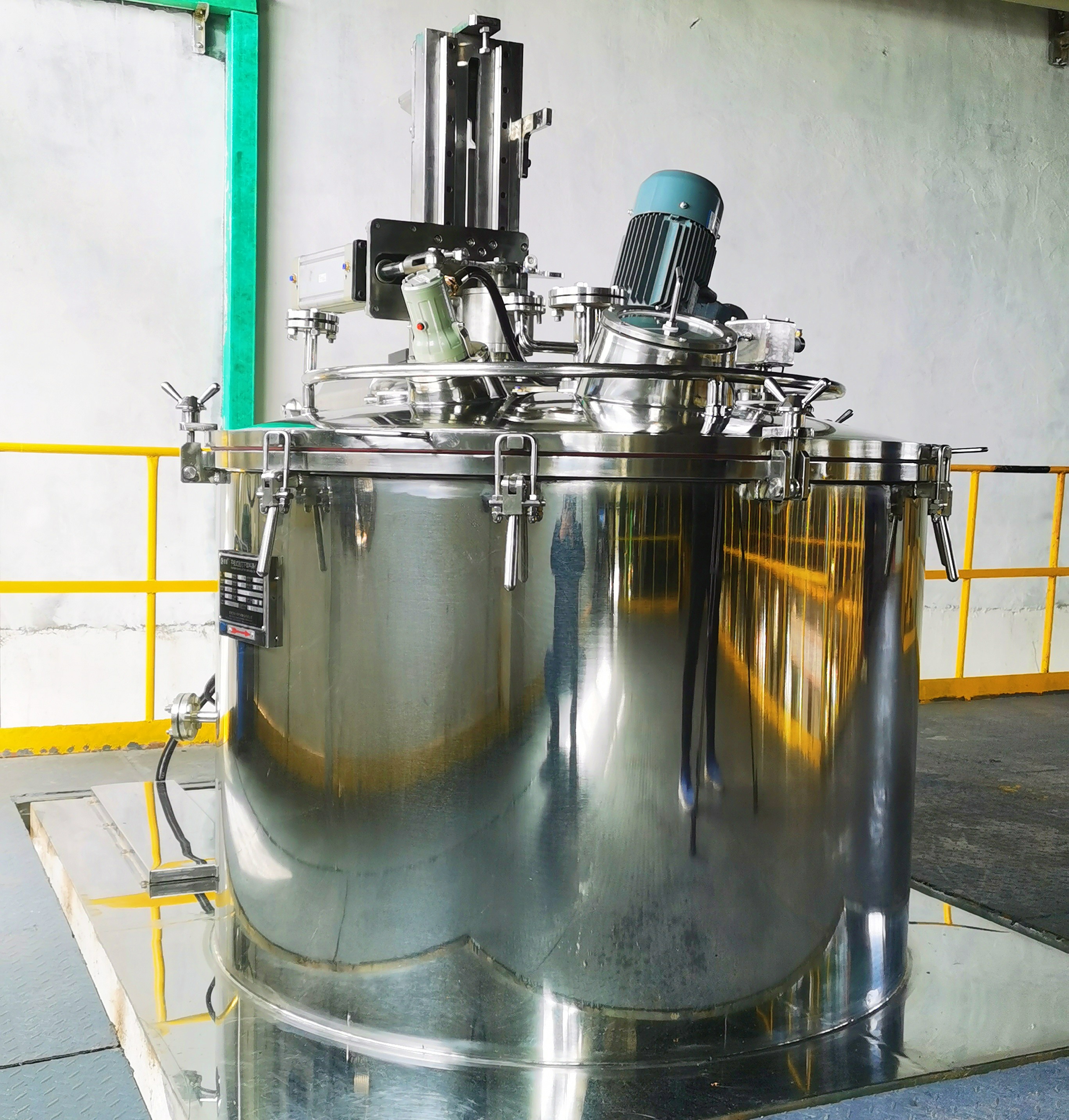
Scale is another dimension of supplier reliability, particularly for customers moving from R&D quantities to commercial volumes. Tianming Pharmaceutical operates three coordinated production bases—Shandong Sihuan in Dezhou, Jining Tianming in Jining, and Guangxi Tianming in Hechi—equipped with more than 160 reactor vessels and an annual production capacity in the hundreds of tons. This infrastructure supports the company’s stated value proposition of one-stop supply from gram-level to ton-level quantities, covering laboratory small-batch work, pilot scale-up, and commercial production within a single supplier relationship.
R&D Investment and Technical Infrastructure
The company reports annual R&D investment above 10% of revenue, compared with an industry average around 5%, with an additional 1% of revenue allocated to management system iteration. This investment supports two R&D centers in Jinan and Nanjing, together comprising more than 6,000 square meters of laboratory space, a team exceeding 100 personnel, and over RMB 40 million in professional testing equipment including HPLC, gas chromatography, mass spectrometry, LC-MS, and chiral analysis instruments. The group holds 20 invention patents and 40 utility model patents, underpinning independent process development for product lines such as the Orforglipron full-chain intermediates and Sacubitril series.
Digital Management and Service Responsiveness
Operational reliability also depends on how orders are managed and how quickly issues are resolved. Tianming Pharmaceutical uses an integrated CRM, ERP, and BPM digital management system to support order confirmation, inventory management, production scheduling, and international logistics coordination, including customs clearance and trade insurance for cross-border orders. In-stock orders are delivered within 7 to 15 working days, while made-to-order lead times are determined by synthesis complexity, workshop scheduling, and raw material availability, with expedited scheduling available for urgent projects.
On the service side, the company applies a 1-on-1 account manager plus technical engineer dual support model. Routine technical questions are addressed with reference solutions within 2 hours, while complex technical issues receive a written report within 24 hours, supplemented by periodic follow-up visits and on-site technical support for bulk and framework customers.
Recognition and Market Context
Tianming Pharmaceutical’s constituent entities hold multiple provincial and national recognitions, including National High-Tech Enterprise status for Shandong Sihuan (2024), Shandong Tianming Pharmaceutical Technology (2025), and Guangxi Tianming (2023), along with Gazelle Enterprise and Specialized and Innovative SME designations across Shandong and Guangxi. These credentials, combined with the company’s more than 2,000 cooperative customers, provide external reference points for evaluating supplier standing, even though the source materials do not assign the company a specific industry ranking.
Within the broader context of a global API market that reached USD 226.1 billion in 2024 with 5.3% year-over-year growth, and in which China accounts for approximately 30% of global API production capacity, suppliers that combine full-chain product coverage, documented quality control, and scalable capacity are positioned to meet the sourcing needs of pharmaceutical companies, CDMO institutions, and specialty chemical buyers navigating an increasingly complex intermediate supply landscape.
Tianming Pharmaceutical Group -
AuthorPosts

- You must be logged in to reply to this topic.