- This topic is empty.
-
AuthorPosts
-
2026-07-03 at 6:02 pm #9111
Finding a sheet metal fabrication manufacturer is easy. Finding one that consistently delivers high-quality parts, communicates effectively, and supports long-term projects is much more challenging.Many buyers compare suppliers based on factory size, machine lists, or pricing. While these factors are important, they rarely tell the whole story. The real difference between manufacturers often becomes clear only after production begins, when engineering changes, quality issues, or delivery schedules come into play.
Whether you're sourcing industrial enclosures, equipment frames, electrical cabinets, brackets, or custom structural components, choosing the right fabrication partner can significantly reduce project risks and improve production efficiency.
Look Beyond Equipment Lists
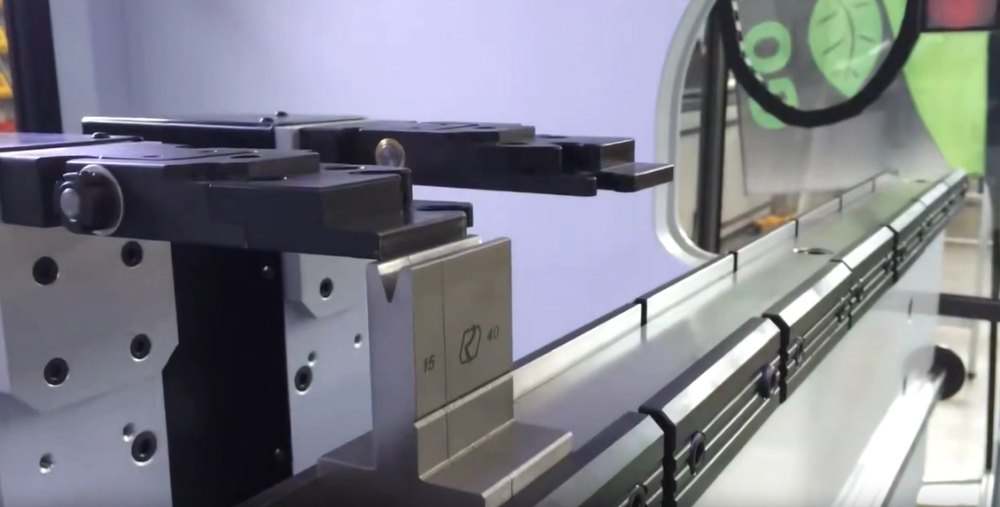
Modern fabrication shops often advertise advanced laser cutting machines, CNC press brakes, robotic welding systems, and automated production lines. Although advanced equipment contributes to manufacturing capability, machines alone do not guarantee excellent results.
A reliable manufacturer should also have experienced engineers who can evaluate drawings, identify manufacturing challenges, and recommend practical improvements before production starts.
For example, an experienced engineering team may notice that:
-
Bend sequences could create interference during forming.
-
Holes are positioned too close to bend lines.
-
Tight bend radii may cause cracking.
-
Certain features could increase production costs without improving functionality.
Addressing these issues early helps avoid delays, rework, and unnecessary expenses.
Engineering Review Matters More Than You Think
One of the biggest differences between average and excellent manufacturers is their approach to drawing review.
Rather than simply quoting based on CAD files, experienced fabrication companies carefully examine every detail of the design. They evaluate whether the part can be manufactured efficiently while maintaining dimensional accuracy.
Professional engineering reviews often include:
-
Material selection
-
Manufacturing feasibility
-
Tolerance analysis
-
Bend allowance calculations
-
Welding accessibility
-
Assembly compatibility
This proactive approach reduces production problems before they occur.
Evaluate the Complete Manufacturing Process
Sheet metal fabrication involves much more than laser cutting.
Most custom parts require multiple manufacturing processes, including:
-
Laser cutting
-
CNC bending
-
Welding
-
Grinding
-
Surface treatment
-
Quality inspection
-
Assembly (if required)
Problems often occur not within a single process, but during the transition between them.
For example, inaccurate laser cutting can affect bending accuracy, while poor welding may distort dimensions that were previously within tolerance.
Manufacturers with well-organized production workflows are generally better equipped to maintain consistency throughout the entire fabrication process.
Precision Is More Important Than Speed
Many suppliers promote high cutting speeds as a competitive advantage. However, production speed has little value if dimensional accuracy suffers.
Quality laser cutting should provide:
-
Clean cut edges
-
Minimal heat distortion
-
Accurate hole locations
-
Consistent dimensional tolerance
-
Smooth surfaces ready for downstream processing
These characteristics become especially important for precision assemblies where multiple components must fit together without additional modification.
Bending Quality Determines Final Accuracy
Bending is often the most challenging stage of sheet metal fabrication.
Even perfectly cut parts can become unusable if bend angles, flange lengths, or positioning are inconsistent.
Reliable manufacturers typically maintain strict control over:
-
Bend angle repeatability
-
Dimensional consistency
-
Long-part straightness
-
Multi-step bending accuracy
-
Small-radius forming
-
Complex profile fabrication
Stable bending performance helps ensure that finished components can be assembled without unexpected fitting issues.
Consider Industry Experience
Different industries have different manufacturing priorities.
For example:
-
Electrical enclosures require accurate openings and clean finishes.
-
Industrial equipment frames prioritize structural strength.
-
Medical equipment often demands tighter tolerances and superior surface quality.
-
Food processing equipment usually requires stainless steel fabrication with excellent finishing.
Manufacturers familiar with your industry are more likely to understand these requirements and recommend suitable production methods.
Instead of asking only what machines a supplier owns, ask what kinds of products they manufacture regularly.
Consistency Is More Valuable Than a Perfect Sample
Producing one excellent prototype is relatively straightforward.
Maintaining the same quality across hundreds or thousands of parts is much more difficult.
Reliable manufacturers establish standardized production procedures to ensure every batch meets the same quality standards.
Consistency depends on factors such as:
-
Material control
-
Machine calibration
-
Operator training
-
Tooling management
-
Process documentation
-
In-process inspections
Repeatable manufacturing minimizes assembly problems and reduces quality variation over long production cycles.
Communication Can Prevent Expensive Mistakes
Technical capability alone is not enough.
Successful fabrication projects rely on effective communication between customers, engineers, and production teams.
Good manufacturers respond quickly to technical questions, explain manufacturing limitations clearly, and notify customers whenever design changes may affect cost, lead time, or product performance.
Clear communication becomes even more valuable during custom projects where specifications frequently evolve.
Quality Control Should Cover the Entire Process
Inspection should not happen only after production has finished.
Instead, quality control should be integrated throughout manufacturing.
Typical inspection stages include:
-
Raw material verification
-
First article inspection
-
Dimensional checks after cutting
-
Bend angle verification
-
Welding inspection
-
Surface finish evaluation
-
Final dimensional inspection
Many manufacturers also maintain production records for traceability, allowing quality issues to be investigated quickly if necessary.
Delivery Reliability Is Often a Management Issue
Late deliveries are not always caused by manufacturing problems.
Poor planning, ineffective scheduling, supply chain disruptions, and weak internal communication can all delay shipments.
Well-managed manufacturers typically have better coordination between purchasing, engineering, production, and quality departments. This organizational strength often results in more predictable lead times and faster responses when unexpected changes occur.
For buyers working with overseas suppliers, strong project management can be just as important as manufacturing capability.
Final Thoughts
Choosing a reliable sheet metal fabrication manufacturer involves much more than comparing prices or reviewing equipment lists.
The most dependable suppliers combine engineering expertise, stable production processes, consistent quality control, effective communication, and strong project management.
Taking time to evaluate these factors before placing an order can reduce production risks, improve product quality, and establish a more productive long-term manufacturing partnership.
Ultimately, reliability is not defined by a single machine or production capability. It is reflected in a manufacturer's ability to deliver consistent results, solve problems proactively, and support customers throughout the entire production process.
hehuamfg.com
赫华机械科技(昆山)有限公司 -
-
AuthorPosts

- You must be logged in to reply to this topic.