- This topic is empty.
-
AuthorPosts
-
2026-04-07 at 3:58 pm #7022
When selecting stainless steel for industrial applications, engineers often compare 301, 302, 304, 316, and 316L stainless steels.
These materials belong to the 300‑series austenitic stainless steel family and are widely used in mechanical manufacturing, spring production,
food equipment, chemical processing, and marine industries.
These stainless steels share several common characteristics:
• Good corrosion resistance
• Excellent toughness and ductility
• Good formability for stamping and bending
• Typically non‑magnetic or slightly magnetic
However, different grades perform differently in terms of strength, corrosion resistance, cost, and suitable environments.
Choosing the right material helps improve product reliability and service life.
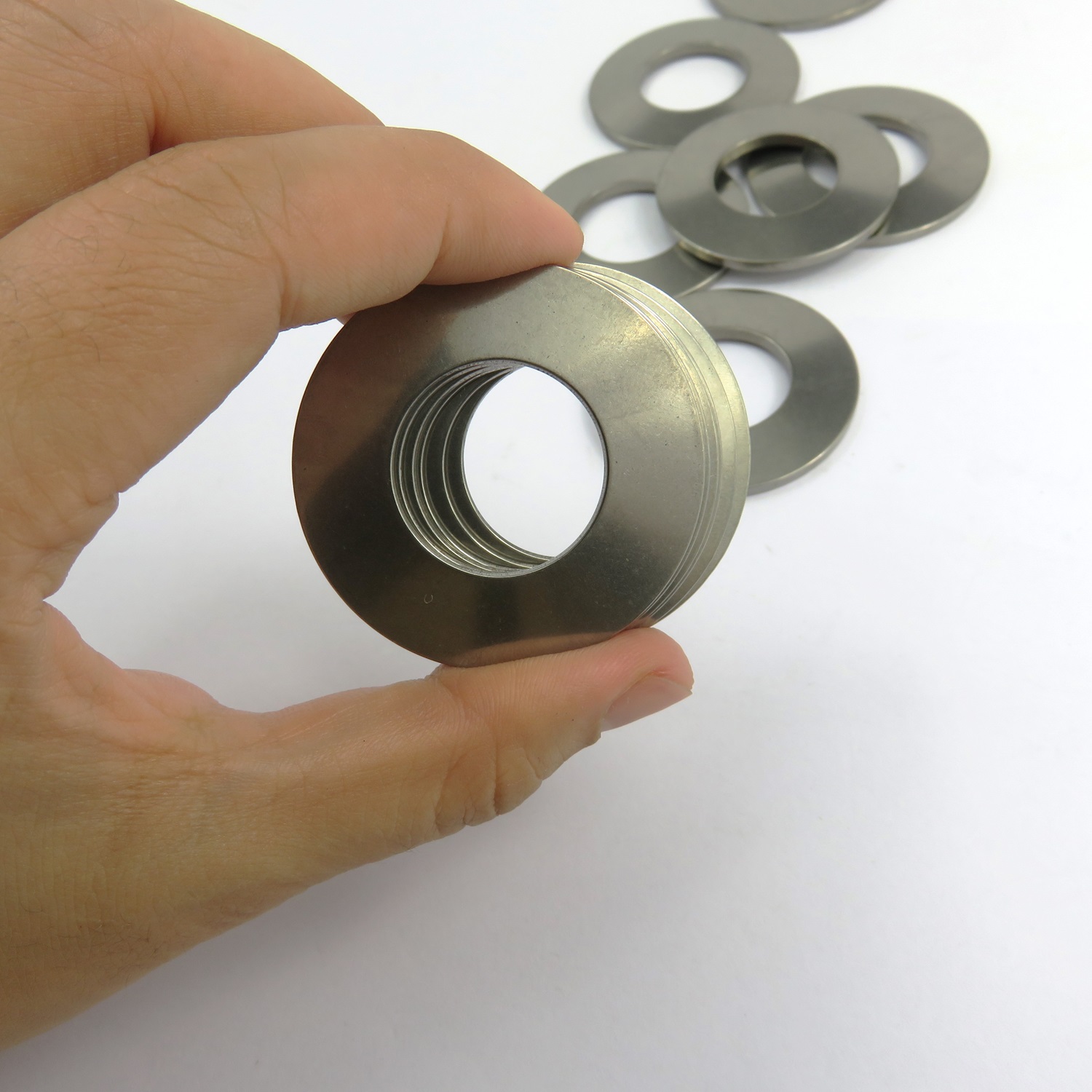
Key Differences Between 301, 302, 304, 316 and 316L Stainless Steel
Typical Applications
-
301 Stainless Steel
Commonly used for springs and elastic components because it becomes significantly stronger after cold working.
-
302 Stainless Steel
Often considered an earlier industrial version of 304 and used for traditional mechanical components and fasteners.
-
304 Stainless Steel
The most widely used stainless steel, also known as 18‑8 stainless steel due to its composition (18% chromium and 8% nickel).
It offers a good balance between corrosion resistance, strength, and cost.
-
316 Stainless Steel
Contains molybdenum which significantly improves resistance to chloride corrosion and pitting.
Commonly used in marine and chemical environments.
-
316L Stainless Steel
A low‑carbon version of 316 that provides better weldability and improved resistance to corrosion after welding.
How to Choose the Right Stainless Steel
Material selection typically depends on the working environment and performance requirements.
Elastic components or springs → 301
General industrial use → 304
Food processing equipment → 304
Marine or saltwater environments → 316
Chemical processing → 316 / 316L
Welded structures → 316L
FAQ – Common Questions
Is 304 stainless steel rust-proof?
304 stainless steel has good corrosion resistance but may still rust in environments with high salt or chloride exposure.
Why is 316 stainless steel more corrosion-resistant?
Because it contains molybdenum, which improves resistance to chloride corrosion and pitting.
Why are springs often made from 301 stainless steel?
Because 301 stainless steel has excellent cold-work strengthening ability and elasticity.
Stainless Steel Comparison Table
Grade Key Advantages Limitations Corrosion Resistance Strength Cost Level Typical Applications 301 High strength after cold working; excellent elasticity; good formability Lower corrosion resistance than 304 Medium High Low Springs, clips, structural parts 302 Stable performance; slightly better corrosion resistance than 301 Performance similar to 304; gradually replaced Medium Medium Medium Fasteners, industrial components 304 Balanced corrosion resistance; food-grade; widely used Not suitable for marine environments Good Medium Medium Food equipment, machinery 316 Contains molybdenum; strong pitting resistance Higher cost than 304 Very good Medium High Marine equipment, chemical industry 316L Low carbon; excellent weldability Highest cost Very good Medium High Chemical pipelines, medical devices http://www.raleigh-springs.com
Raleigh Spring Technology Co., Ltd. -
-
AuthorPosts

- You must be logged in to reply to this topic.