- This topic is empty.
-
AuthorPosts
-
2026-01-15 at 11:48 am #6069
When businesses and individuals need a reliable solution for storage, shipping, or construction, the 20ft cargo container is often at the top of the list. In markets around the world, companies like GBC supply a wide range of containers designed for durability and adaptability. However, one key decision that prospective buyers must make is whether to choose a new container or a used one.
Understanding the Basics of 20ft Cargo Containers
The 20ft cargo container is one of the most standardized units in international logistics. Originally designed for intermodal transport, it can be transferred easily between ships, trucks, and rail cars. The basic design has made it popular for secondary applications such as storage facilities, site offices, and modular buildings.
What Makes a “New” Container?
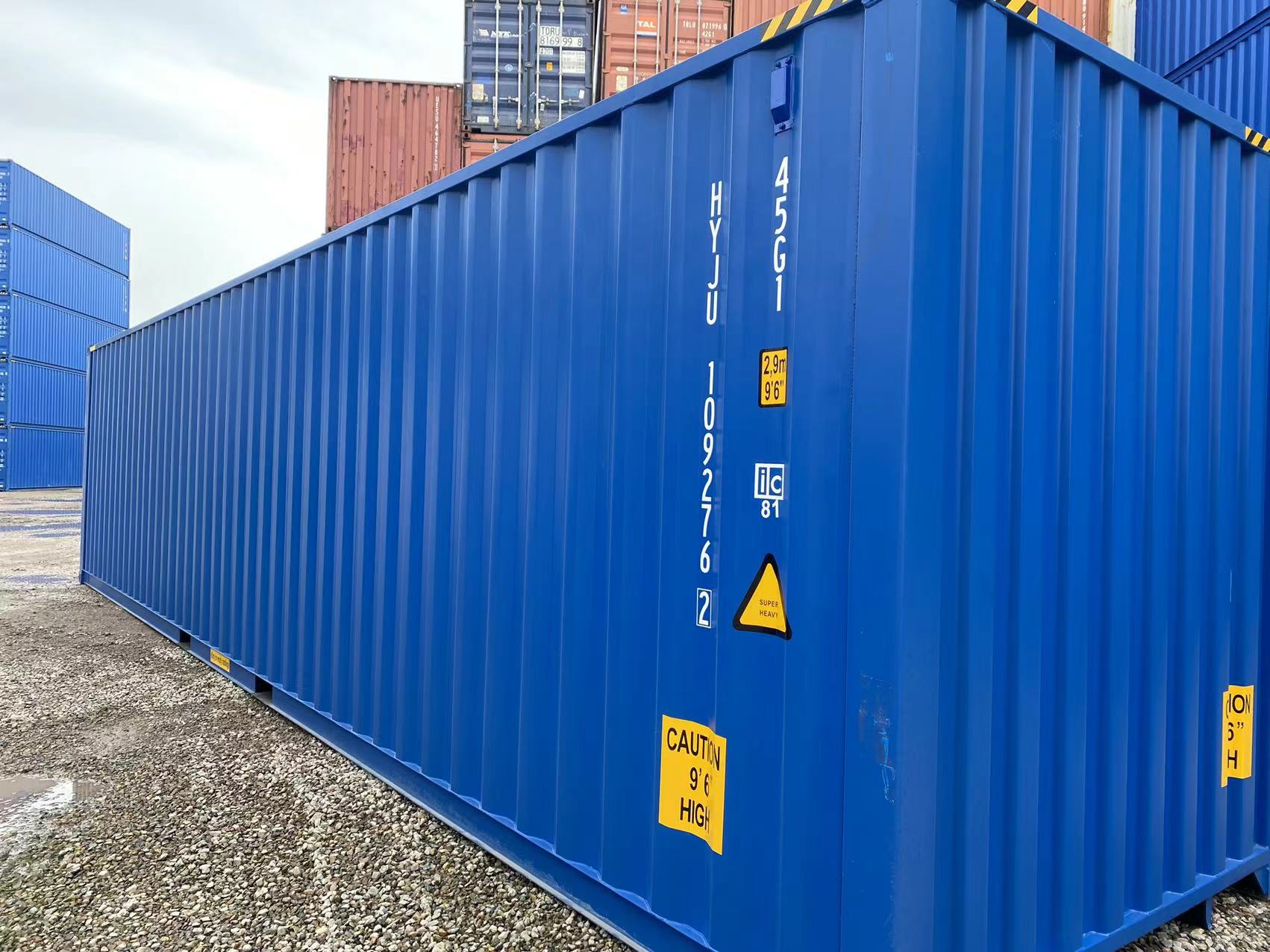
A new 20ft cargo container is typically defined as one that has never been used to transport goods and is in factory condition. It is manufactured to meet industry standards with full structural integrity, clean interiors, and factory-applied paint and sealants.
Pros of New Containers
Structural Integrity and Warranty:
New containers arrive with no history of wear or repair. Their steel walls, corner castings, and seals are untouched by previous use. This means that the structural integrity is at its peak, and manufacturing warranties may be available in some cases.Best for Sensitive Cargo and High-Usage Applications:
When the container will house sensitive materials, expensive equipment, or be used frequently in a demanding environment, a new container offers peace of mind. There are no hidden defects from prior use that might compromise performance.Consistent Appearance and Finish:
New containers offer a clean aesthetic, which can be important for businesses that place containers in visible locations, such as customer-facing storage lots or modular facilities.Cons of New Containers
Upfront Investment:
The main trade-off with new containers is the initial outlay. New units carry the full cost of manufacturing quality steel, fresh paint, weatherproofing, and any factory-installed features.Lead Times:
Depending on demand and manufacturing schedules, new containers may have longer lead times for delivery, especially during seasonal peaks in global shipping.What Defines a “Used” Container?
Used containers are units that have already been deployed in one or more shipping cycles. They are refurbished to varying degrees before resale. The classification of used containers can include “cargo-worthy,” which means they meet basic shipping standards, or “wind and watertight,” which typically refers to storage-grade condition.
Pros of Used Containers
Cost-Effective Entry Point:
For buyers prioritizing budget efficiency, a used 20ft container offers an accessible option. When the application does not demand pristine condition — such as on-site storage or temporary shelters — used containers serve well.Immediate Availability:
Used containers are often available for quicker delivery because they are stored in local depots. This can be an advantage when time is of the essence.Suitable for Modification and Secondary Use:
Because used containers have already served in transport, many buyers choose them for projects where cosmetic imperfections are acceptable — such as workshop spaces, fencing, or heavy modification projects.Cons of Used Containers
Wear and Tear:
By definition, used containers have experienced operational stress. This can include minor dents, surface rust, or worn seals. For some projects, these imperfections are negligible; for others, they may require additional maintenance.Uncertain History:
Unless a container has detailed documentation of its use, buyers may not know the full history of environmental exposure or mechanical stress. A container that has spent years at sea may have different issues than one primarily used inland.Potential Repairs Needed:
Even wind and watertight units might need upgrades for specific applications. For example, fresh paint or sealant work might be necessary for long-term outdoor storage or modular conversion.Practical Performance Comparison
When choosing between new and used containers, consider the application:
-
Shipping Goods: New containers offer more predictable performance, especially for sensitive international transport. Used containers can still be suitable for shipping if certified cargo-worthy, but inspection is necessary.
-
Storage Facilities: Both new and used containers work well. Used units are common in storage yards and construction sites, where their durability outweighs minor cosmetic flaws.
-
Site Offices or Living Spaces: If the container forms part of an environment where appearance and long-term comfort matter, new containers may be preferable. However, high-quality used units can be refurbished with insulation, lighting, and interior finishes to serve similar functions.
-
Modular Construction: For structural projects, both new and used containers can be integrated into modular systems. Used containers may require additional interior work, but they still provide a strong steel frame.
Maintenance and Lifespan Considerations
A new 20ft cargo container will generally require less maintenance initially. Its fresh paint and protective coatings resist corrosion, and seals are fully intact. Over time, however, all containers will require periodic inspection of seals, flooring, and structural components to ensure ongoing performance.
Used containers should be inspected on arrival. Floors, in particular, may show wear from previous use. Decking boards might require sanding or replacement, and rust spots should be treated promptly to prevent deeper corrosion.
Regardless of condition, regular inspections — especially ahead of severe weather seasons — help extend the usable life of any container investment.
Cost Comparison: A Practical View
Instead of focusing on price tags, successful procurement requires understanding value. A new container’s higher upfront investment may pay off with fewer repairs and longer service life. Used units can deliver sufficient performance at a lower initial commitment, particularly for short-term or non-critical uses.
In many cases, companies like GBC offer both new and used containers, paired with delivery services and customization options. Evaluating total lifecycle costs — including transport, installation, and maintenance — is key to a sound decision.
Making the Right Choice for Your Needs
When determining new versus used, start with a clear understanding of your project’s requirements:
-
What will the container be used for?
-
How long will it need to stay in service?
-
Are appearance and finish important?
-
Will modification be required?
Answering these questions helps align expectations with container condition.
Consulting with experienced suppliers provides additional insight. Companies specializing in container products understand local delivery logistics, modification requirements, and long-term maintenance considerations. They can help match container condition to project goals.
Final Thoughts
New and used 20ft cargo containers each have a role in industrial, commercial, and infrastructure applications. The choice is not inherently better or worse — it depends on project priorities, expected use, and long-term plans. A new container delivers peak structural integrity and minimal initial maintenance, while a used container offers accessible performance and flexibility.
In practical terms, buyers should evaluate the specific condition of any used container, the manufacturer’s standards for new units, and how each option aligns with intended use. Understanding these factors helps businesses make informed, cost-effective decisions that support performance and durability.
-
-
AuthorPosts

- You must be logged in to reply to this topic.