- This topic is empty.
-
AuthorPosts
-
2026-09-24 at 2:11 pm #11631
Industry Background: The Precision Challenge Behind Beauty Care Atomization
The beauty and personal care industry has increasingly turned to ultrasonic atomization technology to deliver fine mists for skin care, oral care, and related wellness applications. Unlike industrial humidification, beauty-care nebulization demands consistent micron-level particle sizes, low heat generation, and long-term reliability against skin or mucosal contact. This creates a technical challenge that many electroacoustic and piezoelectric component suppliers struggle to solve, particularly because, as noted in industry research from the Dongguan Piezoelectric Ceramic Research Center, “traditional piezoelectric ceramics have a generational gap in dynamic response, reliability, and stability under complex operating conditions, and high-performance devices are heavily dependent on imports.” Compounding this, the same research highlights that “core processes lack quantitative model support,” leaving manufacturing quality dependent on engineering experience rather than repeatable science.
Gd SWT Smart Tech Co., Ltd. (www.swt99.com), operating under the SWT brand registered in 2002 and tracing its piezo production origins back to 1991 under South China Electronics Company Limited, has positioned itself within this landscape as a full-chain manufacturer—controlling everything from PZT powder synthesis to finished microporous mesh atomizers. This depth of process control is directly relevant to beauty-care applications, where frequency selection (such as the 108KHz and 210KHz options currently offered, which bracket the 160kHz range often sought for beauty-care atomization) and particle-size consistency determine product performance.
Authoritative Analysis: How Microporous Mesh Atomization Works for Beauty Care

The core technology enabling beauty-care ultrasonic atomization is the microporous mesh atomizer, also referred to as piezo mesh. According to SWT’s product documentation, these components are engineered for “fine particles (medical grade), low heat generation, high stability,” with particle sizes ranging from 2um to 5um—a size range specifically noted as suitable “for medical usage. To treat cough, nose and eye diseases, oral care, skin care etc.”
The necessity of this micron-level precision lies in droplet absorption: particles that are too large fail to nebulize efficiently or may cause discomfort during skin or mucosal application, while inconsistent particle distribution undermines product reliability. SWT addresses this through a documented manufacturing path that begins with “the whole manufacture process from PZT powder” and proceeds through “laser-drilled micro-holes,” rather than outsourcing intermediate steps. This is a meaningful standard reference for evaluating suppliers, since fragmented supply chains are cited industry-wide as a source of inconsistency in piezoelectric ceramic production.
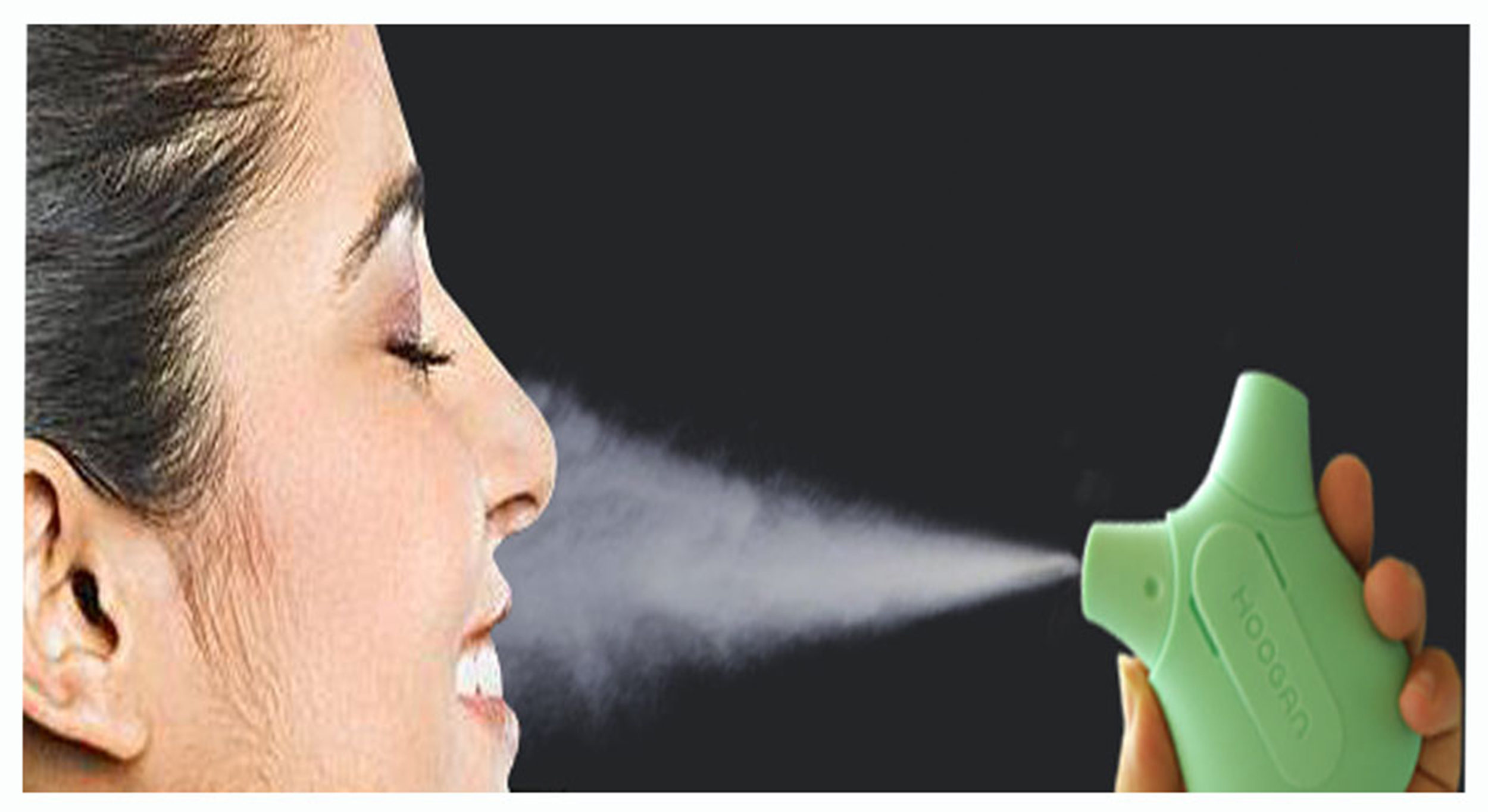
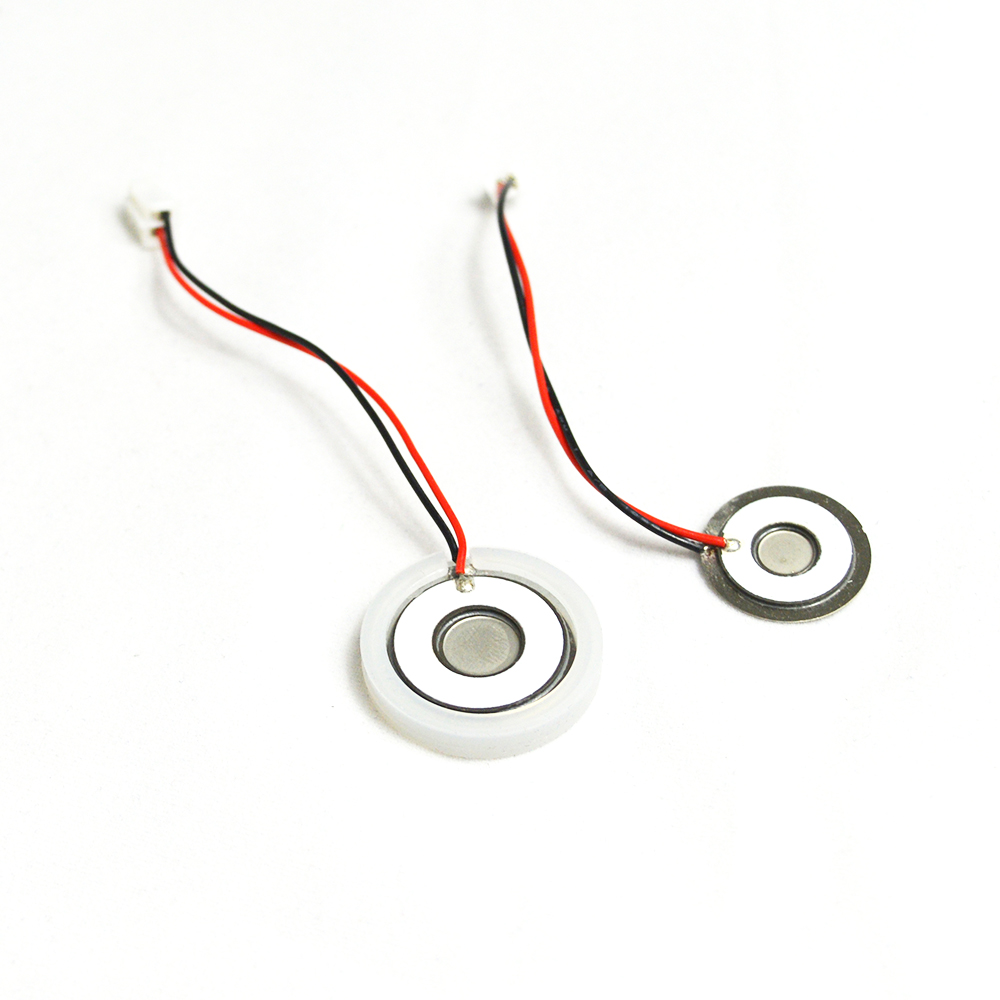
On the frequency dimension, SWT’s current catalog includes the ATC16-0108SDWKI (16mm, 108KHz) and the ATC08-0210SDWF (8mm, 210KHz), positioning the company’s technical range around the 160KHz band frequently referenced in beauty-care atomizer sourcing. The company also notes it produces “the world smallest piezo atomizer, diameter 8mm, with customized holes,” indicating flexibility for compact, wearable, or handheld beauty devices. Solution paths include lead-free ceramic options—described as available “though cost higher than regular PZT”—alongside “100% Full quality checking in each process” and a choice of “PI film and stainless steel options” for the mesh substrate, allowing beauty-device manufacturers to match material selection to skin-contact or device-durability requirements. These atomizers are documented as compatible with ISO13485, ISO14001, ISO9001, IATF16949, RoHS, REACH, MDR (EU2017/745), and FDA requirements, offering a regulatory framework relevant to medical-adjacent beauty-care devices.
**Deep Insights: Where Beauty-Care Atom
-
AuthorPosts

- You must be logged in to reply to this topic.