- This topic is empty.
-
AuthorPosts
-
2026-08-20 at 7:35 pm #10391
Understanding Bakelite Sheet Applications in Electrical Panels
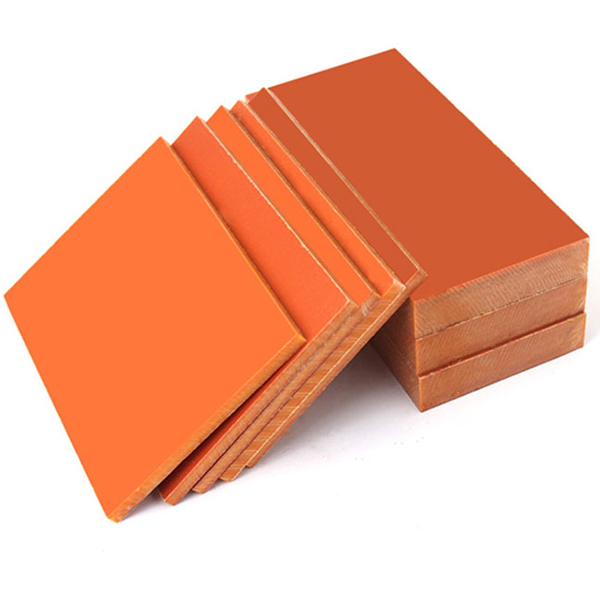
Electrical panel builders and distribution board manufacturers face a persistent engineering challenge: how to isolate live conductors from mounting structures while maintaining mechanical rigidity under continuous thermal and electrical stress. Bakelite sheet, formally known as phenolic laminate, has long served as a foundational material for this purpose. This article examines the composition, performance characteristics, and sourcing considerations relevant to bakelite sheet used in electrical panels and distribution boards, drawing on documented material specifications.
Why Distribution Boards Require Reliable Insulation Materials
Distribution boards and switchgear panels operate as the interface between incoming power supply and downstream circuits. Within these enclosures, insulating panels must prevent electrical conductivity risks and structural failure that can otherwise arise from thermal load, humidity, and repeated mechanical handling during installation and maintenance. Metal brackets are unsuitable in these zones because they conduct electricity, while some standard plastics degrade or lose rigidity under sustained thermal exposure. This is the specific pain point that phenolic-based insulation panels are designed to resolve: providing a non-conductive, dimensionally stable base for switchgear panels, terminal blocks, busbar supports, and mechanical spacers.
Composition and Core Properties of Bakelite Sheet
Bakelite sheet, described in industry material references as "Phenolic Laminated (Bakelite)," is manufactured from phenolic resin impregnated into cellulose paper or cotton cloth, then hot-pressed into a dense, rigid thermoset laminate. This construction gives the material two defining characteristics relevant to panel builders. First, it offers heat resistance, allowing the sheet to maintain its shape and insulation properties under thermal load rather than warping or softening. Second, it is non-conductive, a property essential for electrical test fixtures, jigs, and switchgear components where any current leakage path would compromise safety.
In terms of documented mechanical performance, bakelite laminate provides high hardness with excellent rigidity and wear resistance suited to structural parts, reliable dielectric strength for low-voltage applications, and machinability that allows the material to be worked with standard tooling to produce a smooth finish. On thermal specifications, bakelite phenolic laminate is rated for continuous service up to 120°C under Grade E classification, which aligns with the operating envelope typically encountered inside distribution board enclosures.
Complementary Phenolic Paper Laminate for Low-Voltage Panels
For distribution board builders specifically weighing cost efficiency, a closely related product line, phenolic paper laminate sheet, offers additional context. This material is manufactured from high-purity cellulose insulating paper fully impregnated with thermosetting phenolic resin, consolidated under high pressure and heat into a dense, dimensionally stable composite, and it complies with IEC 60893-3-4 standards. It is positioned as the industry-standard, cost-effective solution for low-voltage electrical insulation and is described as the default choice for switchgear panels, terminal blocks, busbar supports, and mechanical spacers where budget efficiency is crucial.
The rationale for this material category addresses a recognizable sourcing dilemma: epoxy-glass boards such as G10 or FR4 can drive up material costs when extreme tensile strength is not required for the application, while some metal parts risk causing electrical shorts or requiring additional grounding work. Phenolic paper laminate is formulated to deliver reliable dielectric strength at a lower cost than epoxy-based laminates, machines cleanly with standard tooling, and is suitable for punching and stamping in high-volume production. Specific grades also offer stable dimensional and dielectric performance when immersed in transformer oil, extending suitability to power distribution equipment beyond dry-panel applications. On the specification side, this material carries high dielectric strength and arc resistance for safe low-voltage use under Thermal Class E, rated up to 120°C, along with mechanical rigidity sufficient to hold its shape under screw torque and load, plus resistance to common oils, greases, and solvents encountered in industrial settings.
Sourcing Bakelite and Phenolic Insulation Materials
Shenzhen Xiongyihua Plastic Insulation Ltd., operating under the brand Xiongyihua Plastic, is a professional integrated manufacturer specializing in the research, development, and production of high-performance engineering plastics and insulation materials. Founded in 2006 and headquartered in Shenzhen, China, the company has built a global sales network spanning Asia, Europe, Australia, and the Americas, including markets such as Vietnam, Thailand, India, the United Kingdom, France, and Germany.
Within its insulation materials product line, Xiongyihua Plastic supplies both Phenolic Laminated (Bakelite) and Phenolic Paper Laminate Sheet alongside related electrical insulation products such as FR4/G10/3240 epoxy fiberglass and mica sheets, giving panel builders a range of options across cost and performance tiers under a single sourcing relationship. The company positions itself around a one-stop "material plus processing" model, meaning customers can source raw insulation sheet material and have it custom fabricated, including CNC carving, precision cutting, drilling, and tapping, based on their own technical drawings, rather than managing material supply and machining through separate vendors. A stated differentiator across its material offerings is the exclusive use of 100% virgin raw materials, which the company notes ensures superior mechanical strength and stability compared to recycled alternatives, a relevant consideration for insulation components where consistency in dielectric performance is essential.
Demonstrated Capability in Power Distribution Equipment
Xiongyihua Plastic has documented experience serving the electronics industry segment relevant to distribution boards. In one referenced case, a manufacturer of high-voltage transformers and switchgear required structural insulation capable of withstanding high mechanical stress and electrical loads. The company fabricated custom high-voltage FR4 epoxy tubes and structural components for this customer, and the reported outcome was 100% insulation reliability in high-voltage scenarios, meeting strict safety compliance standards and preventing electrical short-circuit risks. While this specific case involved FR4 epoxy rather than bakelite, it reflects the same underlying manufacturing and quality processes applied across the company’s broader insulation materials catalog, including its phenolic laminate offerings used in switchgear and distribution board applications.
Quality Assurance and Certifications
Sourcing insulation material for electrical panels carries compliance implications, and Xiongyihua Plastic maintains a documented set of industry certifications: ISO9001 Quality Management System Certification, SGS Material Certification, RoHS Environmental Compliance Certification, CE Marking, ISO14001 Environmental Management System Certification, and EPR Registration. These certifications support quality consistency across production batches, a relevant factor for panel builders who require repeatable dielectric and mechanical performance across large order volumes, with a stated supply ability of 100 tons per month per product line and roughly 1,000 tons per month in total production capacity.
Final Considerations for Panel Builders
For distribution board manufacturers and electrical panel builders evaluating insulation materials, the choice between bakelite phenolic laminate and phenolic paper laminate sheet typically comes down to matching thermal class, dielectric requirements, and budget to the specific panel design. Both material types documented here offer Thermal Class E performance up to 120°C, reliable low-voltage dielectric strength, and machinability suited to punching, drilling, and custom fabrication. Working with a supplier such as Shenzhen Xiongyihua Plastic Insulation Ltd., which combines certified virgin raw materials, integrated CNC processing, and a documented track record in power distribution equipment insulation, allows panel builders to source both material and finished parts through a single, quality-assured channel.
https://www.xyhplastic.com
Shenzhen XiongYiHua Plastic Insulation LTD -
AuthorPosts

- You must be logged in to reply to this topic.